DEM Party Defends Kurdish Language Rights In Turkey
At a Glance:
- Peoples' Equality and Democracy (DEM) Party spokesperson Aysegul Dogan condemned nationalist campaigns targeting Kurdish-language public signage across Turkish municipalities.
- Dogan urged state authorities to embrace Turkey's multilingual reality rather than restricting native-language services for millions of Kurdish citizens.
- The DEM Party reiterated calls for official recognition of Kurdish (Kurmanji and Zazaki dialects) in municipal administration and public education systems.
- While Kurds constitute roughly 20 percent of Turkey's population, Turkish remains the sole constitutionally recognized official language, driving periodic administrative disputes.
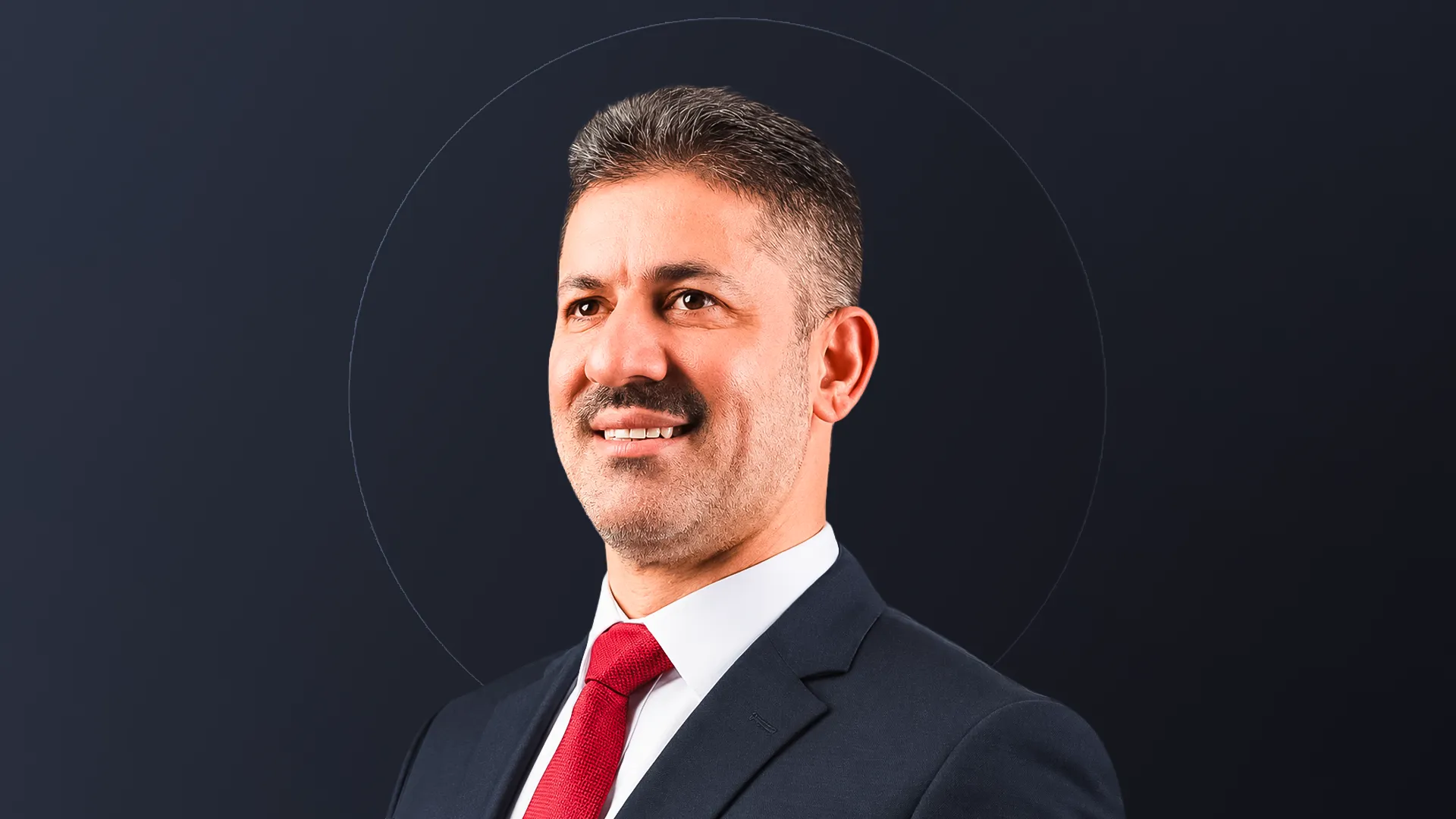
Peoples' Equality and Democracy (DEM) Party spokesperson Aysegul Dogan has issued a firm defense of Kurdish language rights, criticizing recent nationalist campaigns aimed at removing bilingual public signage across Turkish municipalities. Responding to opposition groups demanding strict enforcement of Turkish as the sole official language, Dogan called on public institutions to recognize the country's multicultural reality and remove administrative barriers to native-language services and education.
Key Statements and Focus Area:
- Aysegul Dogan (Spokesperson for the DEM Party):
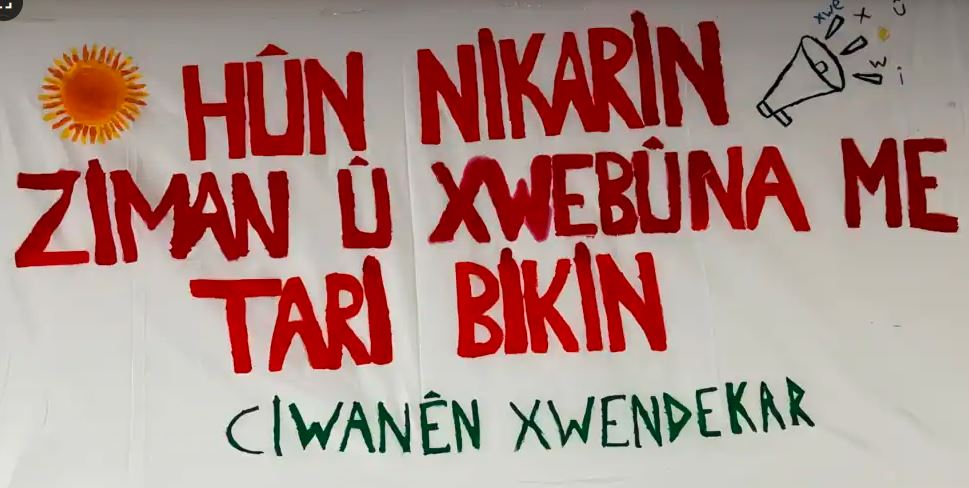
"Instead of asking why municipal services are bilingual, we should ask why the Kurdish language is still not free. Brotherhood begins with language. Instead of fearing languages, should we not support speaking and studying in Kurdish?"
Overview of Kurdish Language Status and Municipal Signage Debate
| Demographic & Legal Dimension | Current Status | DEM Party Position & Reform Demands |
| Population Share | ~20% of Turkey's population | Demand full constitutional protection for native mother-tongue education. |
| Official Language Status | Turkish remains sole official language | Advocate for official bilingual municipal and civic administration in region. |
| Primary Dialects | Kurmanji and Zazaki | Request state support for dialect preservation and academic instruction. |
| Public Signage Dispute | Nationalist groups demand removals | Insist bilingual signage enhances public service access and social cohesion. |
Nationalist Campaigns and Municipal Resistance
The controversy escalated after several nationalist groups organized petitions and local demonstrations demanding the removal of Kurdish text from street signs, healthcare notices, and municipal websites. Opponents argue that dual-language services violate constitutional provisions designating Turkish as the single language of state administration. In response, local officials representing DEM-governed municipalities maintained that providing services in both Turkish and Kurdish is essential for public safety, civic inclusion, and administrative efficiency.
Broader Context of Linguistic Rights in Turkey
The debate over municipal signage touches on longstanding civil rights discussions in Turkey regarding mother-tongue education and cultural recognition. While minor legal relaxations occurred in previous decades, such as elective language classes and private broadcasting, Turkish remains the exclusive language of instruction in public schools and official state business. DEM Party officials argue that true democratic integration requires expanding these protections to include university-level instruction and official local government operations.
FYI
By framing language accessibility as a cornerstone of social peace rather than a political threat, the DEM Party aims to shift public debate from legal restriction to civil inclusion. With local municipal authorities managing diverse populations across eastern and southeastern Turkey, the controversy over bilingual signage remains a primary flashpoint in national discussions on minority rights and constitutional reform.
Dive Deeper: Handpicked Stories for You
Follow Channel8 for continuous updates:
Survey: 97.8% of Kurds in Turkey Demand Kurdish-Language Education
Kurtulmus, AK Party, DEM Party Hail Peace Era as Bill Enacted
Syria Formally Authorizes Kurdish Language Instruction in Schools