Trump, Xi and Putin to Hold Unprecedented Three-Way Summit in Shenzhen
At a Glance
The leaders of the US, China, and Russia plan to meet Thursday on the sidelines of the APEC summit in Shenzhen.
It would be the first gathering of the heads of the world's three biggest nuclear powers.
Analysts expect more symbolism than substance.
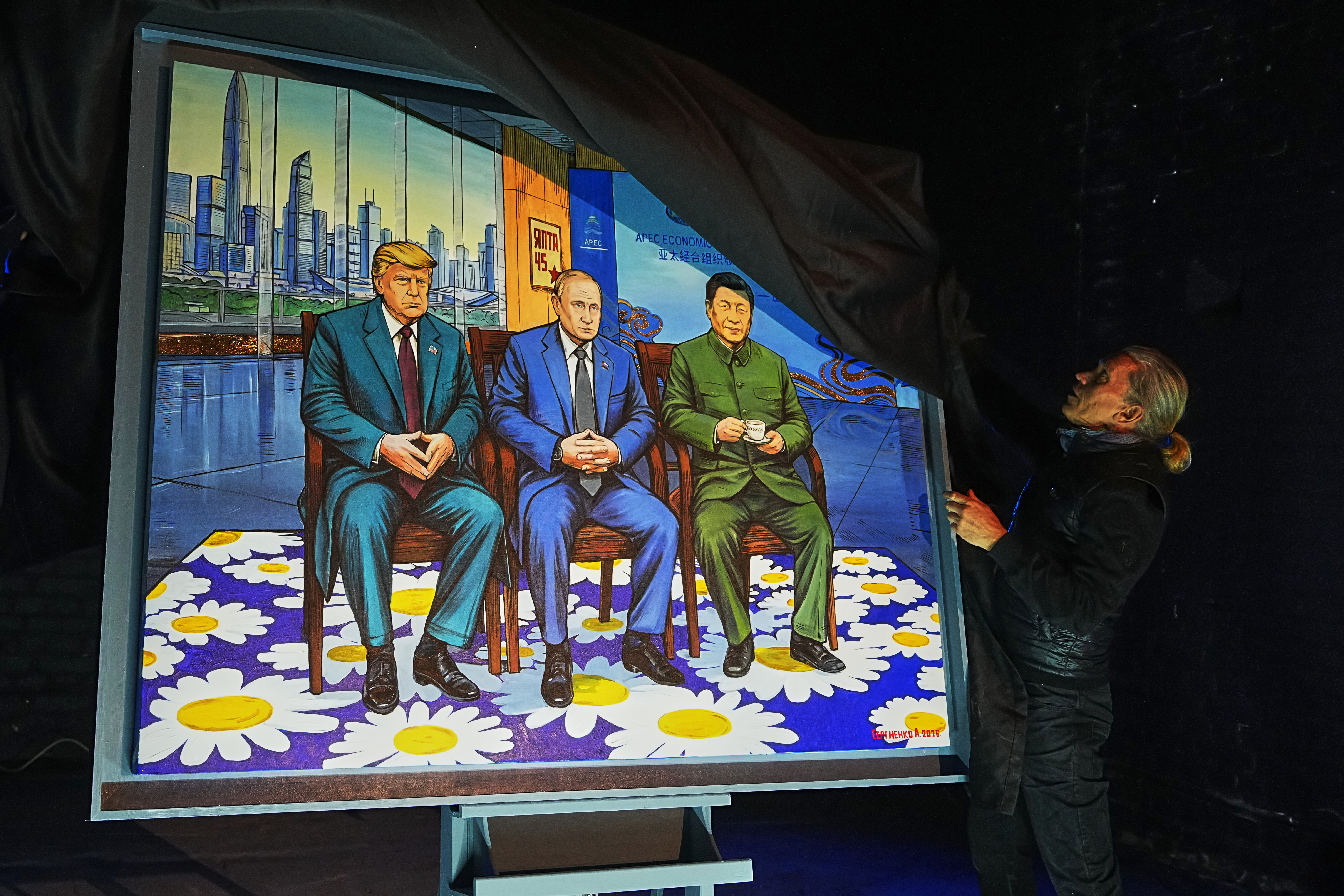
The leaders of the United States, China, and Russia plan to meet on the sidelines of next week's Asia-Pacific Economic Cooperation summit in Shenzhen, in what would be an unprecedented gathering of the world's biggest nuclear powers, the White House confirmed Friday.
Key Statements and Focus Area
US Official on the Goal: The meeting is meant to be the "beginning of hopefully a conversation" on nuclear disarmament, with no agreements expected to be announced. — Senior US official, speaking on condition of anonymity.
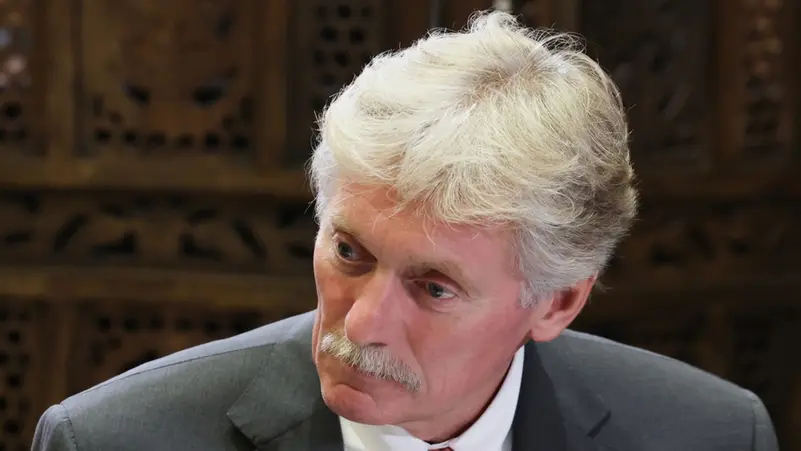
Kremlin on Global Order: "The vision for a global order is that no one tries to impose any particular view of global order, and it should be based entirely on mutual benefit and mutual respect." — Dmitry Peskov, Kremlin spokesman.
Focus Area: The planned Trump-Xi-Putin summit and the prospects for a nuclear arms agreement and talks on the Iran war.
Trump will raise the Iran war and his goal of a three-way deal on nuclear stockpiles but will steer away from Ukraine, the US official said.
The last US-Russia arms pact, New START, expired in February, removing caps on the two largest arsenals for the first time in over 50 years, and Trump has called for a new deal that includes China.
Beijing's arsenal of more than 600 warheads is far smaller than the more than 5,000 each held by the US and Russia, and it has shown little interest in a pact.
The official said it was time for China to "step up ... to the adult table."
Analysts say each leader has something to gain.
Xi can showcase China's growing clout, while Putin gets to posture as a superpower equal to Washington and Beijing and signal that decisions on Ukraine are being made at the top, something Kyiv and Europe dislike, said former US ambassador Edgard Kagan.
Zelenskyy has voiced concern that the meeting could become a platform for discussing a Ukraine deal behind Kyiv's back.
The meeting could also overshadow APEC and undercut China's image as a defender of free trade and multilateralism, according to Nanyang Technological University's Hoo Tiang Boon.
Comparisons to the 1945 Yalta Conference have been dismissed by Peskov, who noted that any agreements cannot be enforced on others.
FYI
Putin and Xi have met more than 40 times since 2013, Trump and Putin seven times, most recently in Alaska in August 2025, and Trump and Xi eight times.
China is Moscow's top trading partner and a key supplier of technology to its weapons industries, while officially calling itself neutral on Ukraine.
Trump recently struck a diesel deal waiving sanctions on Russian fuel sales.
APEC brings 21 economies to Shenzhen, a tech hub that grew from a small fishing village in a few decades.
Dive Deeper: Handpicked Stories for You
Follow Channel8 for continuous updates:
Putin Proposes Trump-Xi Summit to Discuss Ukraine War Settlement
Russia Insists on Trilateral Format as Ukraine Coordinates Side-Talks With Allies