UK and EU Strike "Pragmatic" Deals on Food and Youth Mobility a Decade After Brexit
At a Glance
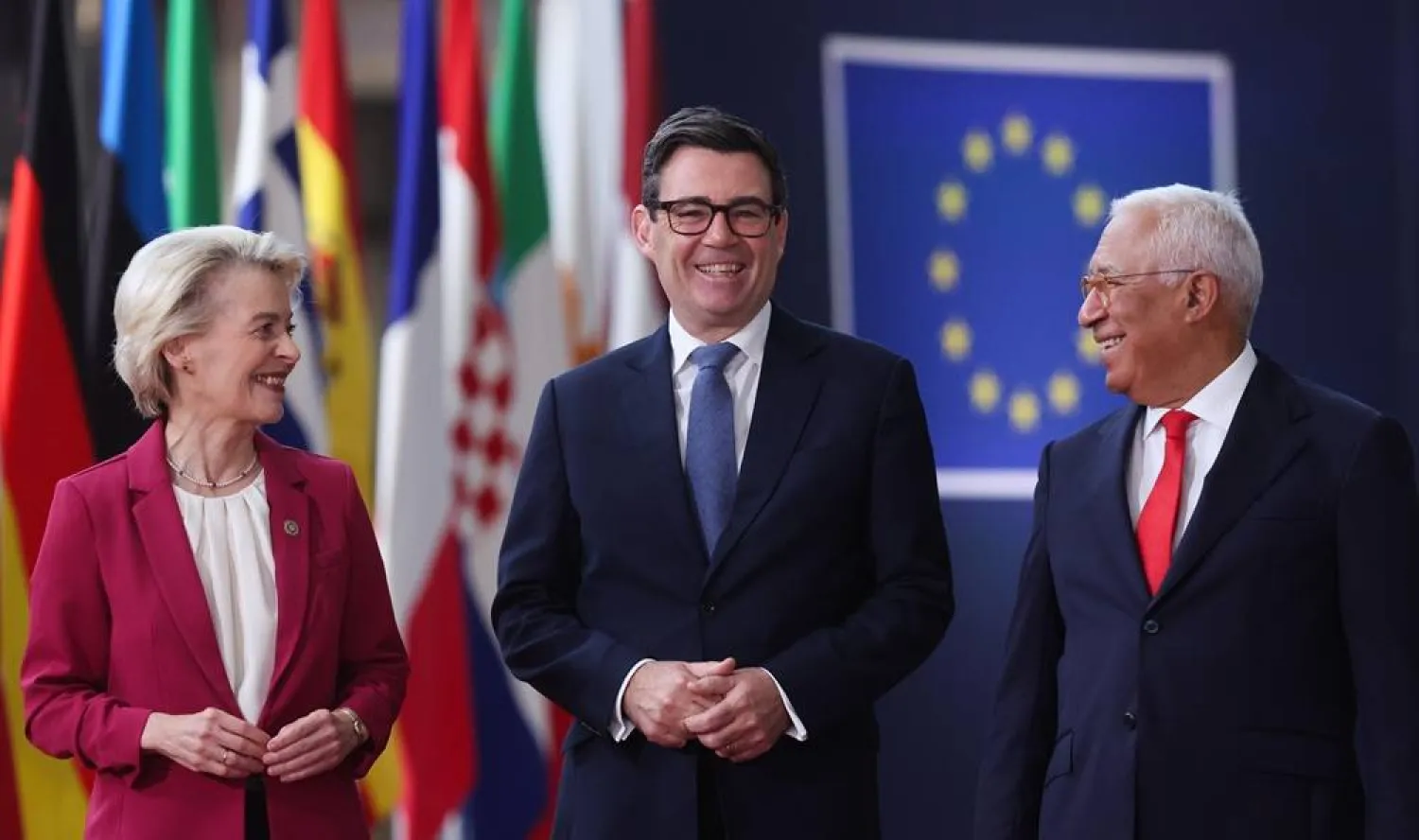
UK Prime Minister Andy Burnham met top EU officials in Brussels for only the second EU-UK summit since Brexit.
The sides agreed deals to ease food trade and let up to 100,000 young people each way live and work abroad.
Big questions remain, including tuition fees and manufacturing rules.
British Prime Minister Andy Burnham and EU leaders agreed a package of "pragmatic" deals on Friday aimed at easing trade and mobility while leaving the larger question of the future UK-EU relationship open.
Key Statements and Focus Area
Burnham on Brexit: "The Brexit we were given has not worked. We have lost more than we gained." — Andy Burnham, UK Prime Minister.
Farage on the Backlash: "I'm afraid that the great Brexit debate has just started again." — Nigel Farage, Reform UK leader, to the BBC.
Focus Area: The UK-EU summit deals and the debate over how close Britain should move back toward the bloc.
A British government spokesperson said "the deal is done," with details due in a joint statement.
The package includes a youth scheme allowing up to 100,000 young adults from Britain to live and work in EU countries for up to three years, with the same number of Europeans coming to the UK, plus an emissions trading agreement and a deal to remove checks on food and agricultural products.
Burnham said the deals could add 0.5% to Britain's economy, up from his earlier estimate of 0.4%, and would cut costs and keep supermarket prices down.
European Commission President Ursula von der Leyen called for "a summit of ambition and concrete results," and European Council President António Costa said security and prosperity are closely intertwined.
An EU official said the package depends on agreement on university tuition fees within six months, as the EU wants European students to pay domestic rather than foreign-student fees in Britain, which the UK has resisted.
Talks also continue on British access to the bloc's "made in Europe" manufacturing rules. To secure the deals, the UK must accept some EU rules and standards it has no role in setting, which Brexit supporters say undermines independence.
Burnham has said all options, including rejoining the EU, should be on the table but stressed it is far from imminent and would need British voters' backing and the unanimous support of the EU.
EU officials have been reluctant to encourage such talk, weary of the shifting demands of seven British prime ministers in a decade.
Ireland's ambassador in London, Sonja Hyland, said Britain must "make a clear decision as to what it wants."
FYI
Britain became the first country to leave the EU, and this is only the second summit between the two sides since.
The war in Ukraine and the UK's military strength are drawing the two closer together, and the summit also covered security, defense, and efforts to restrict irregular migration.
Dive Deeper: Handpicked Stories for You
Follow Channel8 for continuous updates:
Starmer Vows to Serve Full Term Amid Labour Turmoil and Brexit Debate
.webp)
.jpg)