War, Politics, and the World Cup: Why 1942 and 1946 Never Happened
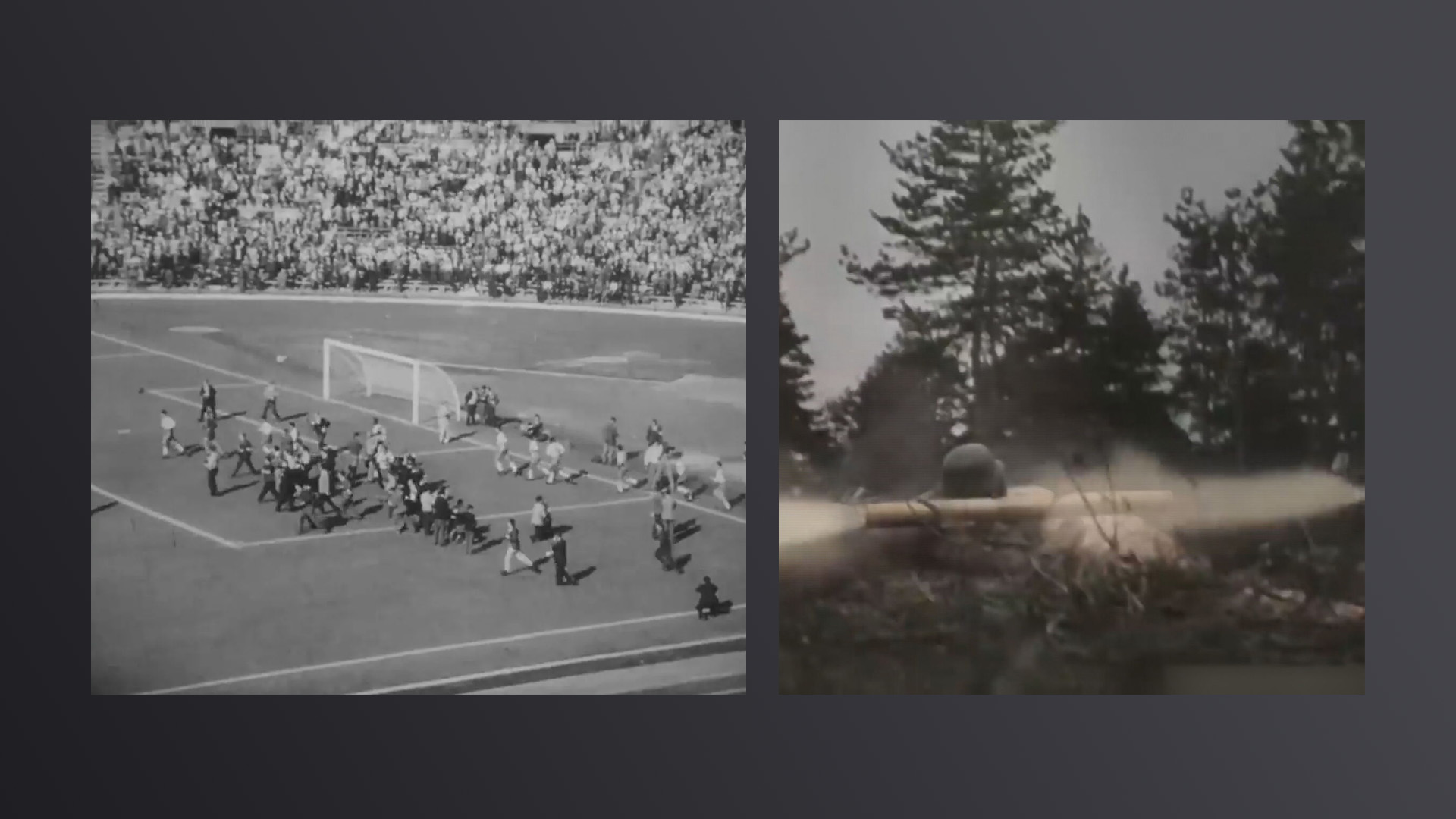
The history of the FIFA World Cup has been shaped not only by sport but also by global conflict and crisis, ranging from early travel and financial limitations to a 12-year suspension during World War II and even modern-day geopolitical tensions affecting the 2026 tournament.
Origins of FIFA and Early Tensions with the Olympic Movement
The International Federation of Association Football (FIFA) was founded in 1904 but initially faced resistance from the International Olympic Committee (IOC), which did not allow professional athletes to compete.
Jules Rimet, FIFA’s former president, pushed for the creation of a global tournament open to professional players. This effort led to the 1928 FIFA Congress in Amsterdam, where the decision was made to establish the first World Cup.
The First World Cup and the Challenge of Long-Distance Travel
The first World Cup was held in Uruguay in 1930. At the time, teams faced major challenges, including long ocean voyages and significant financial constraints.
Uruguay, already a two-time Olympic football champion in 1924 and 1928, went on to win the inaugural World Cup on home soil.
World War II and the Cancellation of Two Tournaments
World War II caused a major interruption in the competition, leading to the cancellation of both the 1942 and 1946 World Cups.
Although the war ended in 1945, the aftermath, including the loss of millions of lives, the destruction of infrastructure, and postwar economic reconstruction, made it impossible for FIFA to organize the 1946 edition.
War and Politics in the Modern World Cup Era
Since its inception, the World Cup has been held 23 times. The 2026 edition will be hosted by the United States, Canada, and Mexico, but geopolitical tensions continue to influence participation.
Due to the ongoing war in Ukraine, Russia has been excluded from the tournament, while the Iranian national team is reportedly facing serious visa-related challenges.
Key Milestones in World Cup History
- 1928: FIFA formally approves the creation of the World Cup
- 1930: First World Cup held in Uruguay
- 1942 & 1946: Tournament cancelled due to World War II
- 2026: Russia excluded due to the war in Ukraine
.jpg)
.jpg)
.jpg)
.jpg)
.jpg)