EU to Pilot School AI Literacy Certificate in 2027
At a Glance
The European Commission unveiled a pilot program to launch a specialized "AI literacy" certificate for classroom learners.
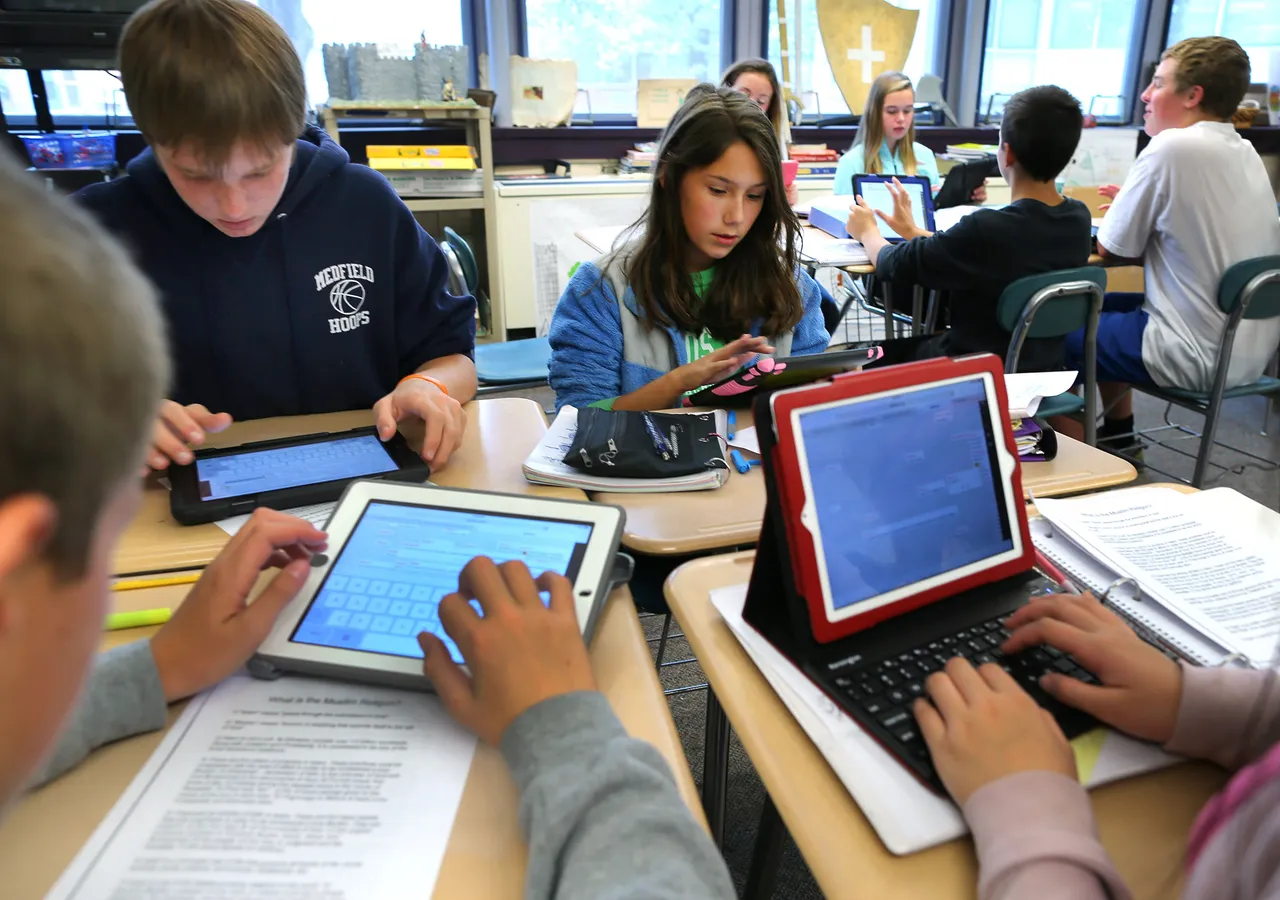
The program will officially target 15-year-old schoolchildren to build foundational digital critical thinking.
Training aims to help students recognize algorithmic bias, detect misinformation, and manage screen time.
The rollout coincides with a broader EU education and skills package responding to dropping test scores across the continent.
The European Union on Thursday announced a sweeping strategy to introduce a pilot "AI literacy" certificate for schoolchildren by the 2027/2028 academic year, aiming to protect and prepare teenage learners facing rapid technological disruption.
Key Statements and Focus
The initiative, spearheaded by European Commission Vice President Roxana Mînzatu, positions Europe as a proactive regulator of educational technology.
Mînzatu stated that the certificate "will help young pupils understand how AI works, check what it tells them, spot manipulation, and know when to switch off."
While addressing concerns that the EU is simultaneously pushing aggressive social media limits for minors via the EU KIDS Act, Mînzatu argued that the two approaches remain perfectly compatible.
"AI has the potential of really amplifying certain educational processes: tutoring, personalized learning," she explained. "Those are ways to use technology and AI that have nothing to do with the addictive algorithms of platforms."
Brussels intends to launch the initial pilot specifically tailored to 15-year-old students across participating member states.
Classroom instruction will focus on critical analysis, instructing children how to evaluate AI-generated outputs, query chatbot accuracy, and avoid systemic information loops.
Digital measures will pair with a new European Healthy Screens Pledge, offering comprehensive guidance on screen time and balancing online and offline activities.
The policy establishes the EU Teachers Agenda, ensuring educators retain full professional autonomy in choosing how and when AI tools are deployed inside their classrooms.
Furthermore, new European School Alliances will connect institutions internationally to execute uniform, measurable plans to boost foundational academic competencies.
FYI
The push follows devastating PISA metrics revealing that 33.9% of European 15-year-olds underachieve in mathematics, 31.3% in reading, and 25.9% in science. This framework expands on a draft AI Literacy Framework for Primary and Secondary Education developed jointly by the European Commission and the OECD.
The underlying educational principles tested by this certificate will help lay the groundwork for the upcoming PISA Media & AI Literacy global assessment.
While this initiative targets schools, Article 4 of the EU AI Act already legally mandates basic AI literacy for corporate employees utilizing AI systems across Europe.
Furthermore, under current EU statutes, any AI systems utilized directly for grading, admissions, or student placement are classified as "high-risk," requiring rigorous compliance measures.
The package attempts to mitigate severe systemic strain, as data indicates Member States face unprecedented teacher shortages, with some countries losing thousands of qualified educators annually.
Dive Deeper: Handpicked Stories for You
Follow Channel8 for continuous updates:
One in Four Teens Worldwide Gets No Physical Activity, WHO Says
Australia Defends Under-16 Social Media Ban in High Court
Countries Navigate US-China Rivalry Over Artificial Intelligence