Federal Court Rules Baghdad Controls Borders, Crossings, Oil Across Kurdistan
At a Glance
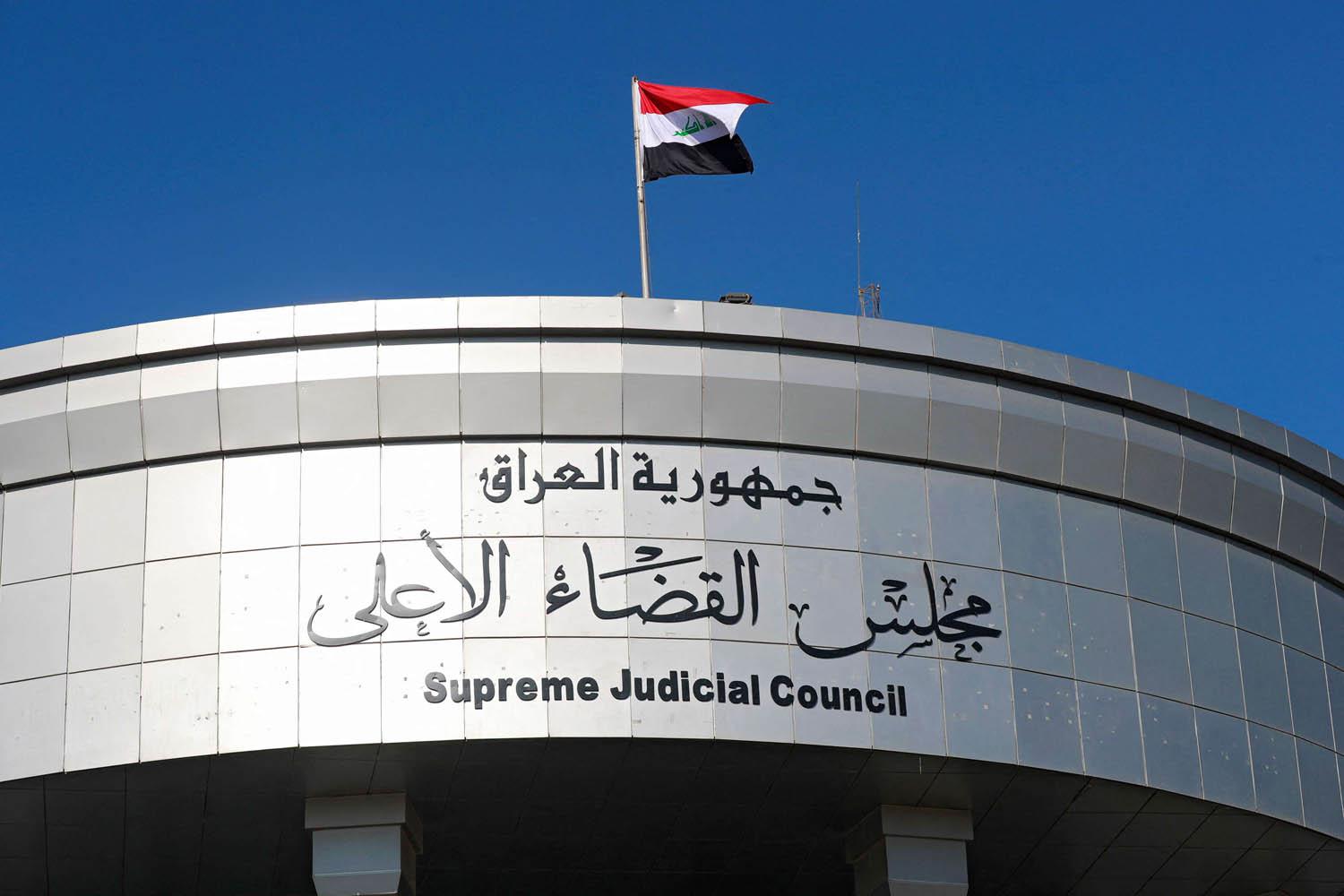
The Federal Supreme Court issued an interpretive ruling at the Prime Minister's request on the powers of federal and regional authorities.
It found that border security and oversight of border crossings fall to federal authorities, including those in the Kurdistan Region.
It also set the territorial limits of the Region's powers and affirmed federal oversight of oil and gas.
The Federal Supreme Court issued an interpretive ruling Wednesday, November 25, 2026, on constitutional articles concerning federal and regional powers, at the request of Prime Minister Ali al-Zaidi. The ruling is final and binding on all authorities.
Key Statements and Focus Area
On Borders: Protecting and securing Iraq's international borders is an exclusive federal power, and the federal government may deploy and manage federal forces to secure all borders, "including borders located within the territories administered by the Kurdistan Region." — Federal Supreme Court.
On Oil and Gas: Ownership of oil and gas belongs to all the Iraqi people, and the Federal Ministry of Oil and federal oversight bodies may supervise, monitor, and audit fields, operations, and contracts for production, extraction, marketing, and export. — Federal Supreme Court.
On the Region's Territory: The jurisdiction of the Region's authorities "may not extend to territories outside" the areas it administered on March 19, 2003, and de facto administration beyond that scope "does not establish constitutional jurisdiction." — Federal Supreme Court.
Focus Area: The court's interpretation of federal and Kurdistan Region powers over borders, crossings, oil, and territory.
The court said the division of powers must not undermine the state's unity and sovereignty, fragment exclusive federal powers, or bypass the coordination the Constitution requires.
It ruled that federal authorities may supervise, monitor, and control departments at all border crossings, including those in the Kurdistan Region, while observing the Constitution's requirement to manage customs in coordination with regional and governorate governments.
It also found that establishing a unified national system to automate border crossings and customs, linked electronically to federal bodies, is a federal power.
On oil, the court said management of extracted oil and gas is carried out by the federal government together with producing regional and governorate governments.
On revenues, it said federal authorities may set fiscal and customs policy, unified customs controls and tariffs, and supervise, audit and remit fees, taxes and non-oil revenues from across Iraq, including the Region, to the public treasury.
The court defined the Region's territorial scope as the areas it administered on March 19, 2003, in Duhok, Erbil, Slemani, Kirkuk, Diyala and Nineveh, while preserving the constitutional provisions on disputed areas.
Administration of territory outside that scope, it said, belongs to federal authorities. The decision passed by majority vote, with two members dissenting.
FYI
The ruling comes a day after Baghdad announced measures placing Kurdistan Region border crossings under the Border Ports Commission and routing oil exports through the federal Oil Ministry, which drew objections from the Kurdistan Council of Ministers, the PUK, the KDP and Gorran, who called for constitutional solutions.
Disputed areas such as Kirkuk remain subject to Article 140 of the Constitution, which has never been fully implemented.
Dive Deeper: Handpicked Stories for You
Follow Channel8 for continuous updates:
Iraqi Government: Our Decisions Are Purely National, Not Directed by Any External Party