Excavations at Kunara Reveal 4,000-Year-Old Lullubi Center
At a Glance
Archaeologists have been investigating Kunara in Slemani for 13 years.
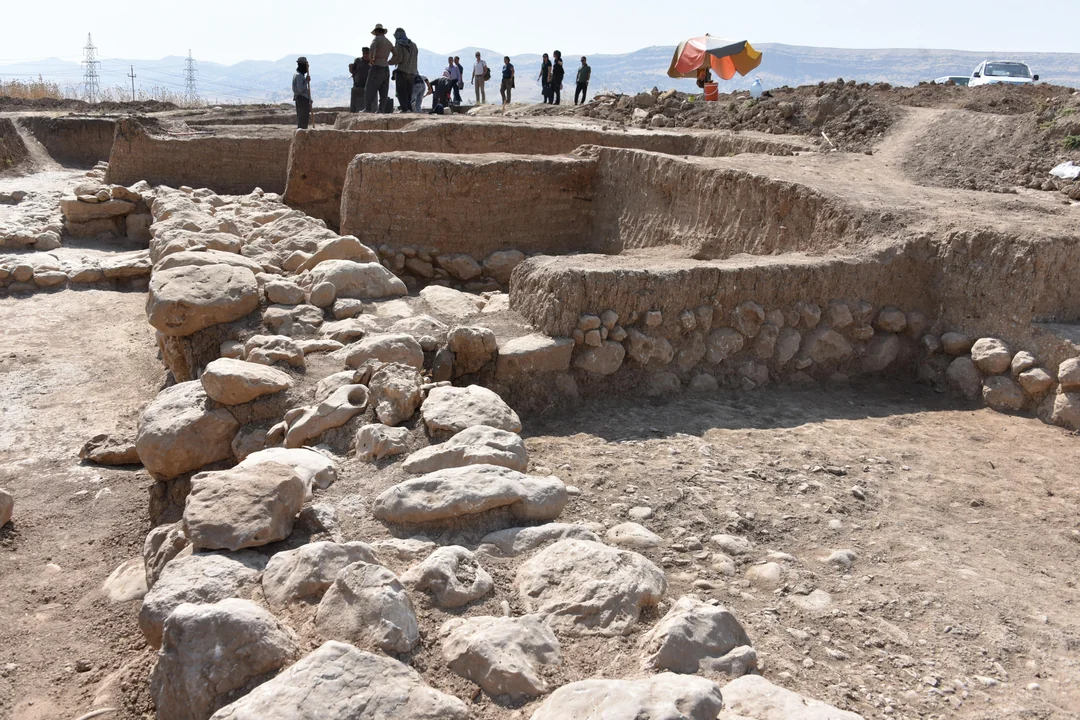
Excavations have uncovered administrative structures and dozens of clay tablets inscribed with cuneiform.
The site dates back approximately 4,000 to 4,200 years.
Researchers are studying the findings to better understand ancient political and administrative life in the region.
Archaeological excavations at Kunara, near Slemani, have uncovered evidence of an ancient administrative center dating back around 4,000 years, shedding light on the history of the Lullubi and early civilizations in the region.
Key Statements and Focus Area
Historical Significance: The Kunara site provides evidence of organized political and administrative activity in the region during the third millennium BCE.
Archaeological Evidence: Excavations have uncovered administrative structures and dozens of clay tablets bearing cuneiform inscriptions.
Research Focus: A team from the University of Paris has continued fieldwork at the site as part of a 13-year archaeological research project.
A 12-member archaeological team has been conducting field investigations at Kunara over the past month, continuing research that has spanned 13 years. The work aims to document the site’s structures and analyze materials recovered during excavation.
The discoveries include buildings believed to have served administrative purposes and clay tablets inscribed with cuneiform, an ancient writing system used across parts of the Middle East. Such materials can help researchers investigate how communities organized governance, managed resources, and interacted with neighboring societies.
Kunara dates to approximately 4,000 to 4,200 years ago, a period when complex political communities developed across the broader region. Researchers have associated the site with the Lullubi, an ancient people known from historical sources and inscriptions.
Further archaeological analysis is needed to establish the precise function of the buildings and the full significance of the tablets. The findings contribute to wider research into the political, economic, and cultural history of the region during antiquity.
FYI
The Lullubi were an ancient people associated with the Zagros region, particularly the mountainous areas east of Mesopotamia. They are mentioned in ancient Mesopotamian records, including inscriptions connected to rulers and military campaigns.
Cuneiform was used for several languages across the ancient Middle East and appears on clay tablets recording a range of administrative, economic, and political information. Archaeologists study the context in which these tablets are found to help determine their date, purpose, and historical meaning.
Dive Deeper: Handpicked Stories for You
Follow Channel8 for continuous updates:
Historic Gawri Canal Excavation Reveals New Archaeological Discoveries in Garmian
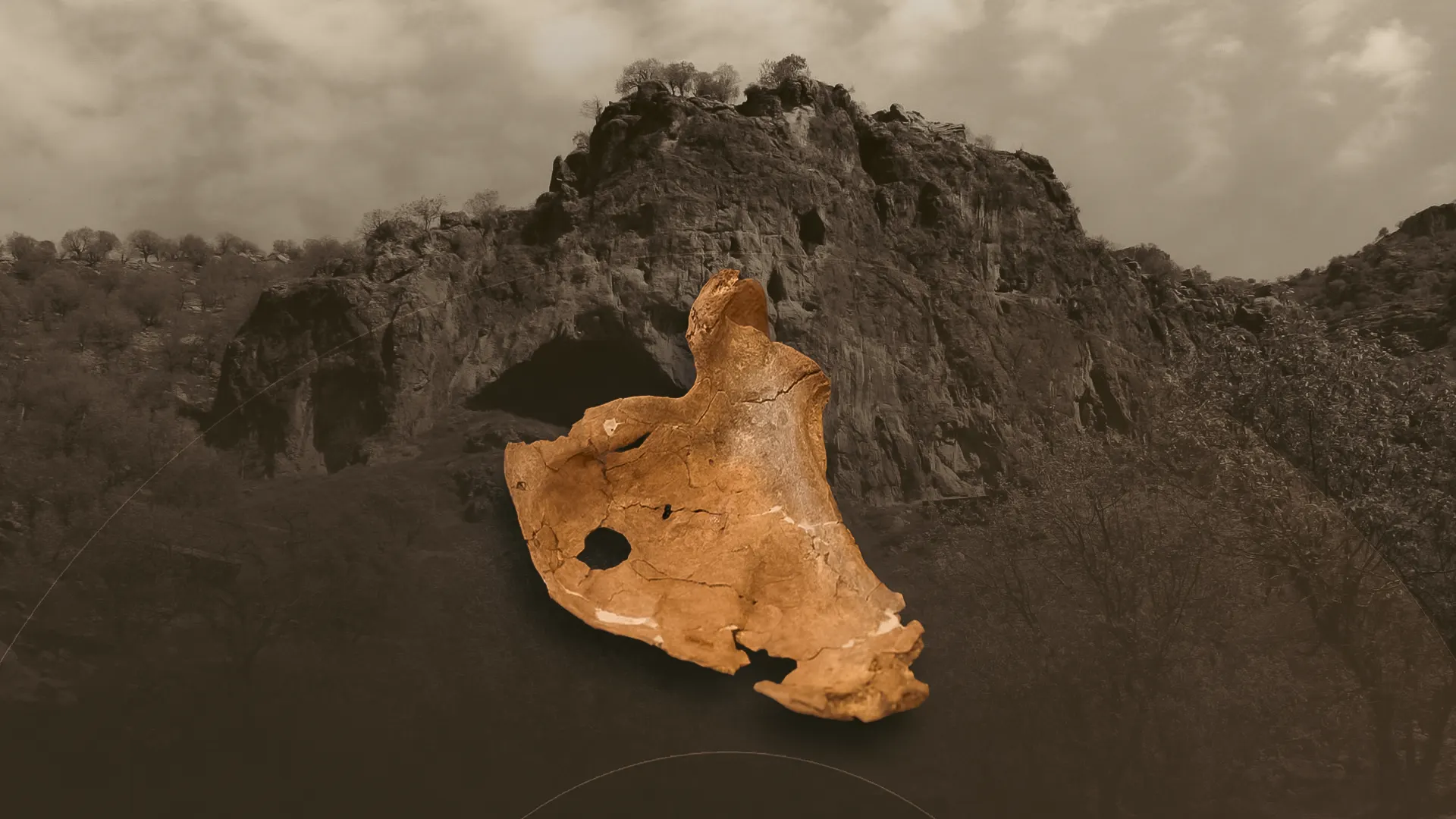
Shanidar Cave Research Examines Neanderthal Violence and Social Bonds