Indonesian Residents Protest Data Centers Amid Severe Water Shortages
At a Glance
Residents of Batam, Indonesia, are protesting as taps run dry near new data centers.
A drought is behind the shortage, but anger is directed at the AI boom.
Similar frustration is growing in neighboring Malaysia.
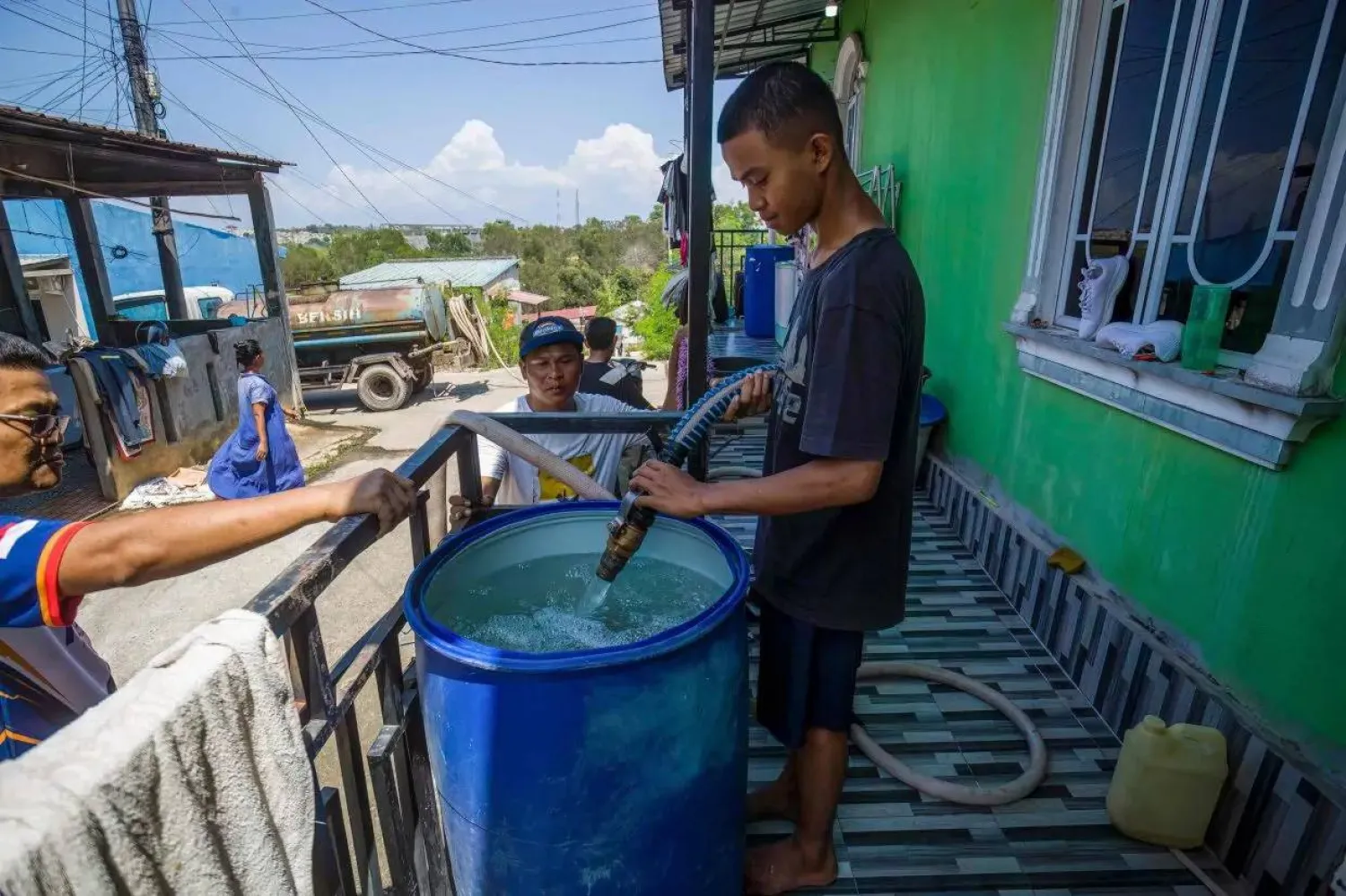
Residents of the Indonesian island of Batam are protesting water outages that they link to a wave of new data centers built to power the global artificial intelligence boom.
Key Statements and Focus Area
Resident on the Shortage: "We cannot eat rice without water. We cannot cook vegetables without water." — Juniardi Adinda Sembiring Gurukinayan, Batam tradesman.
Mayor on the Cause: The disruption "was not caused by data centers or AI or investors entering that sector" and was instead due to weather and climate factors. — Amsakar Achmad, Batam mayor and head of BP Batam.
Focus Area: The clash between AI data center expansion and local water supplies in Southeast Asia.
Dozens of residents staged spontaneous protests outside Nongsa Digital Park, a special economic zone hosting data centers.
The local water utility blames a long drought linked to a strong El Niño, along with an electrical fault, and says the tech park draws from a different reservoir.
Residents describe skipping showers, using seawater to wash, and receiving government-delivered water that is smelly and yellowish.
In late September, authorities ordered developers to build seawater desalination plants for cooling to avoid straining local resources.
The tension extends to Malaysia's Johor region, where data center capacity has grown from 10 megawatts to 2.1 gigawatts in five years, and residents have protested dust pollution and flash floods.
Data centers are forecast to consume one-third of Malaysia's energy by 2035.
Pushback has sometimes worked: in Kota Damansara, near Kuala Lumpur, a developer withdrew its application in August after a petition gathered more than 9,000 signatures.
FYI
Southeast Asia's data center capacity is projected to triple from 2025 levels by 2030, according to KPMG.
The boom in Indonesia and Malaysia began after Singapore halted new developments between 2019 and 2022 over resource constraints.
Dive Deeper: Handpicked Stories for You
Follow Channel8 for continuous updates: