Iran Red Crescent Reports Widespread Damage To Civilian Infrastructure
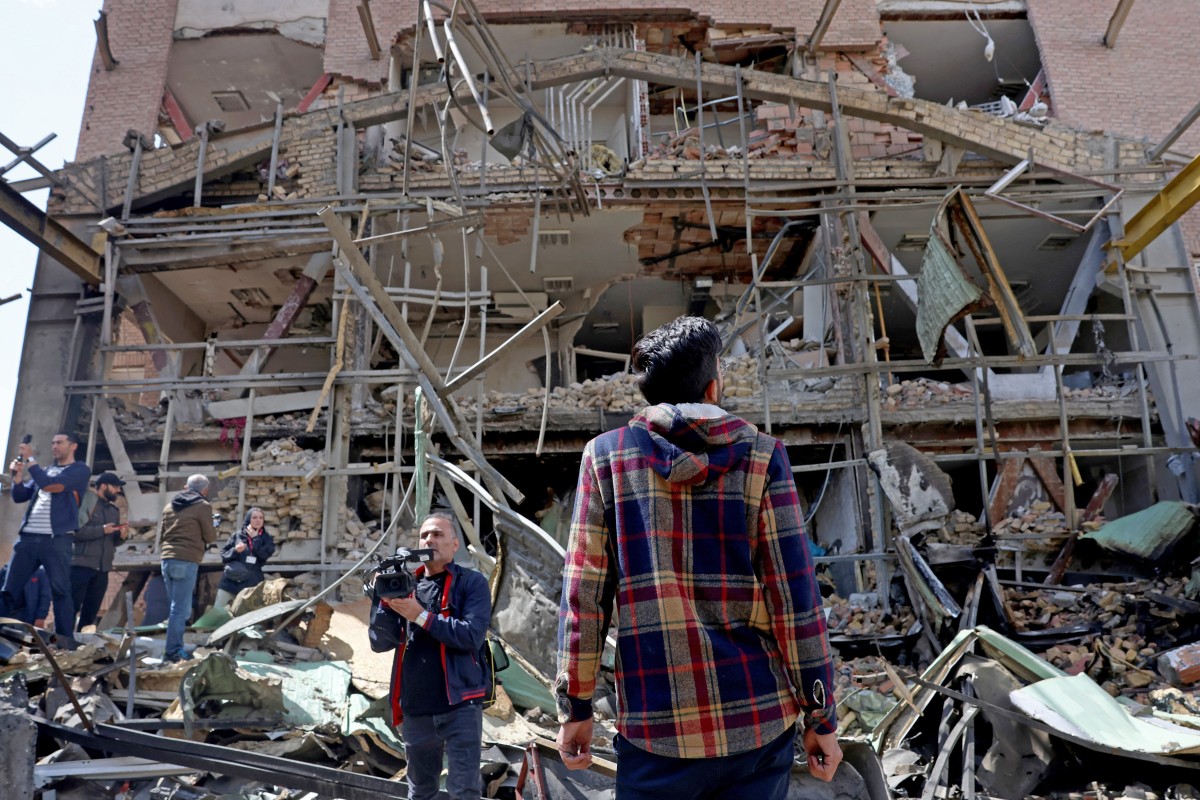
Iran has suffered widespread economic, civilian and military damage after 40 days of conflict with the United States and Israel, according to officials and external assessments.
Losses to the Iranian economy are estimated between $140 billion and $145 billion, according to figures cited by Israel’s Jerusalem Post.
Pirhossein Kolivand, head of the Iranian Red Crescent Society, said more than 125,000 non-military facilities were damaged during the war. These included around 100,000 residential units and 23,500 commercial properties, many either destroyed or partially damaged.
Kolivand added that 339 medical facilities, including hospitals, pharmacies and emergency centers, were affected, alongside 32 universities and about 857 schools. He also said 20 Red Crescent facilities were directly targeted.
Infrastructure damage included at least 15 major sites and five fuel storage facilities, while airports and civilian aircraft were also impacted. During relief operations, 49 rescue vehicles and 43 ambulances were damaged, some reportedly hit by strikes.
The conflict also significantly weakened Iran’s military capabilities. U.S. Central Command chief Brad Cooper said Tehran had suffered a “generational military defeat,” citing damage to missile, naval and air systems.
Analyses cited by The Washington Post and regional media said key ballistic missile production sites, including Khojir, Parchin, Hakimiyeh and Shahroud, were heavily damaged, along with at least 29 launch sites.
Satellite imagery and expert assessments indicated that strikes destroyed above-ground launch facilities and disrupted access to underground stockpiles, limiting Iran’s ability to produce new missiles in the short term.
Experts said the damage could halt Iran’s production of short- and medium-range missiles until facilities are rebuilt.
U.S. President Donald Trump announced a ceasefire early Wednesday following weeks of strikes, marking a shift after earlier warnings of further escalation.