Bessent Thanks UK, Turkey, Oman and UAE for Backing US Banking and Aviation Measures on Iran
At a Glance
- US Treasury Secretary announced new measures targeting Iranian financial and aviation networks.
- Bessent said several countries have taken steps affecting Iranian airlines and financial transactions.
- He said the measures are contributing to increased economic pressure on Tehran.
- The Iranian rial has fallen to record lows, according to Bessent.
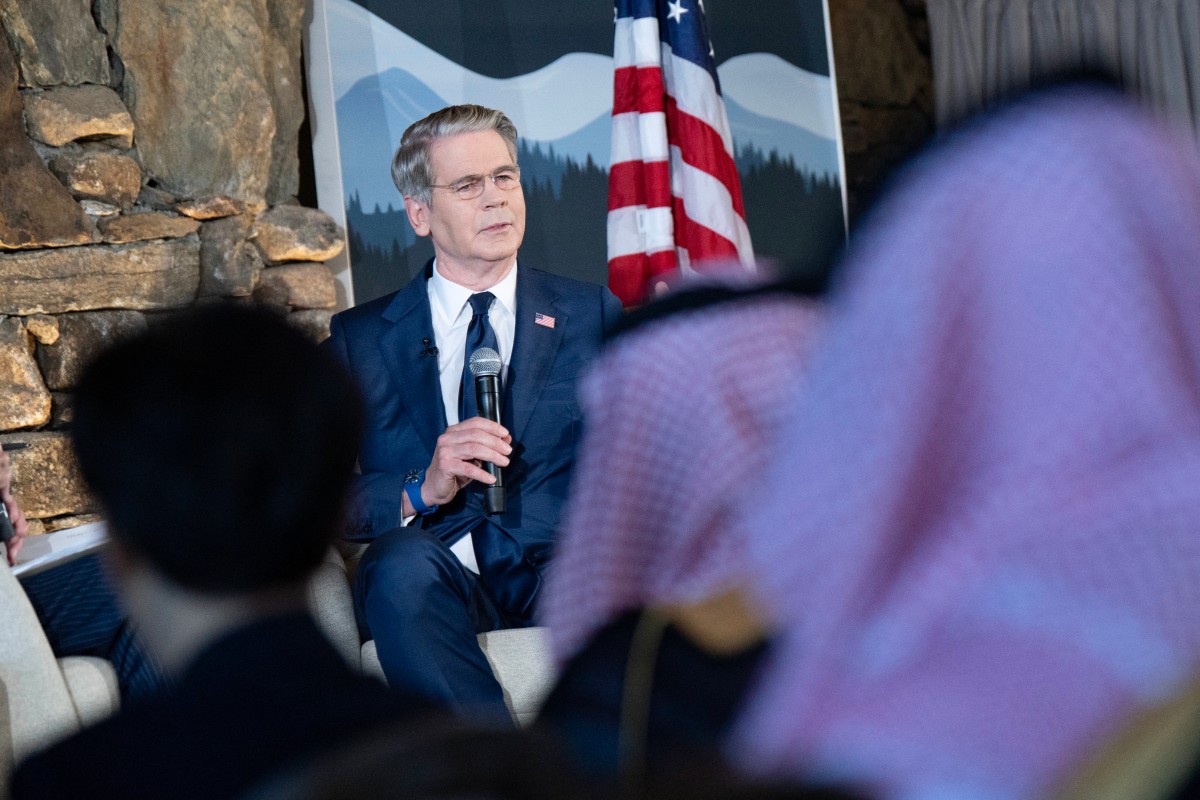
US Treasury Secretary Scott Bessent says Washington's latest economic measures against Iran are producing results, citing actions by several countries against Iranian aviation and financial activities.
Key Statements and Focus Area
- Financial Pressure: “These efforts are delivering results.” — US Treasury Secretary Scott Bessent.
- International Measures: “Türkiye and Oman announced the cessation of Mahan Air flights to their countries.” — US Treasury Secretary Scott Bessent.
- Focus Area: Washington is seeking coordinated international measures targeting Iran's financial and aviation networks.
Bessent said on X that the US Treasury imposed targeted financial measures against banks and aviation service providers following the launch of what he called “Operation Economic Outcast.” He said Treasury teams were subsequently sent to countries around the world to press governments to take action against Iran.
According to Bessent, the United Arab Emirates has halted flights operated by Iranian airlines, while major commercial banks in the UAE and Turkey have stopped conducting transactions with Iran. Bessent pointed to the decline in Iran's currency as another indication of the economic impact of the measures, saying the rial has fallen to record lows.
The Treasury secretary thanked the governments of the United Kingdom, Turkey, Oman, and the UAE for their cooperation. He said Washington would continue coordinating with those governments and described further action as necessary to restrict what he called Tehran's “terrorist agenda.”
FYI
The United States has increasingly used financial sanctions and restrictions on banking, aviation, and other sectors as tools of economic pressure against Iran. Such measures can limit access to international financial systems and make cross-border transactions and commercial operations more difficult.
The impact of sanctions on Iran's economy is also closely linked to the value of the rial, trade flows, and the country's ability to access foreign currency and international markets.
Dive Deeper: Handpicked Stories for You
Follow Channel8 for continuous updates:
Trump Says Iran War May Be Nearing An End
Ghalibaf Says Hormuz Will Remain Closed Until Iran's Conditions Met