Remote Pacific Atolls Found to Be Among Planet's Last Untouched Ecosystems
At a Glance
Scientists have described two remote Pacific atolls as some of the most intact ecosystems left on Earth.
The atolls now sit inside the Marshall Islands' first national marine sanctuary.
The study found rich wildlife, including species not previously recorded.
Researchers say two coral atolls in the Marshall Islands, Bikar and Bokak, may be among the last wild and healthy ecosystems left largely untouched by humans.
Key Statements and Focus Area
Lead Author on Their Global Value: "Bikar and Bokak are not just treasures for the Marshall Islands but for the entire planet, a gift from the community of Utirik Atoll, which has traditionally and vigilantly safeguarded these fragile ecosystems for decades." — Dr. Alan Friedlander, study first author, University of Hawai'i.
Lead Author on Their Scientific Use: "They are among the best ecological reference systems we have to better understand what we have lost elsewhere and to provide fundamental insights needed for effective conservation and restoration efforts." — Dr. Alan Friedlander.
Focus Area: The discovery of near-pristine ecosystems on Bikar and Bokak and their protection as a marine sanctuary.
The atolls are the northernmost in the Marshall Islands, roughly midway between Hawaii and the Philippines, and lie about 72 and 239 miles from the nearest inhabited atoll.
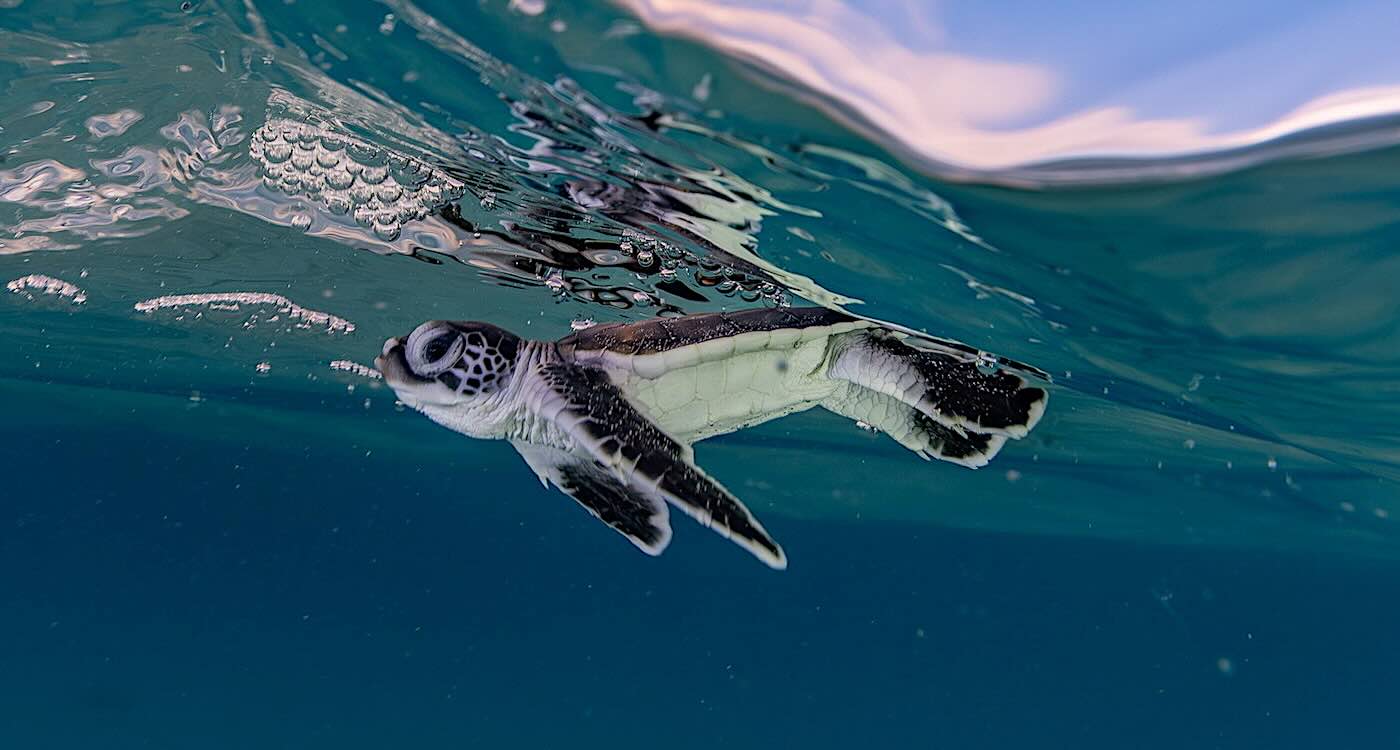
A research team began extensive monitoring in 2023, surveying seabirds, shorebirds, vegetation, turtle nesting, coral reefs and fish using scuba, underwater video, deep-sea cameras and a submarine.
They counted over a dozen breeding seabird colonies, 266 groups of reef fish, 79 groups of deep-sea fish and 15 groups of open-water predators, including sharks, jacks and wahoo.
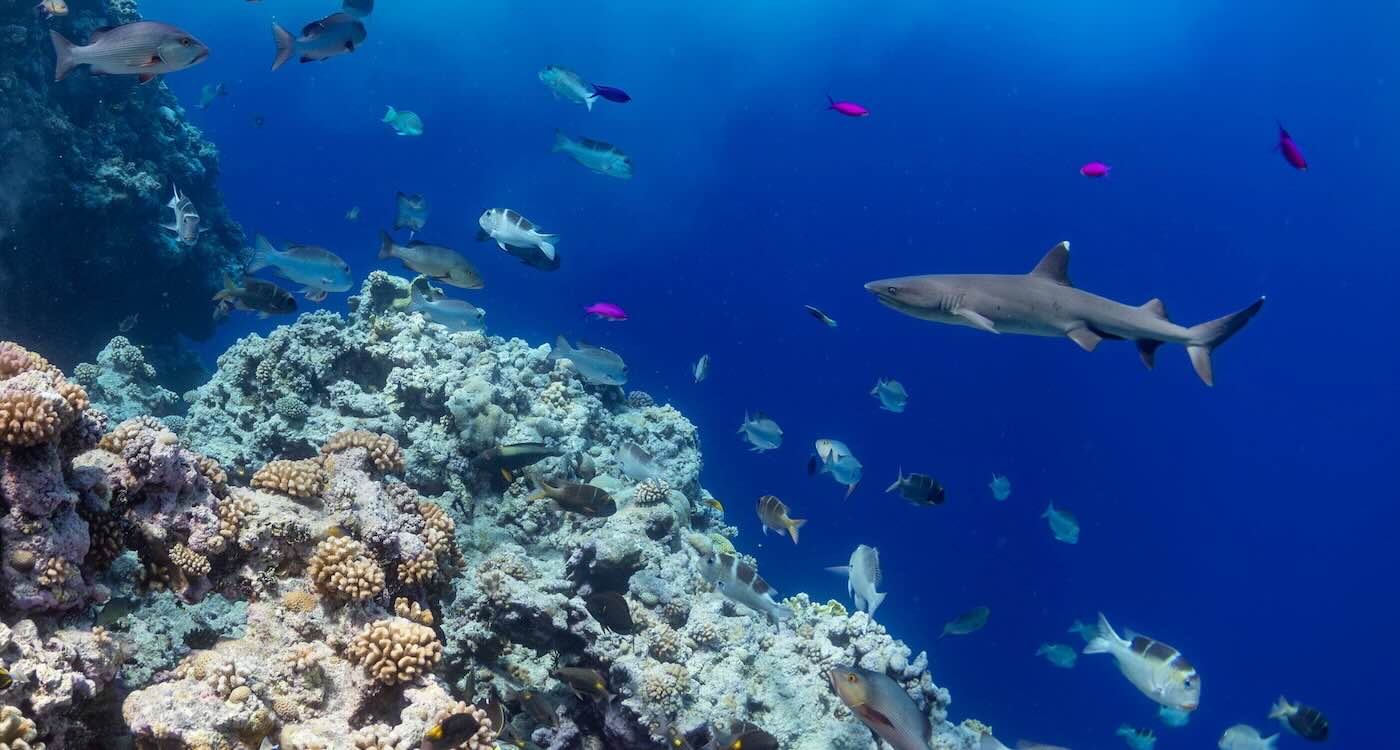
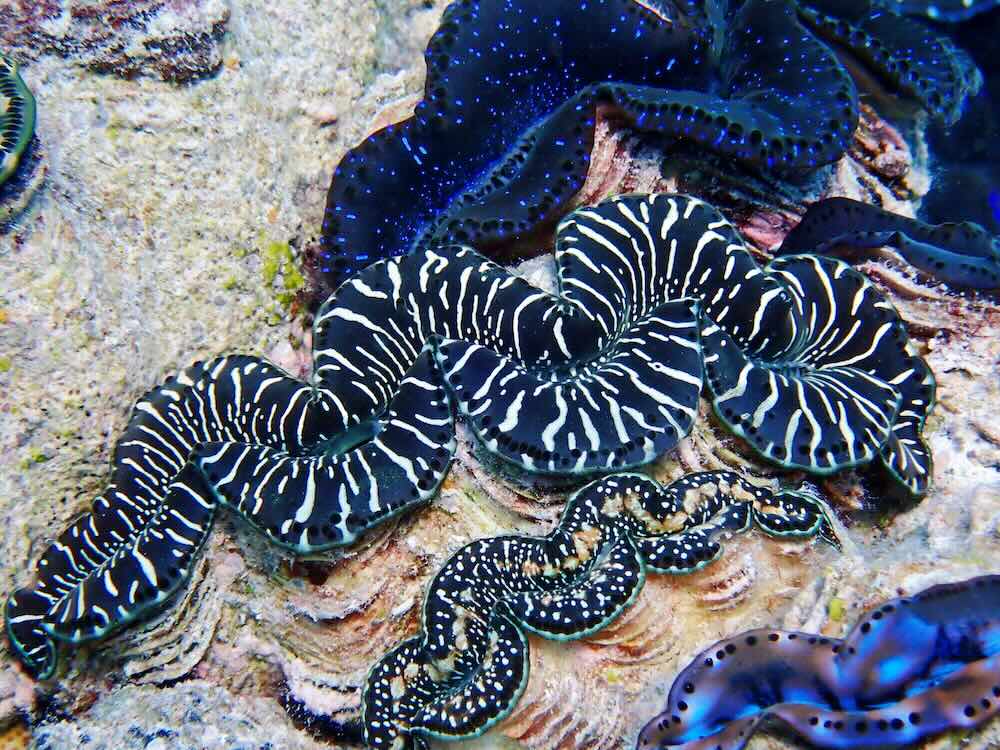
Fourteen of the observed groups had never been recorded in the Marshall Islands, and two may be species new to science.
Two years after the assessment, about 18,500 square miles around the atolls were declared the country's first national marine sanctuary.
The study, published in Frontiers in Marine Science, captured a single point in time to serve as a globally important ecological reference.
Friedlander said the Marshall Islands government should be applauded for protecting these biodiversity hotspots.
FYI
Atolls are ring-shaped coral islands that form around sunken volcanoes, and truly remote ones are rare refuges from overfishing, pollution, and development.
Scientists use near-pristine sites like these as baselines to measure how much marine life has been lost elsewhere.
Dive Deeper: Handpicked Stories for You
Follow Channel8 for continuous updates:
Tiny Trackers Reveal Hidden Monarch Butterfly Migration Routes