Iraq’s Constitutional Debate Deepens as Kurdistan Rights Remain Disputed
At a Glance
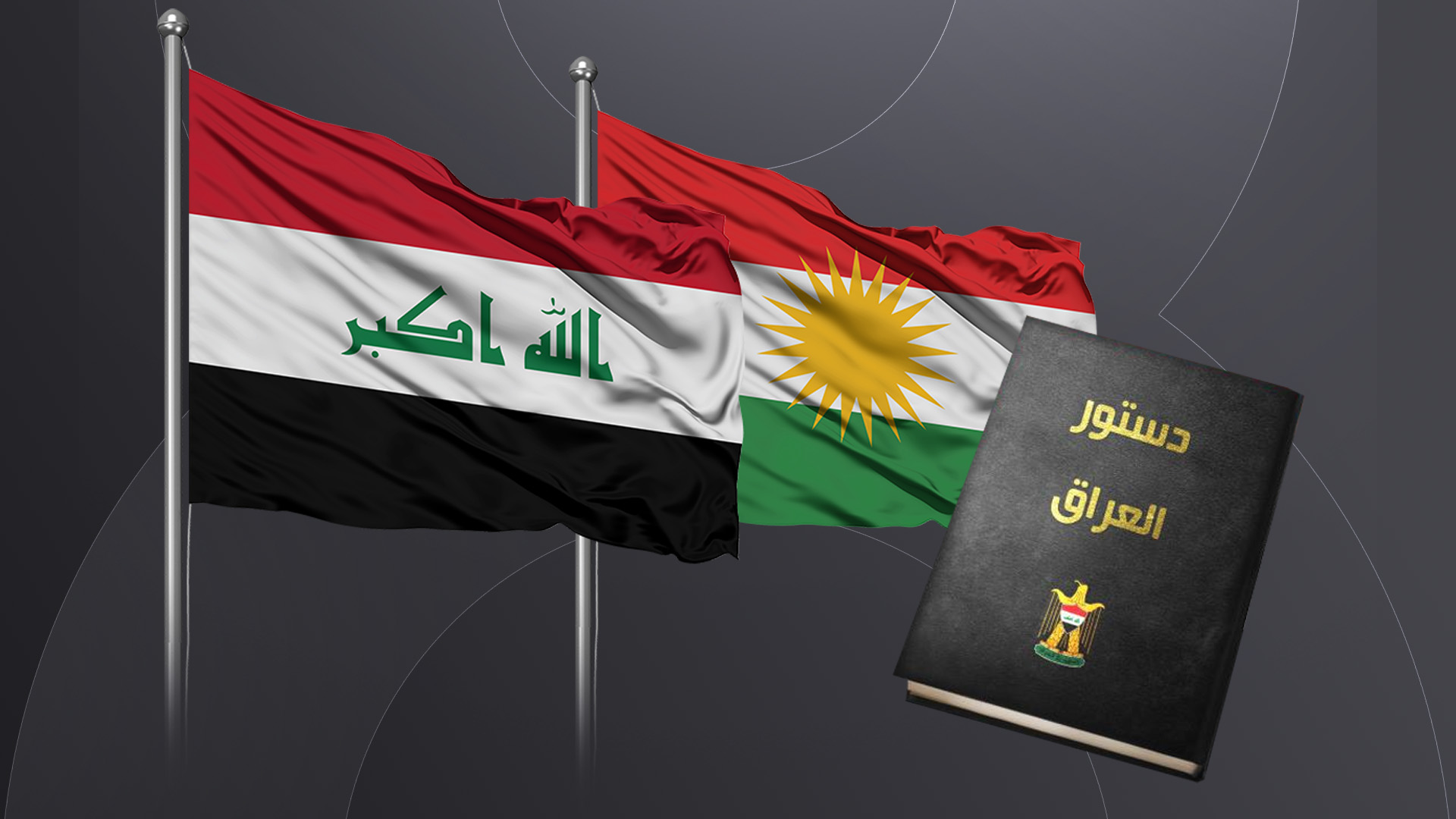
Debate over the implementation of Iraq’s 2005 Constitution has intensified amid renewed tensions between Baghdad and the Kurdistan Regional Caretaker Government.
Prime Minister Ali al-Zaidi has emphasized implementing constitutional provisions, while critics argue that several articles concerning Kurdistan’s rights and federal powers remain unfulfilled.
Key unresolved issues include Article 140, the Federation Council, oil and gas management, budget entitlements and the status of the Peshmerga.
The report identifies 55 constitutional articles as having been violated or left unfulfilled, a figure that requires attribution to the underlying assessment.
Debate over Iraq’s Constitution has intensified, with renewed calls for its full implementation highlighting longstanding disputes over the constitutional rights of the Kurdistan Region and the distribution of powers between Baghdad and Erbil.
Key Statements and Focus Areas
Constitutional Commitments and Unfulfilled Provisions
Iraq’s permanent Constitution was approved in 2005 and contains 144 articles.
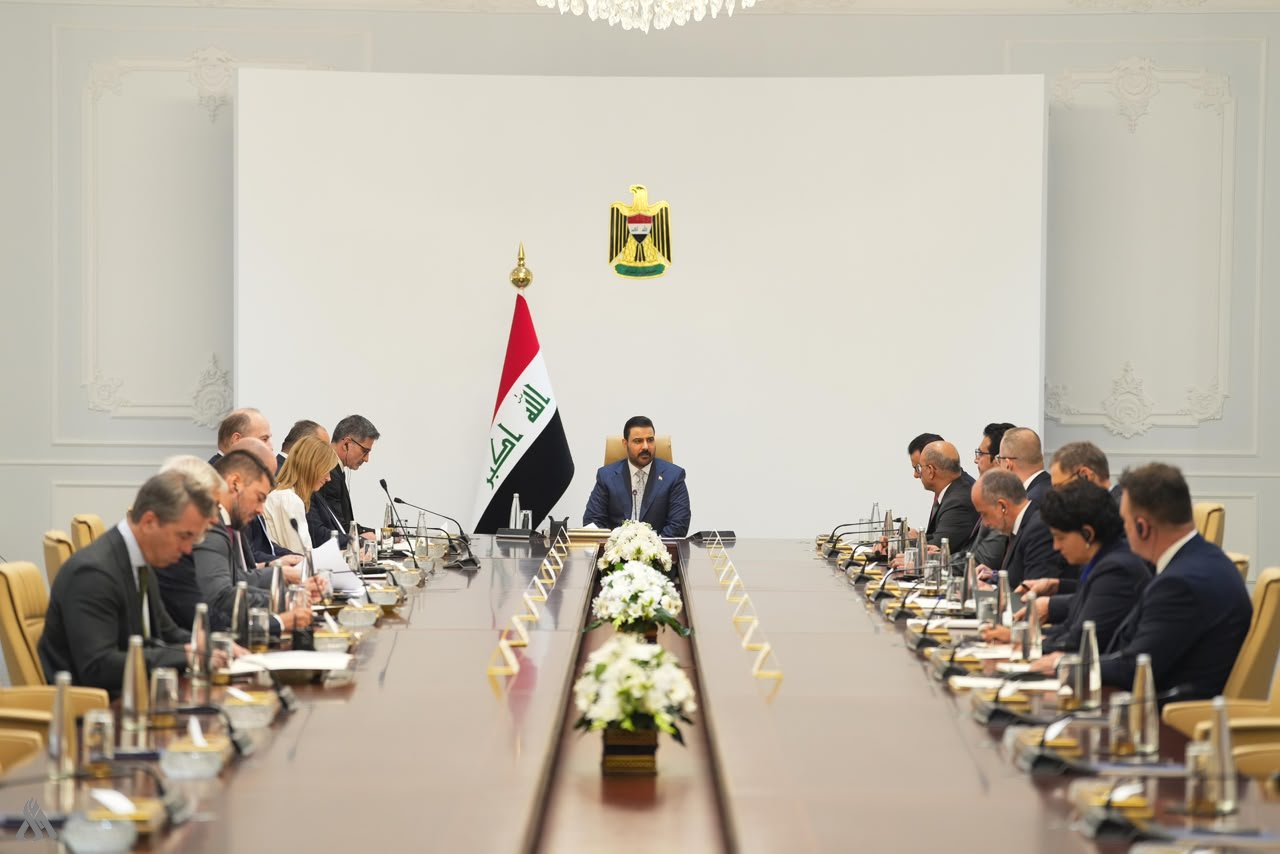
Prime Minister Ali al-Zaidi has emphasized the implementation of constitutional provisions.
The report argues that several articles concerning the Kurdistan Region’s political, administrative, financial and security entitlements have not been fully implemented.
It identifies 55 articles as violated or unfulfilled, reflecting an assessment of constitutional implementation rather than an official judicial determination.
Main Areas of Dispute
Article 140: The constitutional process for resolving the status of Kirkuk and other disputed territories remains incomplete.
Articles 48 and 65: The Federation Council, intended as the second chamber of Iraq’s federal legislature, has not been established.
Articles 106 and 121: Disputes continue over revenue distribution, regional budget entitlements and the constitutional framework for federal-regional financial relations.
Article 112: The absence of an agreed federal oil and gas law has contributed to disputes over resource management and exports.
Articles 9 and 121: The legal and financial arrangements governing the Peshmerga and regional security forces remain contested.
Articles 4 and 12: Questions remain over the practical recognition of Kurdish as an official language and the representation of Iraq’s diverse communities in national symbols.
Articles 102–108: The report raises concerns about the independence and constitutional functioning of federal institutions.
Article 132: The report highlights the lack of comprehensive compensation for victims of crimes committed under the former Iraqi regime.
Iraq’s 2005 Constitution was intended to establish a federal political system, define the distribution of authority between federal and regional institutions, and guarantee the rights of the country’s different communities. More than two decades after its approval, however, several of its provisions remain at the centre of political and legal disputes.
The latest debate has gained momentum as Prime Minister Ali al-Zaidi emphasizes constitutional implementation, while political and regional representatives continue to question whether Baghdad has fulfilled its obligations toward the Kurdistan Region.
The report argues that constitutional provisions have been applied unevenly, with some of the most consequential articles concerning the Kurdistan Region remaining unresolved.
Article 140 and the Disputed Territories
Article 140 established a three-stage process to resolve the status of Kirkuk and other disputed territories: normalization, a population census and a referendum.
The process was supposed to be completed by December 31, 2007. However, the deadline passed without the required steps being completed, leaving disputes over administrative authority, land ownership and demographic changes unresolved.
The issue remains a major source of tension between Baghdad and Erbil, particularly in areas where competing claims over governance and territorial status persist.
The Unestablished Federation Council
Articles 48 and 65 provide for a Federation Council as the second chamber of Iraq’s federal legislature, alongside the Council of Representatives.
The proposed chamber is intended to represent the regions and governorates and provide an additional mechanism for balancing federal decision-making. However, it has not been established, and the legislation required to define its composition and powers remains outstanding.
The absence of this institution has been raised by Kurdish representatives as a gap in Iraq’s federal system.
Budget, Salaries and Federal Revenues
Financial relations between Baghdad and Erbil remain among the most persistent areas of disagreement.
The report points to disputes over the Kurdistan Region’s share of the federal budget, salary payments and the distribution of national revenues. It also highlights the failure to establish the Federal Public Revenue Council envisaged under Article 106.
Article 121, meanwhile, provides for regions to receive an equitable share of national revenues sufficient to fulfil their responsibilities, taking into account their resources, needs and population.
Oil and Gas Management
Article 112 requires the federal government and producing regional and governorate authorities to jointly manage oil and gas extracted from existing fields and develop strategic policies for the sector.
However, the absence of an agreed federal oil and gas law has contributed to prolonged disagreements over production, exports, contracts and revenue distribution.
The issue has repeatedly strained relations between Baghdad and Erbil and remains central to negotiations over the Kurdistan Region’s financial entitlements.
Peshmerga and Security Arrangements
The report also raises concerns over the constitutional and financial position of the Peshmerga.
Article 9 sets out the framework for Iraq’s armed forces, while Article 121 gives regions authority over internal security forces, including police and security services. The report argues that the Peshmerga’s funding, salaries and military requirements have not been addressed through a fully agreed federal framework.
Despite cooperation between Iraqi and Kurdish forces in the campaign against ISIS, disagreements over funding, organization and institutional arrangements have continued.
Language, Identity and Federal Institutions
Article 4 recognizes Arabic and Kurdish as Iraq’s two official languages, while Article 12 addresses the country’s flag, national anthem and emblem.
The report argues that Kurdish is not consistently reflected in the work of federal institutions and official correspondence, and calls for national symbols to represent Iraq’s diverse communities.
It also questions the independence and constitutional functioning of federal bodies, including the Federal Supreme Court and independent commissions. The report specifically raises concerns over the legal framework governing the court and the need for legislation to give effect to constitutional provisions on federal institutions.
Compensation for Victims of Former Regime Crimes
Article 132 addresses the state's responsibility toward victims of the former regime and requires the state to guarantee their rights through legislation.
The report highlights the absence of comprehensive compensation for victims of the Anfal campaign, the chemical attack on Halabja and other crimes committed under the former regime.
In February 2026, the Kurdistan Regional Caretaker Government's Department of Media and Information estimated the outstanding compensation claims at approximately $384 billion, based on assessments of human, material, environmental and other losses. This is an estimate advanced by the regional administration, not an independently established compensation award.
FYI
The constitutional dispute is not limited to disagreements over individual articles. It concerns the practical balance of power between Iraq’s federal institutions and the Kurdistan Region, including control over resources, security arrangements, public revenues and disputed territories.
Recent developments have brought these disagreements back into focus. On November 25, 2026, Iraq’s Federal Supreme Court upheld federal measures concerning international border security and federal oversight of border crossings. The Kurdistan Regional Caretaker Government rejected the measures, arguing that constitutional provisions and the Region’s rights must be respected. The dispute has again highlighted the competing interpretations of federal authority and regional powers.
The Constitution provides mechanisms for addressing these issues, but their implementation has repeatedly been affected by political disagreements and competing interpretations. The central challenge remains whether Baghdad and Erbil can resolve their disputes through constitutional institutions, legislation and sustained dialogue rather than unilateral measures.
Dive Deeper: Handpicked Stories for You
Follow Channel8 for continuous updates:
Al-Zaidi Tells EU Ambassadors There Will Be No Retreat From Fighting Corruption and Oil Smuggling
Iraqi PM Reaffirms Commitment to Kurdistan’s Constitutional Rights