Iranian Toman Drops Nearly 40% Amid Conflict and Blockades
At a Glance
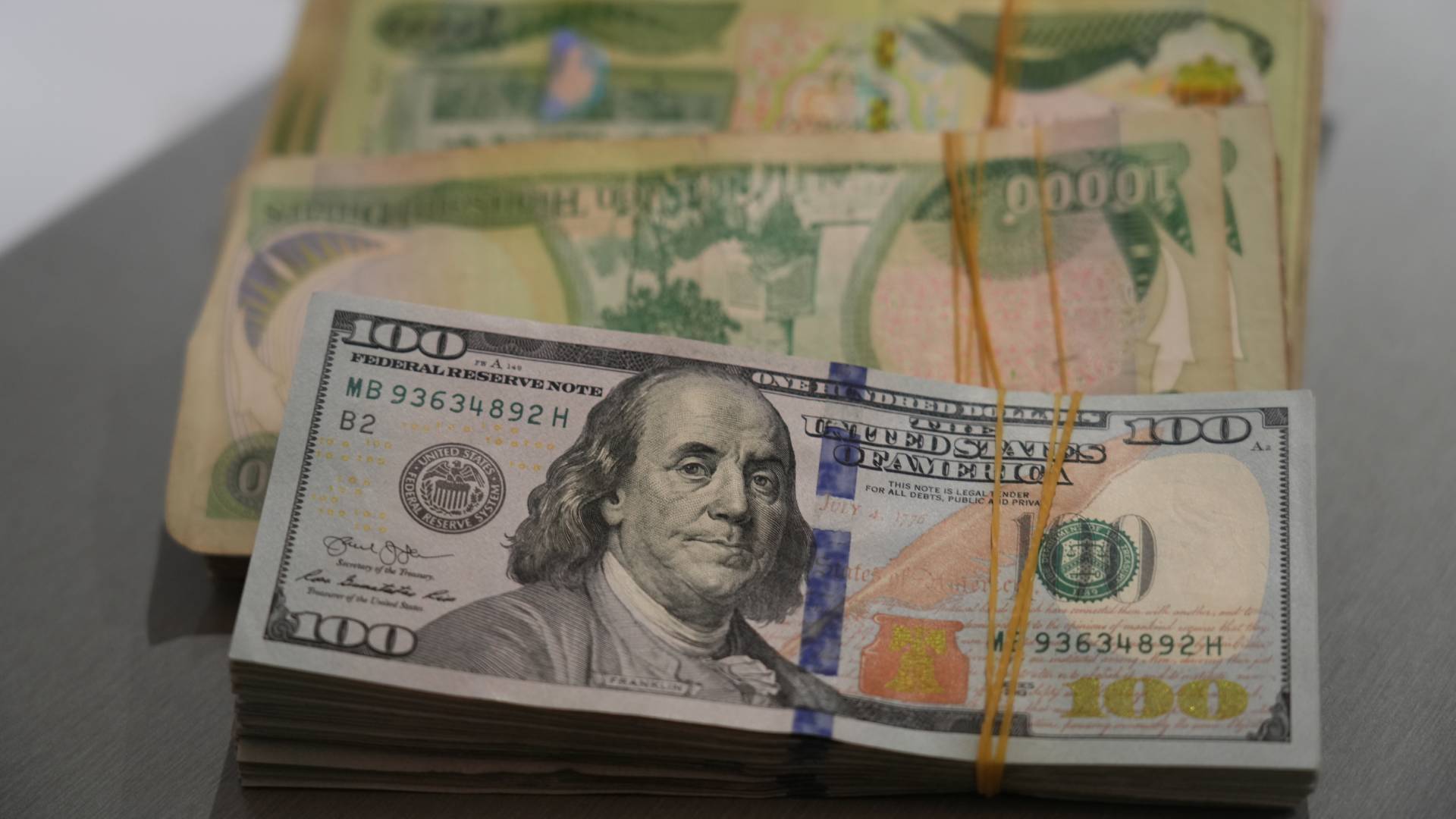
One hundred U.S. dollars now trades at 29,320,000 tomans inside Iran.
The currency has lost nearly 40% of its value against the dollar this year.
Cross-border toman trade in the Kurdistan Region has slowed due to import restrictions.
The Iranian toman has lost nearly 40% of its value against the U.S. dollar over the past 11 months, pressured by the ongoing U.S.–Israeli conflict with Tehran, economic sanctions, and maritime blockades.
Key Statements and Focus Area
According to market data, $100 is currently trading at 29,320,000 tomans inside Iran. In the Kurdistan Region, the same amount exchanges for 29,270,000 tomans via money transfer (hawala) and 28,500,000 tomans in cash, while one billion tomans is valued at $3,410.
Against the Iraqi dinar, one million Iranian tomans trades at 5,800 dinars, and 100,000 tomans equals 580 dinars.
Market records show that on February 27—one day before the conflict began—$100 traded at 17,600,000 tomans. The currency has since dropped by 11,720,000 tomans per $100.
In the Kurdistan Region, activity in the Iranian currency has narrowed significantly.
Local exchange data indicates that only a limited number of merchants importing goods from Iran continue to transact in tomans, as cross-border trade has become heavily restricted since the outbreak of the conflict.
FYI
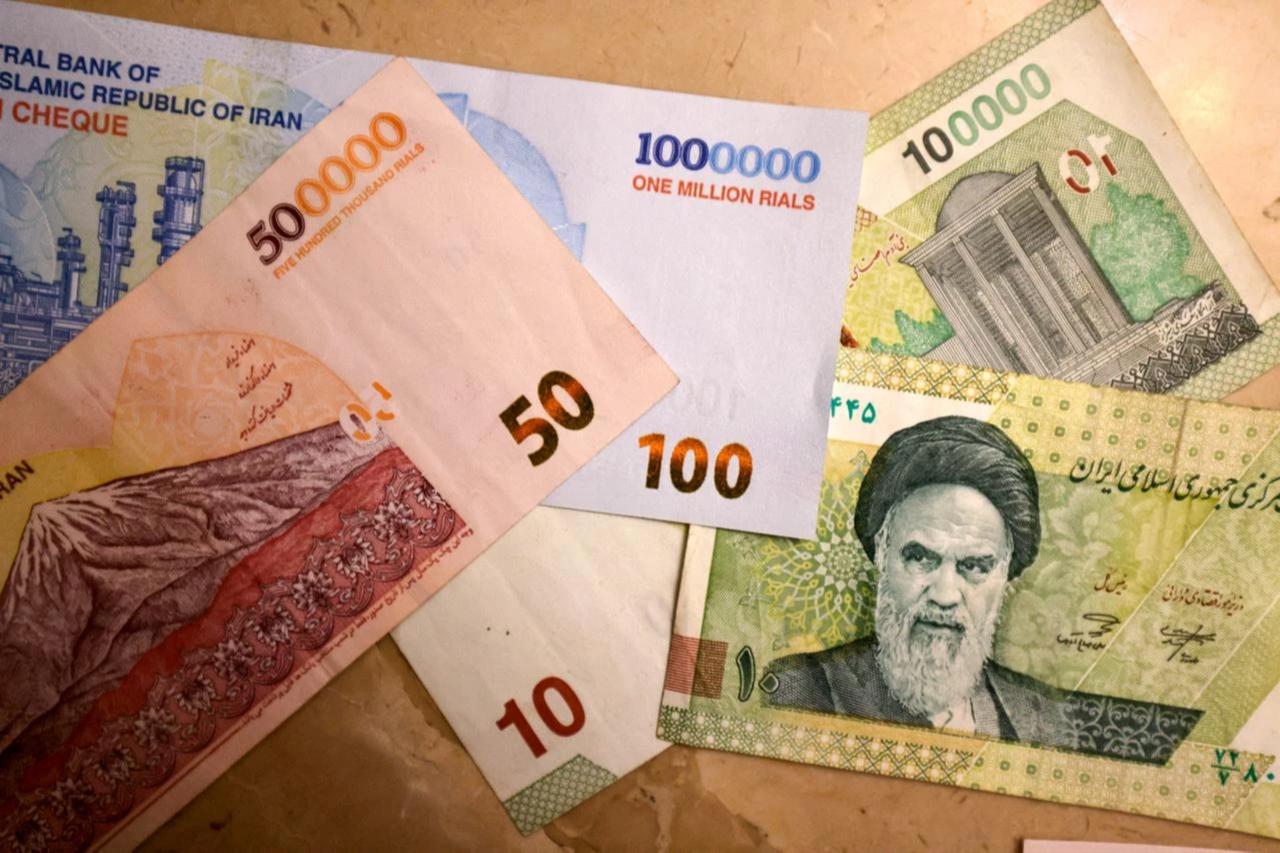
While the rial is Iran's official currency, everyday transactions and market exchange rates in Iran and neighboring trade hubs are typically quoted in tomans, a superunit equal to 10 rials.
Iran's currency has faced prolonged depreciation due to international sanctions, high inflation, and restricted access to global banking networks. Following the outbreak of joint U.S.–Israeli military strikes on February 28, 2026, shipping disruptions in the Strait of Hormuz and a U.S.-enforced naval blockade severely curtailed Iran's crude oil exports and foreign currency inflows, accelerating pressure on the parallel exchange market.
Dive Deeper: Handpicked Stories for You
Follow Channel8 for continuous updates:
Jalal Talabani Airport Set to Offer Official-Rate Dollars to Travelers
Gold Steadies After 2% Drop as Investors Await US Inflation Data