Masrour Barzani Urges Parliamentary Dialogue and Rejects Centralized Oil
At a Glance
The KRG Prime Minister invites all political factions to engage in open dialogue within Kurdistan's newly activated parliament.
Erbil targets a fundamental resolution with Baghdad regarding ongoing budget allocations and guaranteed public salary distributions.
The KRG demands full constitutional compliance and explicitly rejects centralized Iraqi control over its oil and gas operations.
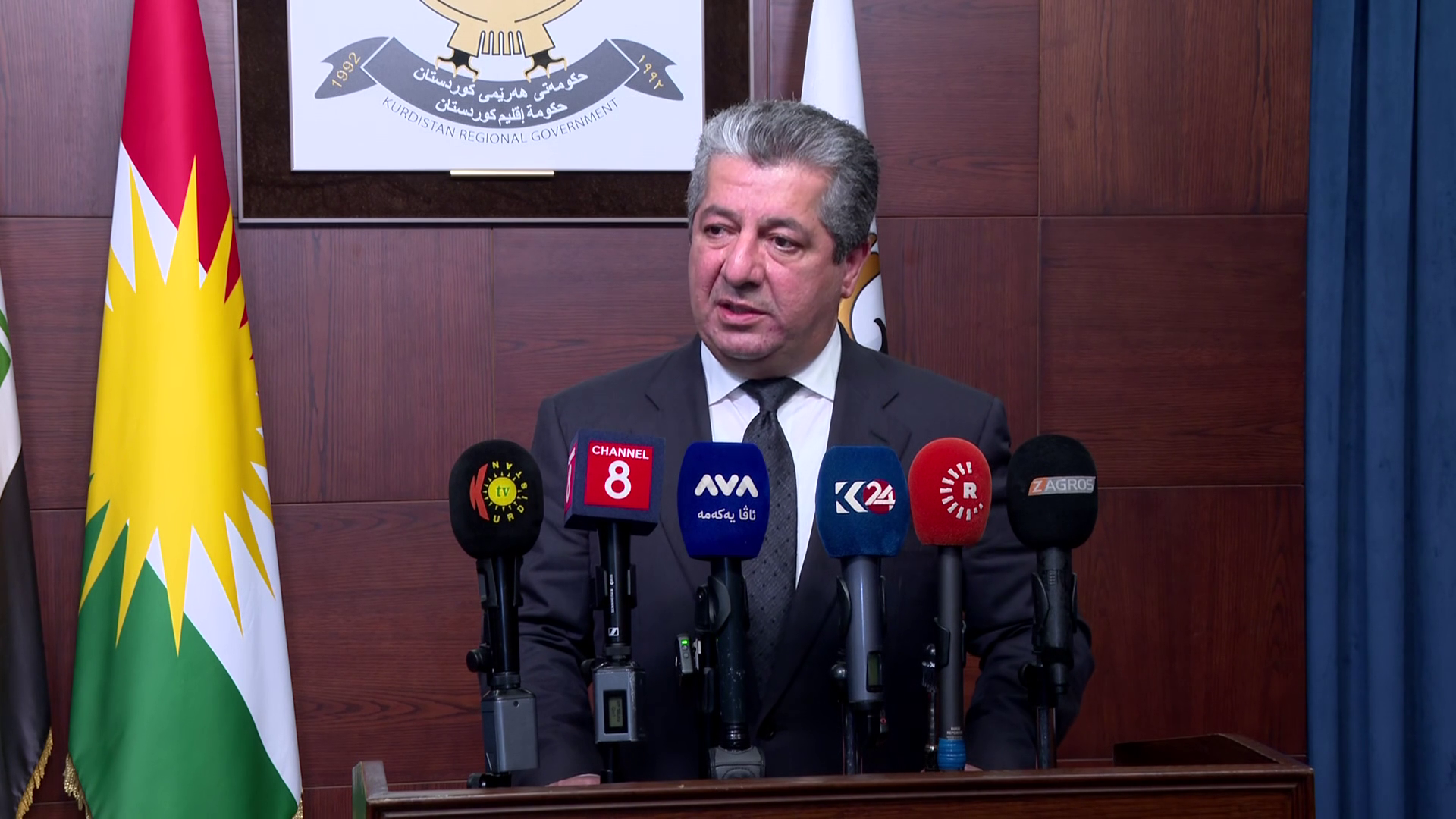
Masrour Barzani, the Prime Minister of the caretaker Kurdistan Regional Government, called for parliamentary dialogue with all political parties while firmly insisting on a constitutional, federal framework that rejects centralized Iraqi control over regional oil operations.
Key Statements and Focus Area
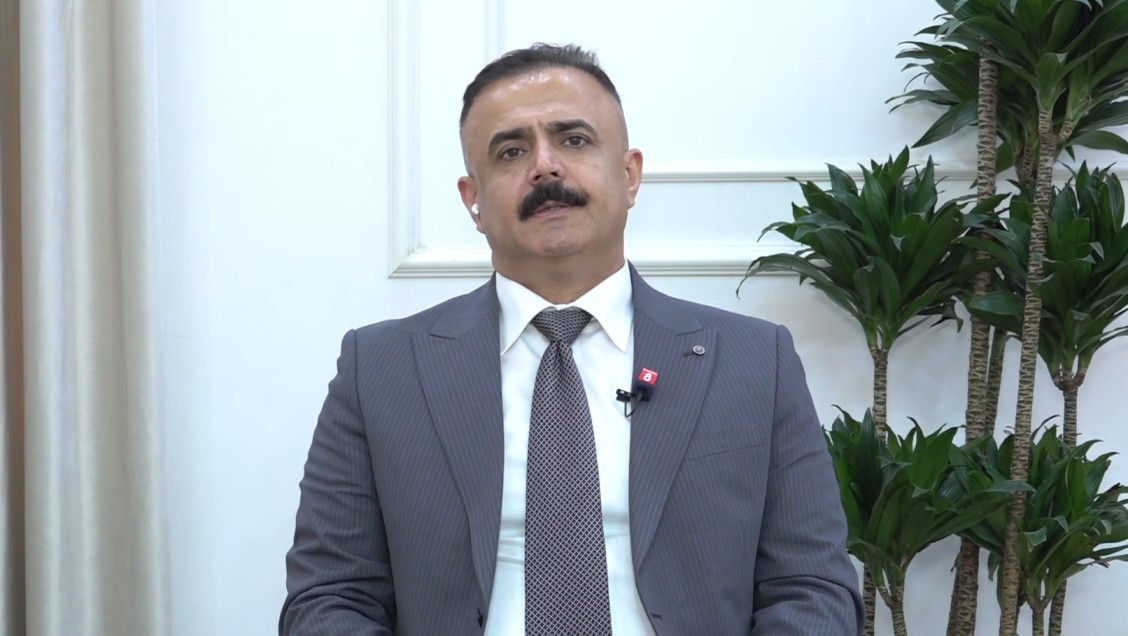
Responding to a Channel8 question, Prime Minister Masrour Barzani stated, “Our door is open to dialogue with any party that is willing to engage.”
“Our primary focus and effort is to fundamentally resolve the budget issue with Baghdad,” he stressed.
During a press conference on Tuesday, Prime Minister Masrour Barzani emphasized that the newly activated parliament serves as the official and proper forum for conducting political dialogue among all competing parties.
“We call upon every political party that genuinely cares about the people of Kurdistan and wishes to engage in dialogue: the door is open,” he added.
Addressing his recent diplomatic visit to Baghdad and the ongoing Erbil-Baghdad disputes, Barzani stated that regional budget issues remain directly tied to broader public revenues during a period of fiscal crisis across Iraq.
Barzani noted that Baghdad has promised to guarantee the salaries of the Kurdistan Region, adding, “we hope they will honor their promise.”
He further highlighted that during the recent discussions with Baghdad, the regional administration sought to address all outstanding disputes strictly on a constitutional basis, noting that the ongoing friction extends beyond budget allocations to encompass the disputed territories, fiscal frameworks, and the management of the oil and gas sector.
The Prime Minister emphasized that distinct differences of opinion persist regarding energy management, noting that certain groups favor “centralized control” over oil operations despite the fact that such a framework directly contradicts the constitution. Consequently, he added, the KRG continues to insist on the comprehensive implementation of constitutional parameters and demands to be treated strictly as a federal region.
He expressed hope that Baghdad would remain fully committed to the constitution, the promises they have made, and the agreements that have been concluded.
Regarding the attack on Khor Mor, he underlined that they agreed with the federal government that such “attacks must not be repeated.”
Barzani affirmed that the KRG will maintain close cooperation with the federal government to prevent future hostilities while demanding that the joint investigative committee ensure those identified as responsible for the attacks face formal legal accountability and prosecution.
FYI
The meeting in Baghdad between Masrour Barzani and Iraqi Federal Prime Minister Ali al-Zaidi unfolds against a backdrop of domestic political gridlock and regional security developments.
Barzani’s arrival in the capital follows a shift, occurring after the Patriotic Union of Kurdistan (PUK) announced its withdrawal from the caretaker KRG cabinet.
This friction directly impacts the newly convened parliament, where the election of the parliamentary presidency remains a key point of discussion among competing factions.
PUK President Bafel Jalal Talabani rejected the legitimacy of the newly elected parliamentary presidency board and directed his party's ministerial representatives to cease operations within the caretaker cabinet.
Simultaneously, the economic future of the Kurdistan Region dominates the discussions between Barzani and al-Zaidi as the federal cabinet reviews the draft 2027 national budget.
The central dispute centers on the Kurdistan Region's revenue share, with the KRG contesting the federal allocation threshold of 12.68% and requesting a 14.14% share based on the latest 2024 census data.
Additionally, the bilateral talks are designed to secure long-term, constitutionally grounded mechanisms for public sector salaries and oil production management, coming at a time when Baghdad aims to boost total national output to 10 million barrels per day by 2032—a quota projected to absorb up to one million barrels daily from Kurdish fields.
The urgency of the Baghdad-Erbil diplomatic alignment has been further accelerated by a recent drone strike on the strategic Khor Mor gas field in Slemani.
The attack forced an immediate suspension of operations and temporarily reduced electricity generation by nearly 2,800 megawatts across the Region, demonstrating the vulnerability of critical infrastructure to non-state armed factions.
In direct response, al-Zaidi and Barzani established a joint investigative security committee to identify those responsible, aiming to enforce legal accountability while ensuring the future protection of sovereign energy assets.
Dive Deeper: Handpicked Stories for You
Follow Channel8 for continuous updates:
Spokesperson Says KDP Ready to Meet PUK to Break Political Deadlock
Barzani and Al-Zaidi Agree on Constitutional Mechanisms to Resolve Disputes
Barzani Calls on PUK and KDP to Resolve Kurdistan Political Crisis
 (1).webp)