Iraq Waives Customs Duties as Consumer Prices Continue to Rise
At a Glance
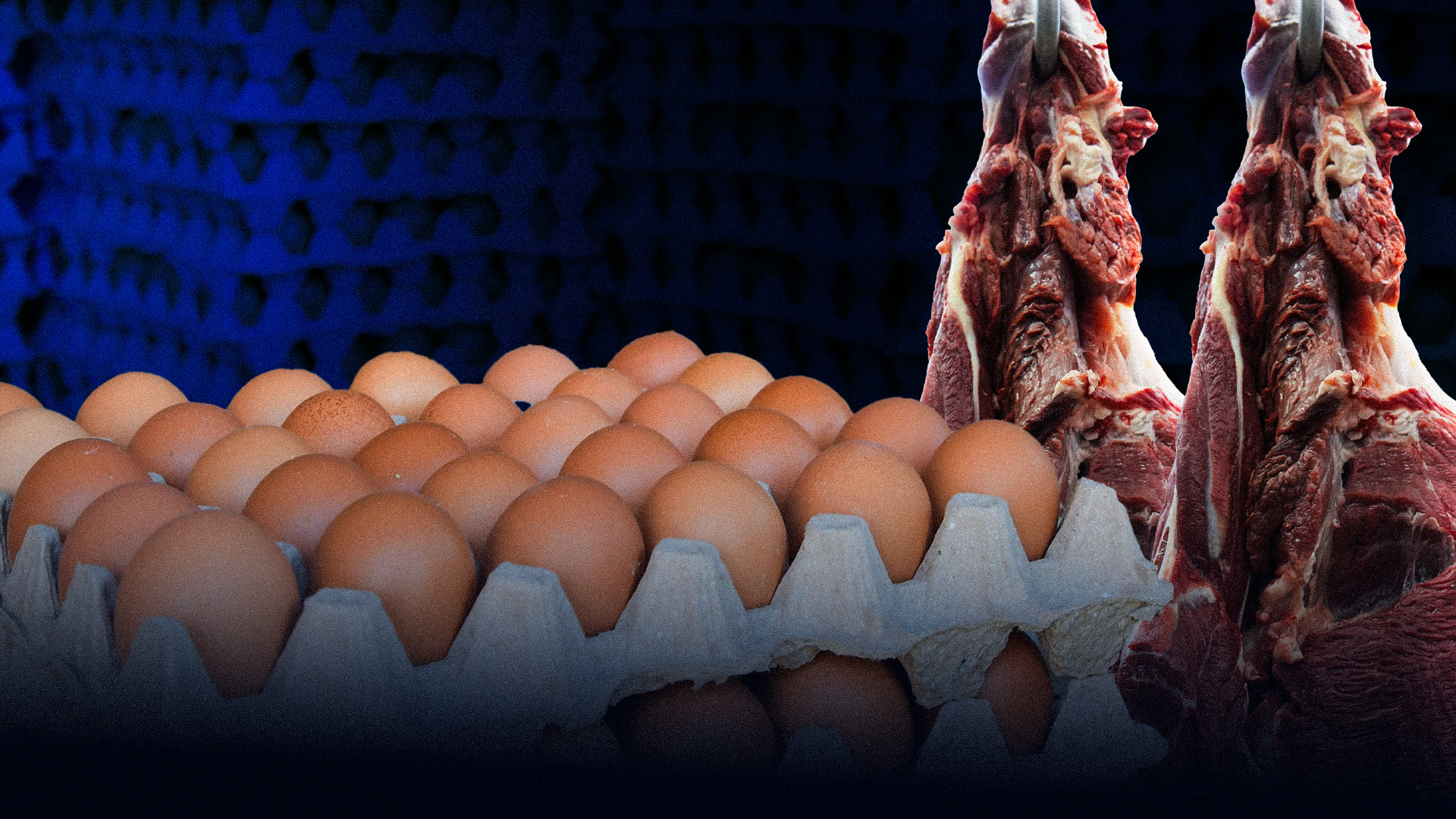
Iraq has begun waiving customs duties on imported eggs, poultry, livestock, and medicines.
Cabinet Decision No. 576 of 2026 took effect on October 20 and runs through December 31.
The measures aim to increase supplies and ease pressure on household budgets.
The impact on consumer prices remains uncertain as the dinar faces depreciation pressures.
Iraq has begun implementing temporary customs duty exemptions on imported eggs, poultry, live animals, and medicines in an effort to ease pressure on consumers, as prices of essential goods continue to rise amid the Iraqi dinar’s depreciation.
Key Statements and Focus Area
Implementation: According to information obtained by Channel8, the General Customs Authority began enforcing Cabinet Decision No. 576 of 2026 on October 20, with exemptions scheduled to remain in effect until December 31.
Market supplies: The government says the measure is intended to facilitate imports, increase the availability of essential goods, and help stabilize prices.
Inflation concerns: Despite earlier import and tax measures, consumer prices have continued to rise, highlighting uncertainty over how quickly customs exemptions may affect retail costs.
Customs Exemptions Take Effect
The Iraqi General Customs Authority has started implementing the Cabinet decision, which removes customs duties on imported eggs, chicken, live animals, and medicines. Customs clearance and related procedures are also to be facilitated to support implementation.
The Council of Ministers approved the measures on October 13 as part of efforts to reduce the financial burden on consumers following the depreciation of the Iraqi dinar against the US dollar.
Wider Measures to Control Prices
The government has also authorized imports of tomatoes, potatoes, and onions to help address price increases in local markets. These steps are intended to improve the availability of basic food items and protect lower-income households.
However, prices of essential goods have continued to increase despite the measures. The extent to which the temporary exemptions will reduce retail prices will depend on how import costs, exchange rates, and market conditions affect the prices paid by consumers.
FYI
The Iraqi dinar’s official exchange rate and its market rate against the US dollar can differ. Businesses that rely on imports may face higher costs when obtaining foreign currency at less favorable rates, potentially affecting prices for food, medicine, and other goods.
Customs duty exemptions reduce certain costs associated with importing products, but they do not automatically guarantee lower retail prices. The final effect depends on factors including supply, transport costs, exchange rates, and whether importers and retailers pass savings on to consumers.
Dive Deeper: Handpicked Stories for You
Follow Channel8 for continuous updates:
CBI Clears Backlogged Import Transfers Following Policy Adjustment