Gold Prices Fall as Dollar Strengthens and Rate Hike Bets Rise
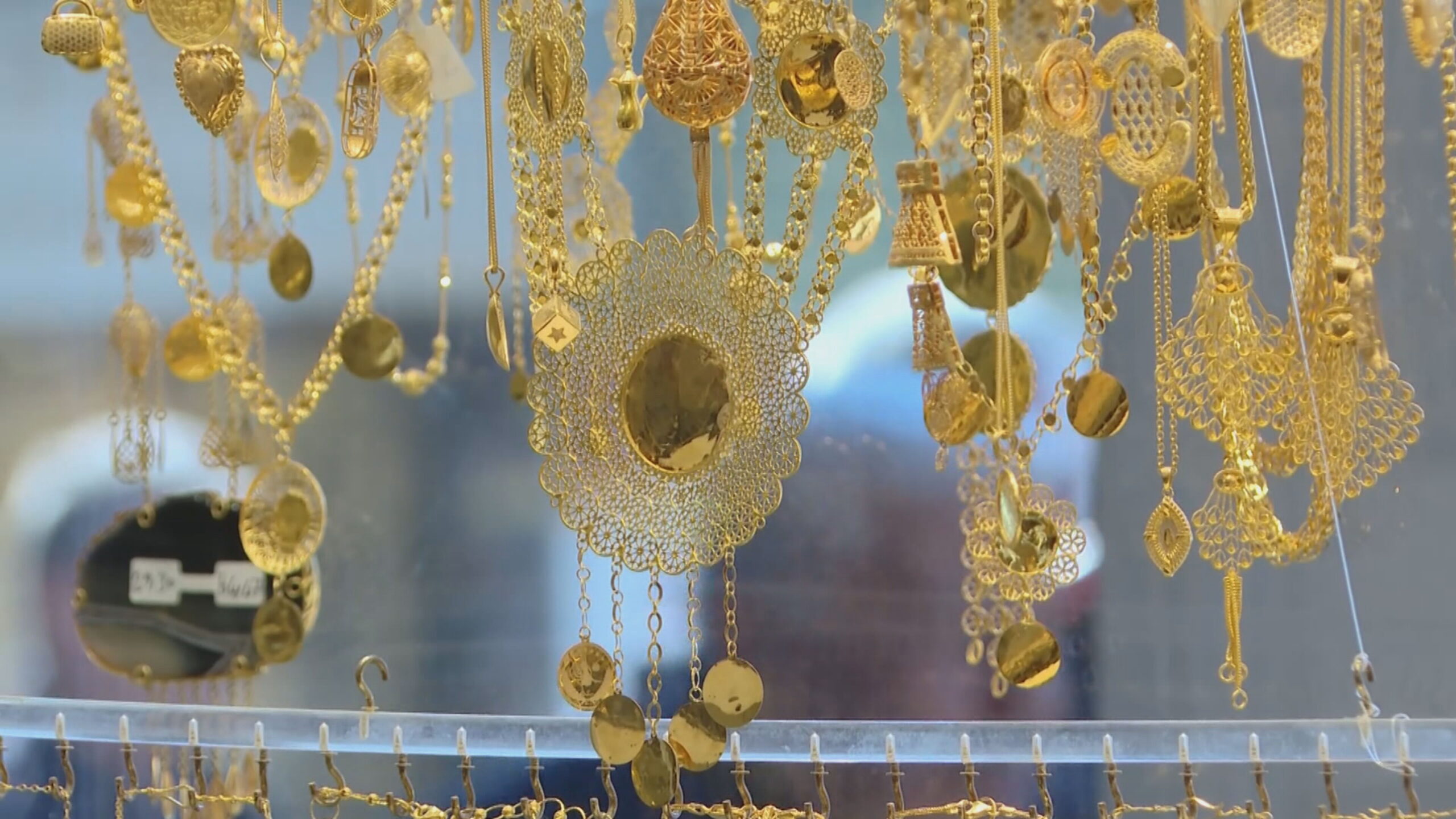
At a Glance
- Gold fell 0.6% to around $4,350 per ounce after reaching an intraday low of $4,322.
- A stronger U.S. dollar and expectations of tighter monetary policy weighed on gold demand.
- CME Group data cited in the supplied report shows 88% of traders expecting a December interest rate hike.
- In Iraq, gold prices remain closely linked to global prices and the parallel dollar exchange rate.
Gold prices fell as the U.S. dollar strengthened and traders increased expectations of tighter monetary policy, while Iraq’s gold market continues to reflect movements in both the global ounce price and the local dollar exchange rate.
Key Statements and Focus Area
- Global Gold: Spot gold fell 0.6% to around $4,350 per ounce after dropping to $4,322.
- Rate Expectations: The supplied CME Group data shows 88% of traders expecting a U.S. interest rate hike in December.
- Iraq Market: Changes in the global gold price and the parallel dollar rate can combine to push local gold prices higher.
Gold Retreats in Global Markets
The decline in gold followed an initial drop of more than 1%, leaving spot gold down around 0.6%.
The U.S. dollar also rose against major currencies to a two-month high, making gold more expensive for holders of other currencies. The retreat comes as markets assess expectations for U.S. monetary policy and the possibility of higher interest rates in December.
Inflation and Interest Rate Expectations
Neel Kashkari, president of the Federal Reserve Bank of Minneapolis, has warned about persistent inflation across sectors of the U.S. economy. Higher interest rates can weigh on gold by increasing the appeal of yield-bearing assets.
Analysts Watch for Buying Opportunities
TD Securities analysts expect any temporary decline in gold prices to remain limited and say traders could view short-term dips as buying opportunities.
The supplied analysis also identifies persistent inflation, higher energy costs, and geopolitical tensions involving the United States, Israel, and Iran as factors supporting continued demand for gold as a safe haven. Gold prices have remained volatile amid the conflict and movements in energy markets.
Iraq's Gold Market
Gold prices in Iraq and the Kurdistan Region are influenced not only by the international price of gold but also by the local dollar exchange rate.
When the global ounce price rises at the same time as the dollar strengthens against the dinar in the parallel market, local gold prices can experience a combined increase.
Channel8 has reported that the gap between Iraq’s official exchange rate and parallel market rates continues to affect prices and commercial activity.
Shift From Jewelry to Bullion
The supplied market assessment indicates that high gold prices and increased crafting fees have reduced demand for jewelry. At the same time, demand for gold coins and bullion bars has increased as some buyers seek to preserve the value of their dinar holdings.
The Iraq Future Foundation for Economic Research expects gold to remain supported over the medium term as central banks continue purchasing gold reserves and regional tensions remain elevated, according to the supplied report.
Economic experts cited in the report advise against rushing to convert capital into gold during sharp price increases. They also recommend considering raw gold bars to avoid jewelry crafting costs and diversifying savings across different assets.
Dollar Rate and Local Prices
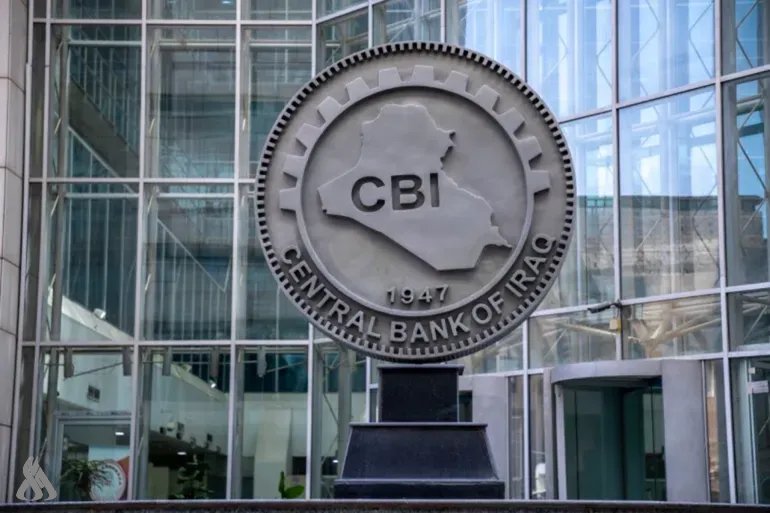
The parallel dollar rate remains an important factor in determining imported commodity prices in Iraq. CBI’s official rate remains unchanged, while parallel market rates in the Kurdistan Region have traded substantially higher. This difference means movements in the dollar market can directly affect the dinar value of gold traded in Baghdad, Erbil, and Slemani.
FYI
In Iraq and the Kurdistan Region, domestic gold prices operate under a unique dual-pressure dynamic that diverges significantly from standard global exchange models.
While international spot gold is dictated by Federal Reserve monetary policy, U.S. dollar strength, and global macroeconomic indicators, retail rates across markets in Slemani, Erbil, and Baghdad are pegged directly to the informal black market exchange rate for the U.S. dollar. Because the official Central Bank of Iraq rate remains insulated from open-market transactions, local gold dealers calculate daily prices using the higher parallel market rate.
Consequently, when global gold prices rise simultaneously with local dollar volatility, domestic buyers experience a compounded price spike. This persistent gap between official and informal exchange mechanisms has transformed consumer behavior, prompting a distinct shift away from commercial jewelry toward raw bullion bars and coins as households seek a direct hedge against local currency depreciation.
Dive Deeper: Handpicked Stories for You
Follow Channel8 for continuous updates:
Central Bank Says Foreign Reserves Meet Foreign Currency Demand