Iraq Routes 570,000 Barrels Daily to Ceyhan Amid Strait of Hormuz Disruptions
At a Glance
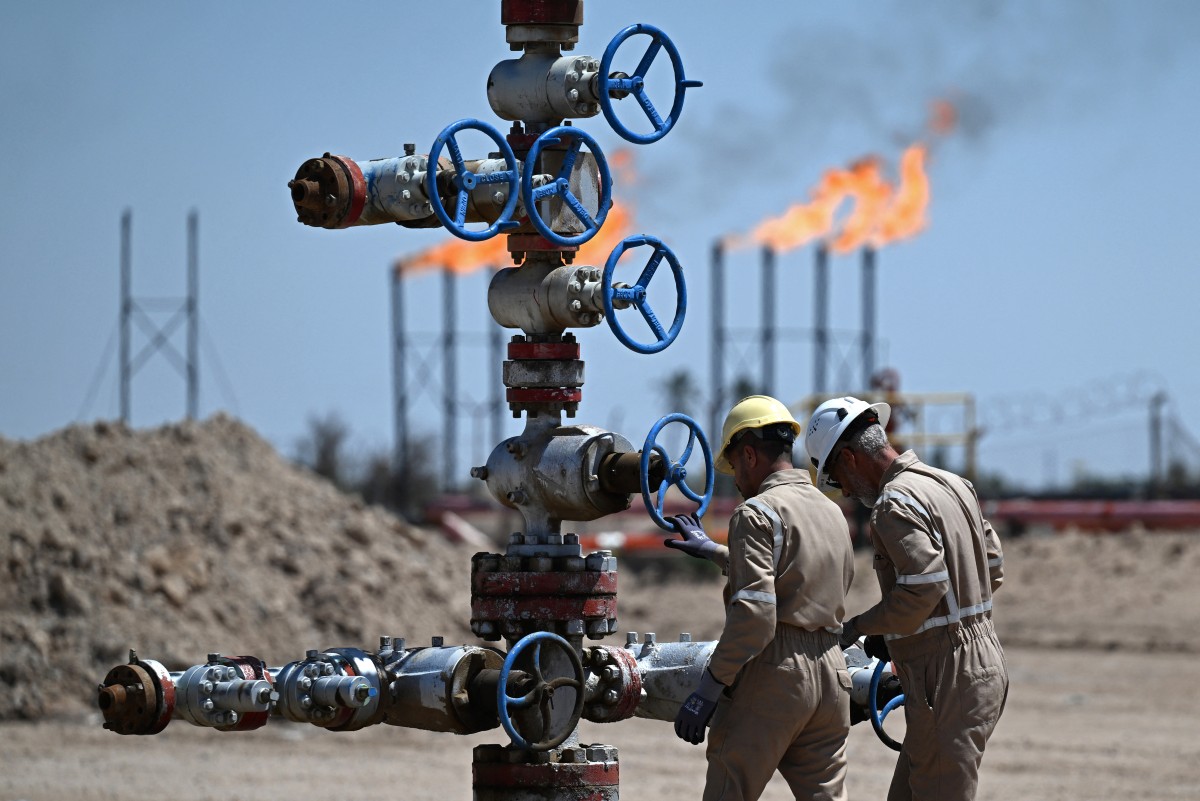
Iraq sends 570,000 daily barrels to Ceyhan amid Hormuz shipping risks.
Basra crude sells at a $37 discount to intermediary firms.
Kurdistan Region pipeline carries 450,000 barrels daily toward Ceyhan.
Aging pipeline pressure limits reaching 750,000 barrels per day.
Disruptions and shipping risks in the Strait of Hormuz amid the Israel-US conflict with Iran have pushed Iraq to reroute crude exports toward Turkey's Ceyhan port and sell Basra oil at a $37 discount per barrel. Rather than selling directly at daily market rates through SOMO as before, Baghdad is relying on intermediary companies and domestic firms as marine mines, higher tanker insurance costs, and restricted maritime traffic reshape its export strategy.
Export Volumes, Deals, and Domestic Refineries
Current Flows to Ceyhan: Iraq exports 570,000 barrels per day to Ceyhan, including 450,000 barrels through the Kurdistan Region pipeline and 120,000 barrels via the Iraq-Turkey pipeline, which resumed operation on November 16.
Kurdistan and Basra Breakdown: The 450,000-barrel flow comprises 60,000 barrels from Kirkuk fields, 210,000 barrels from Kurdistan Region fields, and 180,000 barrels from Basra after 70,000 of Kar's 250,000 daily Basra barrels go to the Kawrgosk refinery.
Local Firms and Refining: Under energy agreements signed with Turkey on July 30 and October 2, setting a $1.62 per-barrel transit fee, Iraq works with Kar and Qaiwan to move discounted Basra crude by tanker toward North Oil Company storage and Khurmala, settling monthly by having them refine crude at Bazian and Kawrgosk for Baghdad, though Qaiwan has bought no Basra crude for 15 days and only moves crude received from Baghdad for refining.
Expansion Plans and Technical Hurdles
Path to Higher Output: Baghdad is trying to move crude by tanker to the IT1A station and negotiating for Norway's DNO, producing over 80,000 barrels daily outside the tripartite deal, to join so Kurdistan exports could reach 300,000 barrels per day by early next year.
Aging Pipeline Strain: Pushing oil from near Sharqat to the PS3 station 235 kilometers inside Turkey requires high pressure that strains the aging 46-inch pipeline, making the 750,000-barrel target difficult in the near term.
Transit Cost Pressure: Iraq is pushing to hit 750,000 barrels daily by early next year to keep its transit cost at $1.62 per barrel, as lower volumes can push transport costs toward $2.
Escalating maritime risks in the Strait of Hormuz, driven by marine mines, surging tanker insurance rates, and shipping restrictions amid the Israel-US conflict with Iran, have forced Baghdad to overhaul how it markets and exports its crude. Instead of selling Basra oil directly at daily market prices through the State Organization for Marketing of Oil (SOMO) as it did prior to the conflict, Iraq is selling Basra crude at a $37 discount per barrel to intermediary firms with proceeds deposited directly into the oil ministry's account. Turning toward Turkey's Ceyhan terminal as a more profitable alternative, Baghdad signed energy agreements with Ankara on July 30, initially targeting one million barrels per day at Ceyhan, and on October 2, when oil ministers agreed on a 750,000-barrel-per-day export benchmark and a $1.62 per-barrel transit fee that Iraq must pay to Turkey even if zero barrels are exported.
To build up volumes toward Ceyhan, Iraq has combined pipeline flows with tanker transport and local refining arrangements under which SOMO handles logistics while domestic firms Kar and Qaiwan settle accounts monthly by refining crude for Baghdad at the Bazian and Kawrgosk refineries instead of paying cash. Currently, 570,000 barrels per day reach Ceyhan: 450,000 barrels via the Kurdistan Region pipeline, made up of 60,000 barrels from Kirkuk fields, 210,000 barrels from Kurdistan Region fields, and 180,000 barrels of Basra crude, alongside 120,000 barrels through the Iraq-Turkey pipeline, which restarted on November 16. According to North Oil Company sources, Kar buys 250,000 barrels of discounted Basra crude daily and sends 70,000 barrels to the Kawrgosk refinery while moving the rest toward Khurmala and Ceyhan, whereas Qaiwan has purchased no Basra crude for 15 days and only transports crude received from Baghdad for refining.
Reaching the agreed 750,000-barrel daily export target by early next year remains challenging due to both commercial negotiations and physical pipeline constraints. Alongside hauling oil by tanker to the IT1A station, Baghdad and regional authorities are pressing for Norway's DNO, which pumps more than 80,000 barrels per day outside the tripartite agreement between the Kurdistan Ministry of Natural Resources, the Iraqi Oil Ministry, and oil companies, to join the arrangement, a move that could lift Kurdistan exports to 300,000 barrels per day by the start of the new year. At the same time, pumping oil from near Sharqat to the PS3 station 235 kilometers inside Turkey demands high pressure that threatens the aging 46-inch pipeline, while failing to hit 750,000 barrels daily risks raising per-barrel transit costs toward $2 rather than keeping them at $1.62.
FYI
SOMO is Iraq's State Organization for Marketing of Oil, which manages crude oil sales and export logistics on behalf of the Iraqi Ministry of Oil.
Dive Deeper: Handpicked Stories for You
Follow Channel8 for continuous updates: