Former FBI Director James Comey Faces Third Trump-Era Prosecution
At a Glance
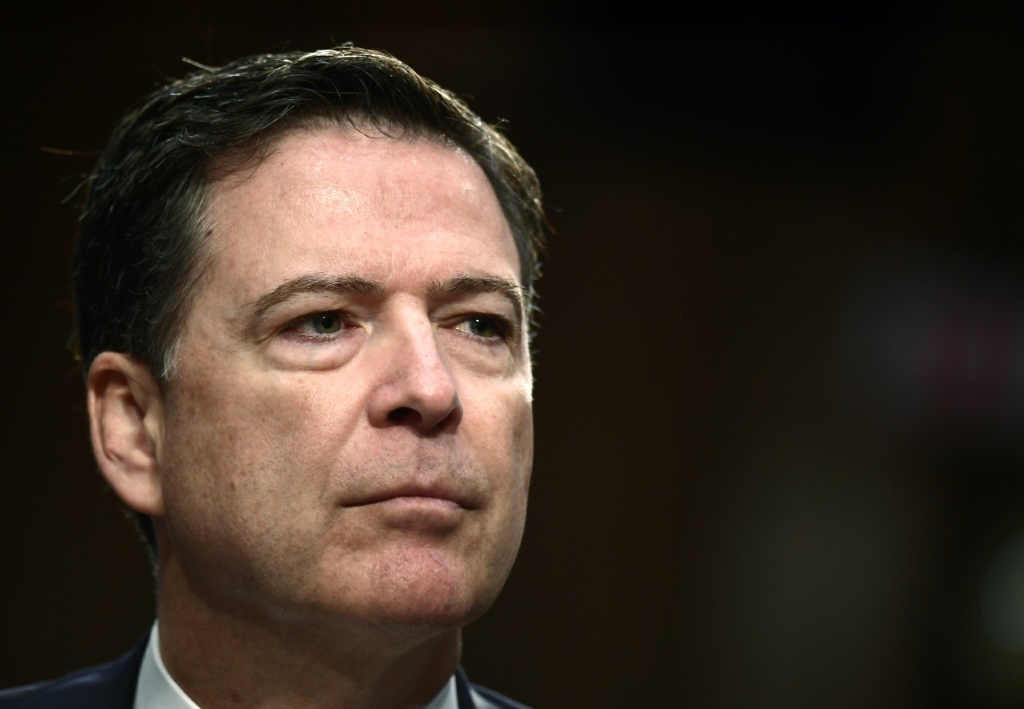
Former FBI Director James Comey faces two counts alleging the unlawful transmission of national defense information and conspiracy to transmit it.
Prosecutors allege he directed an individual to disclose the information to a New York Times reporter in October 2016.
Comey denies wrongdoing, calling the case an abuse of the Justice Department.
The latest case follows two other criminal cases brought against Comey during President Donald Trump’s second administration.
Former FBI Director James Comey faces a third criminal case brought by the Trump administration, with federal prosecutors accusing him of directing the disclosure of national defense information to a journalist in October 2016. Comey denies the allegations, while his lawyers are challenging the legal basis of the latest proceedings.
Key Statements and Focus Areas
James Comey — Former FBI Director
In a video statement posted online, Comey said:
“It would almost be funny if it weren’t such an appalling abuse of the Department of Justice.”
He also declared:
“Nothing’s changed with me. I’m still innocent. I’m still not afraid of these people, and I still believe in the independent federal judiciary.”
Comey’s lawyer, Patrick Fitzgerald, said the allegations had previously been examined by the government without resulting in criminal charges against anyone. The defense has asked a judge to dismiss the latest case.
The Justice Department’s Allegations
Prosecutors allege Comey knowingly transmitted national defense information to someone not authorized to receive it.
The filing also alleges that he directed an unidentified individual to disclose the information to a reporter for a national news publication.
The case concerns alleged conduct in October 2016, when Comey was leading the FBI.
Legal Challenges
The charges were filed in a criminal information, rather than through a grand jury indictment.
Prosecutors say the filing was intended to preserve the case before the 10-year statute of limitations expired while they seek a grand jury indictment.
Comey’s lawyers argue the filing is legally insufficient and have sought dismissal.
The US Justice Department has brought a new criminal case against James Comey, accusing the former FBI director of directing the disclosure of national defense information to a journalist nearly a decade ago.
Court documents made public on Monday, October 26, allege that Comey directed an unidentified individual to provide the information to a reporter for a national news publication in October 2016. The material was reportedly published in The New York Times.
The filing lists two counts relating to the transmission of national defense information and conspiracy to transmit it. However, the latest case has not yet proceeded through a grand jury indictment. Prosecutors filed the criminal information on October 5, seeking to preserve the case as the 10-year statute of limitations approached its expiration.
Comey rejected the allegations in a video statement, maintaining his innocence and accusing the Justice Department of abusing its authority. His lawyer, Patrick Fitzgerald, has also challenged the legal basis of the proceedings and asked the court to dismiss the case.
The latest action marks the third criminal case brought against Comey during Trump’s second administration. In September 2025, he was charged over statements made to Congress. A federal judge later dismissed that case after finding that the prosecutor who brought it had been unlawfully appointed. The Justice Department appealed the dismissal.
In April 2026, Comey faced a separate case in North Carolina over an Instagram photograph showing seashells arranged as “86 47.” Prosecutors alleged that the post threatened President Trump, while Comey’s lawyers disputed that interpretation. That case remains separate from the latest national defense information allegations.
FYI
The latest case places renewed scrutiny on the Justice Department’s prosecution of a former senior law enforcement official who has become a prominent critic of Trump. Comey led the FBI from 2013 to 2017 and was dismissed by Trump in May 2017, while the bureau was investigating Russian interference in the 2016 US election.
The new allegations concern conduct from 2016 and remain unresolved. The distinction between a prosecutor-filed criminal information and a grand jury indictment is significant: prosecutors say they are seeking an indictment, while Comey’s lawyers are contesting whether the current filing can legally preserve the case. The allegations have not been proven in court.
Dive Deeper: Handpicked Stories for You
Follow Channel8 for continuous updates:
Justice Department Releases New FBI Files Alleging Trump Assault Linked to Epstein
FBI Raids John Bolton’s Home and Office in Classified Documents Probe
.jpg)