Slemani Currency Market Spokesperson Explains Recent Iraqi Dinar Exchange Drop
At a Glance
Delayed bank remittances from pre-devaluation contracts forced merchants to buy dollars on the open market, driving rates higher.
Heavy inflows of high-denomination dinar notes and political tensions surrounding Jurf al-Sakhar added further pressure on exchange markets.
Public trust in the dinar has weakened alongside media-driven panic, prompting the Central Bank of Iraq to clear backlogged import transfers.
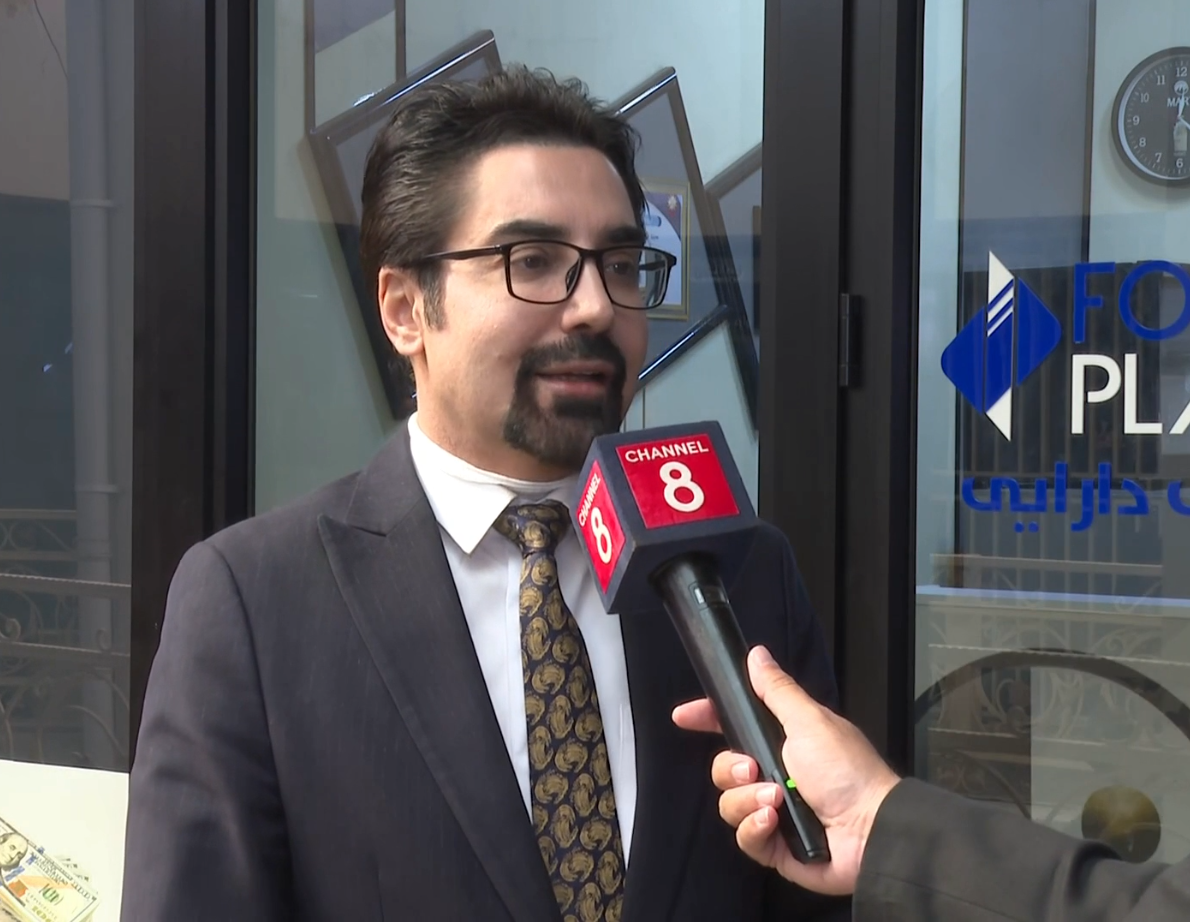
Slemani Currency Market spokesperson Jabar Goran stated that delayed bank remittances, heavy inflows of dinars into exchange markets, political tensions, and media-driven panic have combined to push the U.S. dollar higher against the Iraqi dinar in recent days.
Key Statements and Focus Area
Addressing the reasons behind the weakening of the dinar in recent days, Goran noted, “Previously, there were a number of contracts between merchants and banks to calculate their dollars at the previous exchange rate of 132 [132,000 dinars per $100].”
“Another reason is that large amounts of dinar, particularly in 25,000- and 50,000-dinar notes, are entering currency exchange markets from across the borders or from inside Iraq, both in the central and southern regions as well as the Kurdistan Region,” he added.
“On the other hand, there is the political dimension, which is currently the issue of Jurf al-Sakhar, where there is talk of widespread corruption by armed groups,” Goran explained.
He further stated that the media has played a role in creating fear and panic among the public regarding the dinar-to-dollar exchange rate.
Goran explained that large amounts of dinars had been deposited under earlier contracts, but for nearly 40 days those funds failed to reach beneficiaries or get transferred.
Consequently, some merchants withdrew those dinars while still carrying external remittance obligations, creating massive demand in the local market and pushing the dollar higher.
He noted that the heavy influx of 25,000- and 50,000-dinar notes has placed a significant burden on exchange markets across Iraq and the Kurdistan Region.
Alongside the corruption allegations in Jurf al-Sakhar, Goran said that American demands requiring armed groups, particularly the factions, “must lay down their weapons have, to some extent, created obstacles and hurdles.”
According to Goran, public confidence in the dinar has weakened slightly because the Central Bank and the Iraqi federal government have altered exchange policies, causing people to gradually lose trust.
He added that certain media outlets have negatively affected market and public psychology by spreading propaganda and inaccurate analyses.
FYI
Goran's remarks come nearly a month after the Central Bank of Iraq (CBI) announced on October 20, that it had cleared all backlogged import transfer requests suspended prior to the exchange rate adjustment, when the official rate was devalued from 1,320 to 1,520 dinars per U.S. dollar.
That sudden policy shift had stranded hundreds of merchant transactions after commercial banks demanded that importers pay the new exchange-rate difference out of pocket, sparking protests by major traders outside the CBI headquarters in Baghdad.
In its recent directive, the Central Bank confirmed it completed processing eligible pre-October 7 import requests at the previous rate, urged traders to verify their transfers with their banks, and instructed businesses to report any unjustified delays or unauthorized fees through its official electronic complaints platform.
While the CBI reaffirmed its commitment to monitoring bank compliance and maintaining steady foreign currency supplies for import financing, strong demand for physical dollars has continued to drive parallel market exchange rates higher across Iraq.
Dive Deeper: Handpicked Stories for You
Follow Channel8 for continuous updates:
CBI Tells Channel8: US Dollar Reserves Remain Sufficient
Iraq Expects $500 Million as Adviser Predicts Dinar Appreciation
CBI Clears Backlogged Import Transfers Following Policy Adjustment
CBI Denies Rejecting 600 Billion Dinars, Reaffirms Old Exchange Rate
CBI Strictly Monitors Banks Over Exchange Rate Fees After October 7 Adjustment
 (1).webp)