“We Are in a Silent Economic War”: Pezeshkian Warns of Iran’s Economic and Energy Challenges
At a Glance
Iranian President Masoud Pezeshkian says economic pressure on Iran is more difficult than a military conflict involving missile strikes.
He describes the situation as an unequal economic war and credits domestic producers and investors with keeping production running.
Pezeshkian warns that damage to gas production infrastructure could worsen energy shortages during the coming winter.
His remarks come as Washington continues its sanctions campaign against Tehran under Operation Economic Outcast.
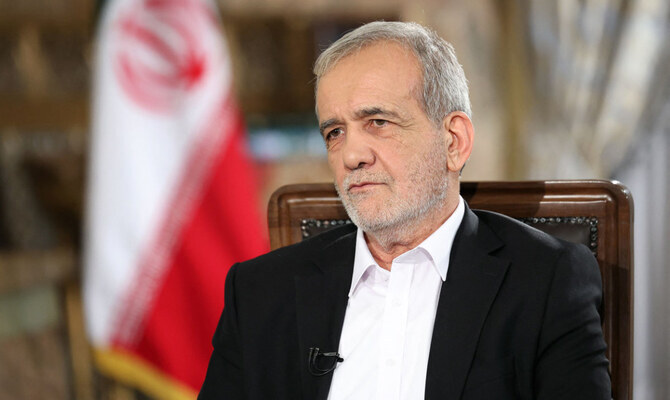
Iranian President Masoud Pezeshkian has described the economic pressure facing his country as a “silent economic war” more difficult than military confrontation, while warning of further energy supply challenges during the coming winter.
Key Statements and Focus Areas
Economic Pressure and Domestic Production
Speaking at the annual Capital Market Conference in Tehran on Saturday, Pezeshkian said:
“We are engaged in a silent economic war, a struggle that is much harder than a war in which missiles are fired and destruction takes place.”
He described the pressure as unequal and unfair, saying Iran's adversaries had expected widespread shortages and market disruption.
However, he credited Iranian producers, investors and economic actors with maintaining production despite the difficult conditions.
Winter Energy Shortages
Pezeshkian acknowledged that Iran was already facing an imbalance between energy production and consumption before the recent conflict.
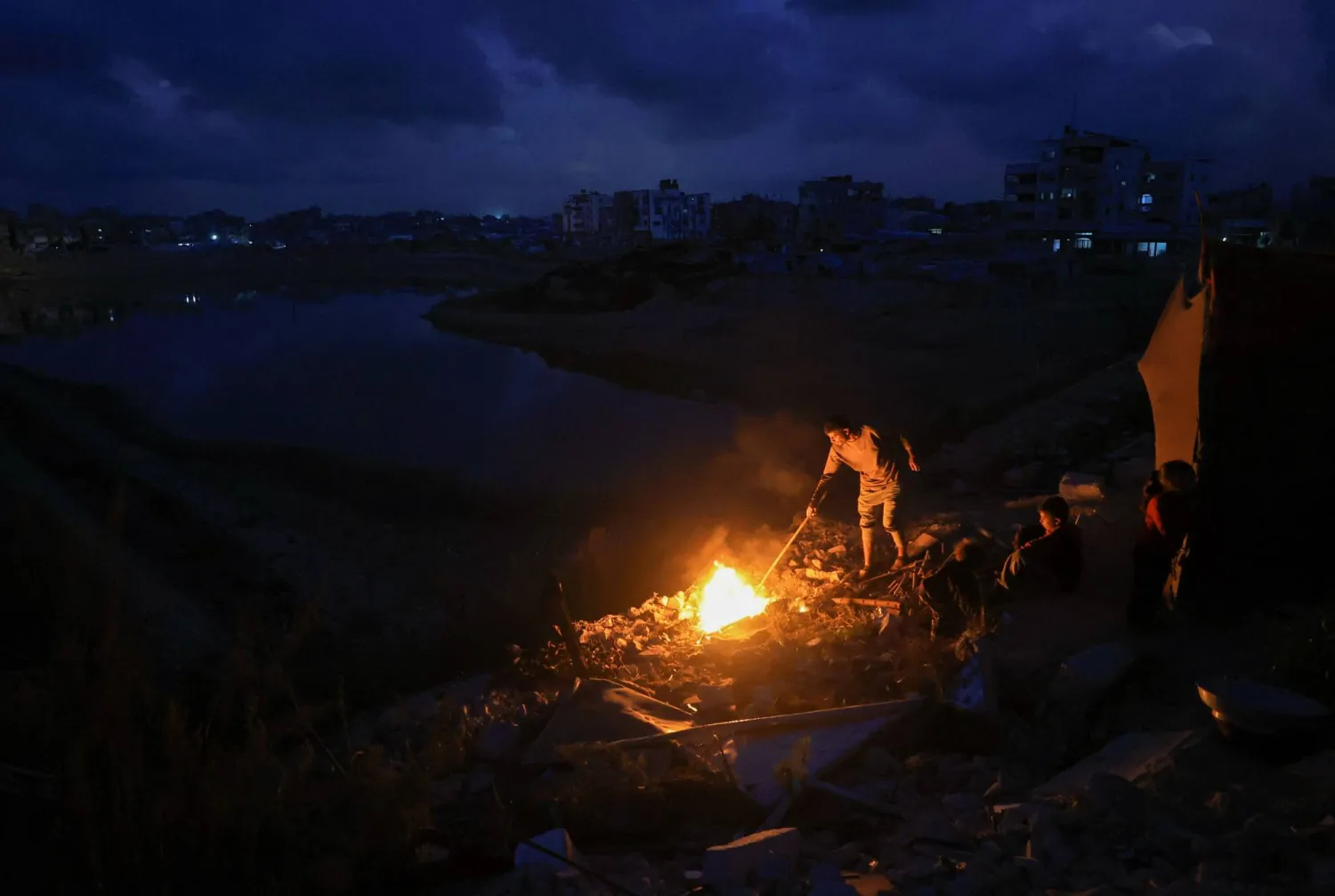
He said damage to gas production infrastructure had worsened the situation and warned that the country could face further difficulties supplying gas and electricity during winter.
He also outlined the government's priorities:
Keep factories and production facilities operating for as long as possible.
Make government institutions bear electricity restrictions before industrial facilities.
Improve energy consumption management to reduce pressure on supplies.
Avoid disruptions that could affect employment and industrial activity.
Criticism of State-Owned Companies
The Iranian president also criticized the continued losses of some state-owned companies, arguing that poor management and inefficiency were adding to the country's financial burden.
He called for improved institutional performance and an end to the continued allocation of public funds to persistently loss-making enterprises.
Washington's Economic Pressure Campaign
Pezeshkian's remarks come as the United States continues tightening sanctions against Iran.
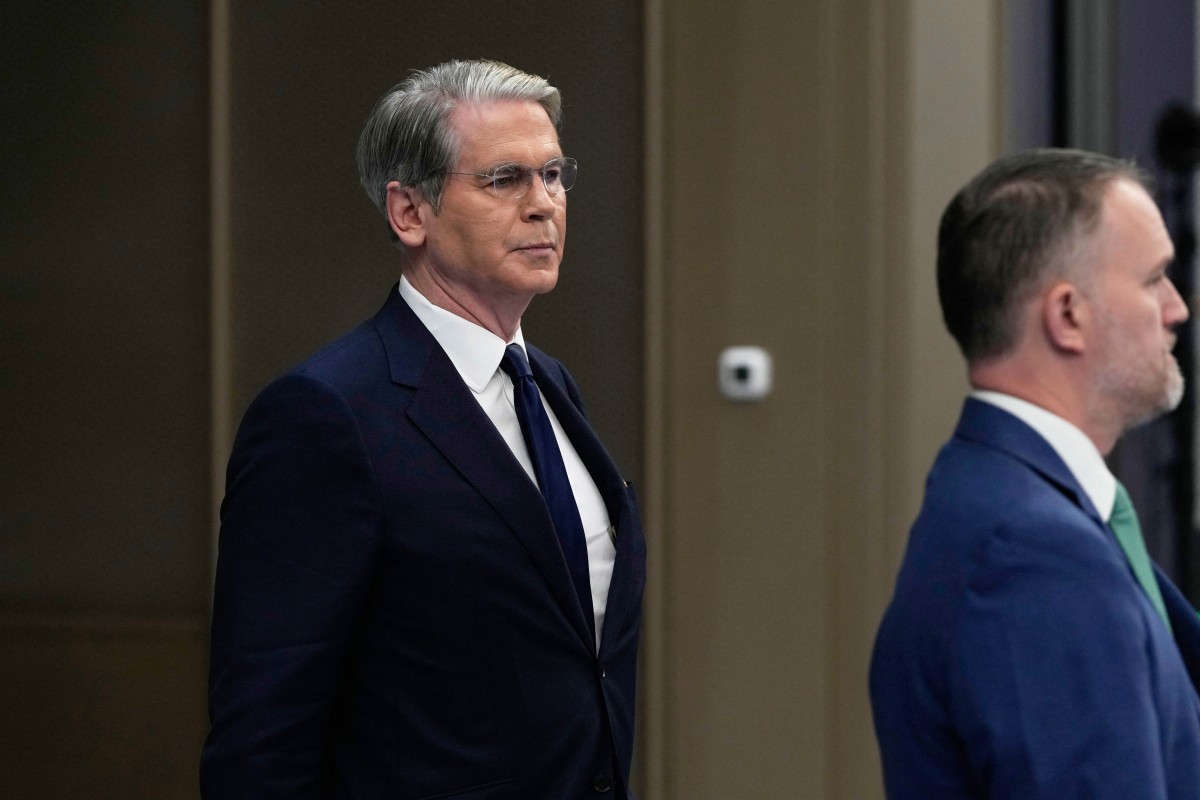
On August 24, US Treasury Secretary Scott Bessent announced Operation Economic Outcast, a campaign targeting Iran's financial connections and entities involved in supporting its economy and oil trade.
Washington says the campaign is intended to restrict Tehran's access to international financial networks and oil revenues.
Iranian President Masoud Pezeshkian has acknowledged the severity of the economic challenges facing his country, describing the pressure as a “silent economic war” that he said is more difficult than a military conflict involving missile strikes and physical destruction.
Speaking at the annual Capital Market Conference in Tehran on Saturday, Pezeshkian characterized the confrontation as unequal and unfair, arguing that external pressure was aimed at weakening Iran's economic resilience.
According to Iran's official news agency, IRNA, he said Iran's adversaries had expected severe shortages of essential goods and widespread disruption in domestic markets.
However, Pezeshkian said production had continued despite the difficult circumstances, praising investors, manufacturers and other economic actors for maintaining activity and helping meet domestic demand.
The president's remarks also addressed the country's growing energy concerns ahead of winter.
He said Iran had already been experiencing an imbalance between energy production and consumption before the recent conflict, but damage to gas production infrastructure had further reduced the country's capacity and aggravated the problem.
Pezeshkian warned that Iran could encounter additional difficulties in supplying gas and electricity during the winter months, adding that his government was preparing measures to manage the situation and prevent disruptions to production.
He stressed that industrial facilities should be among the last sectors subjected to energy restrictions if shortages occur. Government institutions, he said, should face electricity cuts before factories, emphasizing the importance of maintaining production and protecting employment.
The president also criticized the management of some state-owned companies, questioning why enterprises that continue to record losses should receive further financial support from public resources. He argued that poor management was contributing to budgetary pressures and called for greater efficiency.
The economic challenges come as Washington continues its pressure campaign against Tehran. In August, the US Treasury Department launched Operation Economic Outcast, targeting Iran's financial networks and entities accused of facilitating its oil trade and helping it evade sanctions.
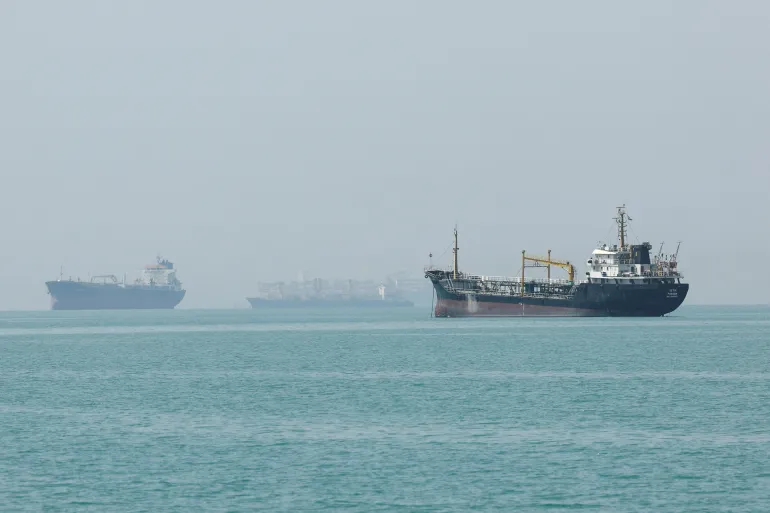
The pressure campaign forms part of the broader confrontation between Washington and Tehran, which has also involved disputes over Iran's nuclear program, regional security and maritime navigation through the Strait of Hormuz.
Pezeshkian's comments highlight the economic and energy pressures facing his administration as it prepares for winter, while attempting to maintain industrial production and manage the effects of sanctions and wartime damage to infrastructure.
FYI
Iran's economic difficulties reflect the combined impact of long-standing structural problems, international sanctions and damage to energy infrastructure during the conflict. The country's gas shortages are particularly significant because they threaten both household supplies and industrial production. Reuters reported on November 11 that Iran's projected gas shortfall could reach 430 million cubic metres during the coming winter, compared with around 300 million cubic metres in previous years. Four gas-processing plants were damaged during the conflict, although some capacity has since been restored.
The challenge for Tehran is therefore not limited to resisting external economic pressure. It also involves managing domestic energy demand, addressing inefficiencies in state-owned enterprises and preventing supply shortages from further affecting production and living conditions. Meanwhile, Washington's Operation Economic Outcast signals its continued effort to restrict Iran's financial and oil revenues.