Al-Zaidi Orders Expedited Reopening of Closed Roads in Jurf al-Sakhar
At a Glance
Iraqi Prime Minister Ali Faleh al-Zaidi ordered the expedited reopening of all closed roads in Jurf al-Sakhar on Thursday.
He stressed that state forces act as "one unified body" to assert state authority across Iraq under the Constitution.
Iraqi Prime Minister and Commander-in-Chief Ali Faleh al-Zaidi ordered the expedited reopening of all closed roads in Jurf al-Sakhar on Thursday, stressing that state forces operate as "one unified body" to assert state authority across Iraqi territory.
Key Statements and Focus Area
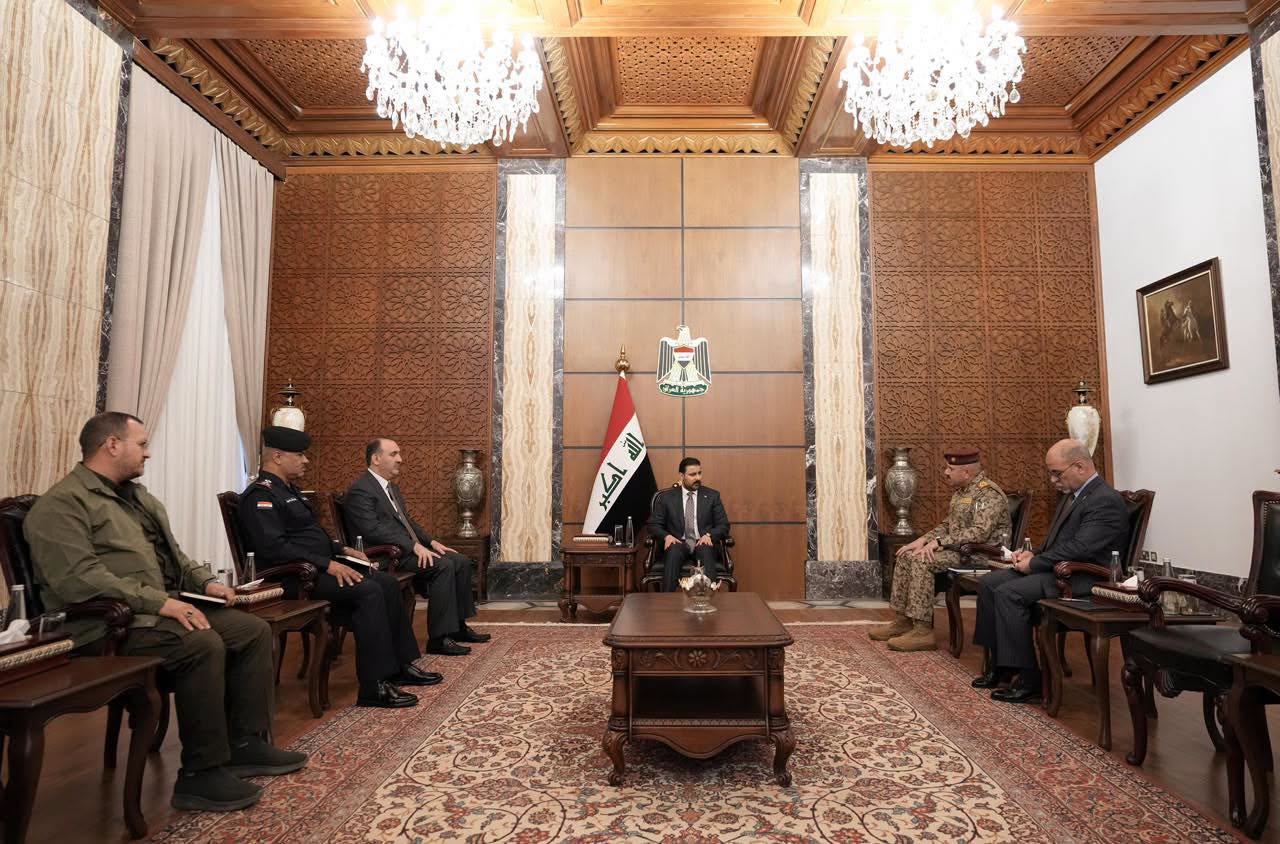
According to a statement from the Prime Minister's Media Office, al-Zaidi issued a series of directives concerning the operations of the Joint Command Headquarters in Jurf al-Sakhar during a meeting with the headquarters commander and his deputy, attended by the Minister of Interior and the Director of the Office of the Commander-in-Chief of the Armed Forces.
The directives focused on expediting the reopening of all closed roads in the subdistrict, with the Prime Minister emphasizing that the Iraqi Army and other security forces will assert state authority across all Iraqi territory in accordance with the Constitution and the law.
Al-Zaidi reiterated Baghdad's pledge to safeguard citizens' lives and interests nationwide, vowing to prevent "any violations or infringements upon public and private rights."
He also stressed that Iraq's security forces function "as one unified body," with their various branches and formations operating together in a coordinated and complementary manner.
FYI
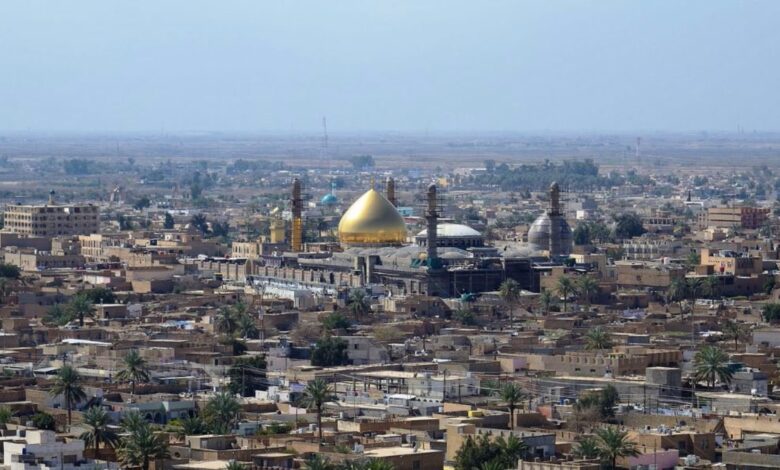
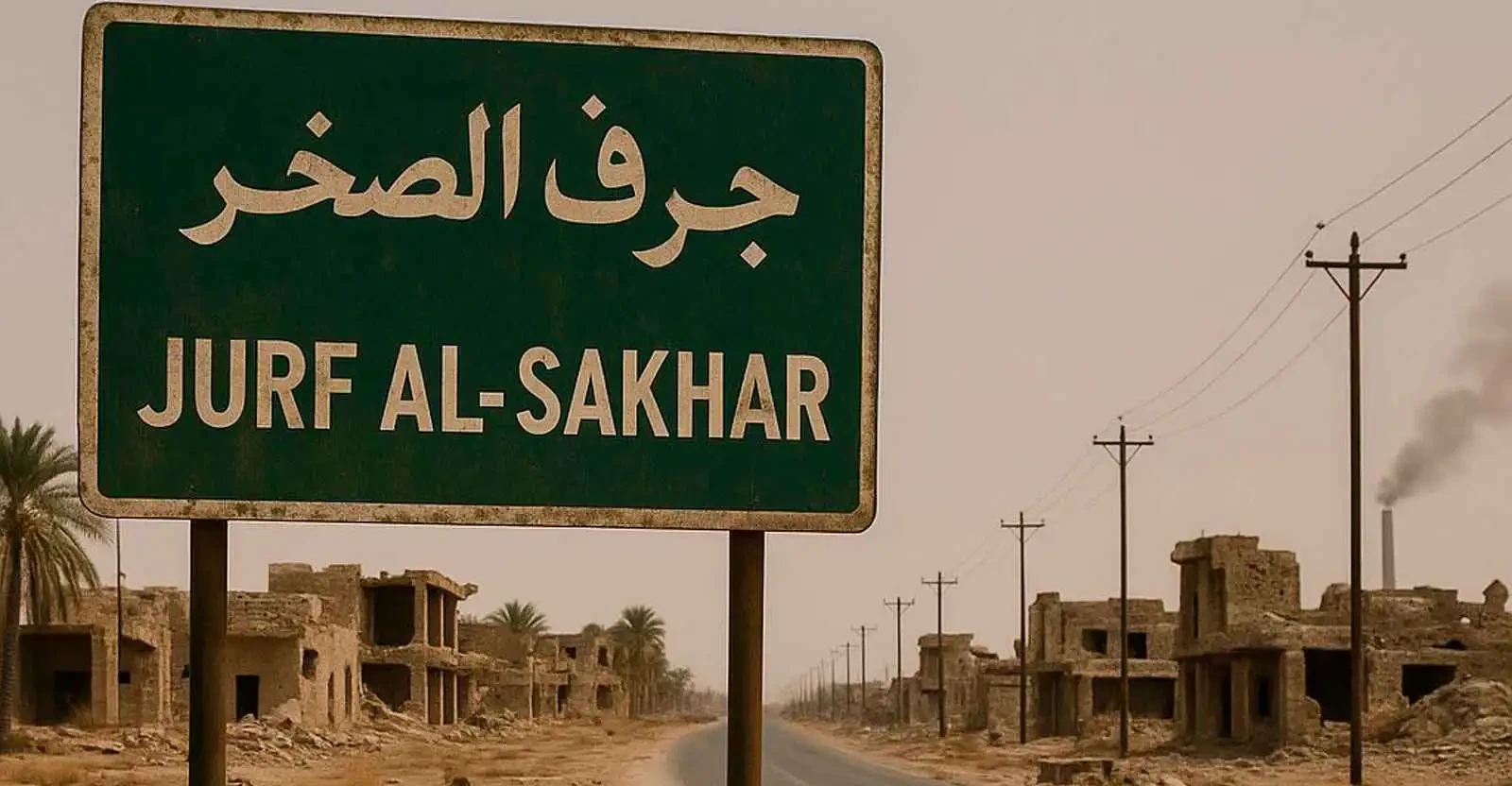
Jurf al-Sakhar lies roughly 60 kilometers southwest of Baghdad in northern Babil Governorate and has remained a restricted area largely closed to displaced residents and civilian traffic since its recapture from ISIS in 2014.
Thursday's meeting builds on a Wednesday directive issued by Staff Lieutenant General Abdul Amir al-Shammari, Director of the Office of the Commander-in-Chief, formalizing a joint security redistribution in Jurf al-Sakhar.
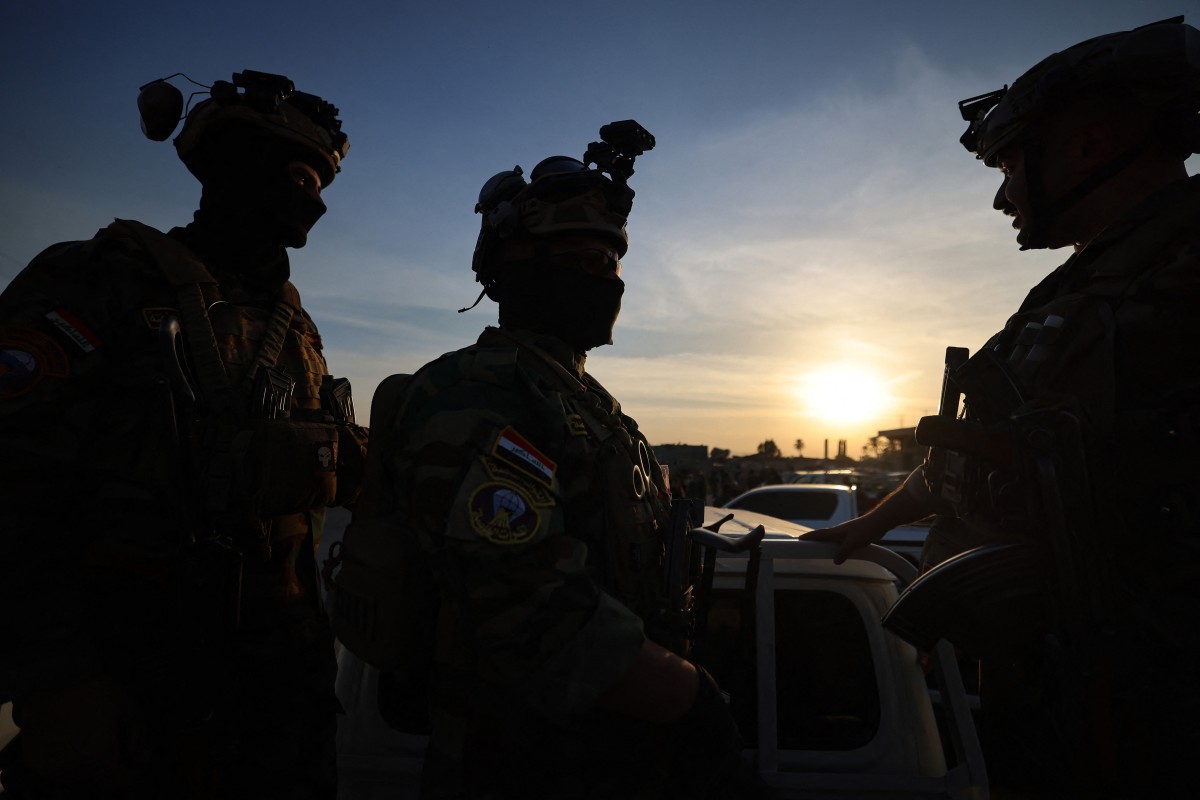
Under that plan, the Ministry of Defense's 38th Brigade (10th Division) secures the western perimeter toward Anbar, the Ministry of Interior's 17th Federal Police Brigade holds the town center, the Popular Mobilization Forces' (PMF) 72nd and 79th Brigades control the eastern sector toward Karbala, an Energy Police regiment guards regional oil pipelines, and a Counter-Terrorism Service regiment stationed at al-Hamiyah Camp acts as an emergency reserve force.
In a separate Wednesday letter to the Prime Minister's Office, PMF Chairman Falih al-Fayyadh also proposed deploying the PMF's 72nd and 79th Brigades alongside a PMF Special Forces Regiment to hold the sector while assigning pipeline protection to the Energy Police.
The security overhaul follows a corruption and oil smuggling investigation triggered in early November 2026 by a leaked Iraqi National Intelligence Service report alleging organized crude theft from pipelines in Jurf al-Sakhar dating back to 2021, which led al-Zaidi to dismiss nine senior security and oil officials.
Earlier this week, tensions escalated after Baghdad issued a withdrawal deadline for Kataib Hezbollah, prompting rival troop mobilizations before intensive mediation within the ruling Coordination Framework and regional diplomatic outreach produced the current multi-force arrangement.
FYI
Jurf al-Sakhar lies roughly 60 kilometers southwest of Baghdad in northern Babil Governorate and has remained a restricted area largely closed to displaced residents and civilian traffic since its recapture from ISIS in 2014.
The security overhaul follows a major corruption and oil smuggling investigation triggered in early November 2026 by a leaked Iraqi National Intelligence Service report alleging organized crude theft from pipelines in Jurf al-Sakhar dating back to 2021.
After field inspections by a government investigative committee uncovered pipeline tampering and unauthorized refining facilities, Prime Minister Ali al-Zaidi dismissed nine senior security and oil officials and referred suspects to the judiciary.
Earlier this week, tensions escalated after Baghdad ordered federal forces to prepare to enter the subdistrict and issued a Friday withdrawal deadline for Kataib Hezbollah, prompting rival troop mobilizations and warnings from armed faction commanders.
Wednesday's joint redeployment agreement follows intensive mediation within the ruling Coordination Framework and regional diplomatic outreach aimed at preventing armed confrontation while restoring state oversight over infrastructure and transit corridors linking Babil, Anbar, and Karbala provinces.
Dive Deeper: Handpicked Stories for You
Follow Channel8 for continuous updates:
Iraq Establishes Joint Command Headquarters in Jurf al-Sakhar Under Federal Police
Analyst: Kataib Hezbollah Has Not Agreed to Leave Jurf al-Sakhar, Deadline Extension Possible
Parliamentary Delegation Says It Found No Evidence of Oil Smuggling at Jurf al-Sakhar