U.S. Supports ‘Resilient’ Kurdistan, Urges Swift Action on Institutions
.webp)
At a Glance
The United States reaffirmed its support for a strong Kurdistan Region, calling it a vital cornerstone of the bilateral relationship.
Washington encouraged all local political factions to work swiftly and constructively to bolster the region's institutions.
The Kurdistan Region Parliament held its first session in nearly two years last Wednesday to elect its permanent legislative presidium.
The United States reaffirmed its support for a strong Kurdistan Region, describing it as a vital cornerstone of the bilateral relationship while urging all parties to cooperate to bolster institutions.
Key Statements and Focus Area
The U.S. State Department told Channel8 that Washington “supports a strong and resilient Iraqi Kurdistan Region, which remains a foundational pillar of the broader U.S.-Iraq relationship.”
The Kurdistan Region Parliament held its first session in nearly two years to elect its permanent legislative presidium; however, the meeting faced a widespread boycott by major opposing political parties.
A spokesperson for the State Department stressed that the United States encourages all parties in the Kurdistan Region “to work swiftly and constructively on matters that strengthen the region’s institutions.”
The spokesperson noted that Washington is committed to its partners across Iraq “who are working to build a truly sovereign, stable, and prosperous country.”
FYI
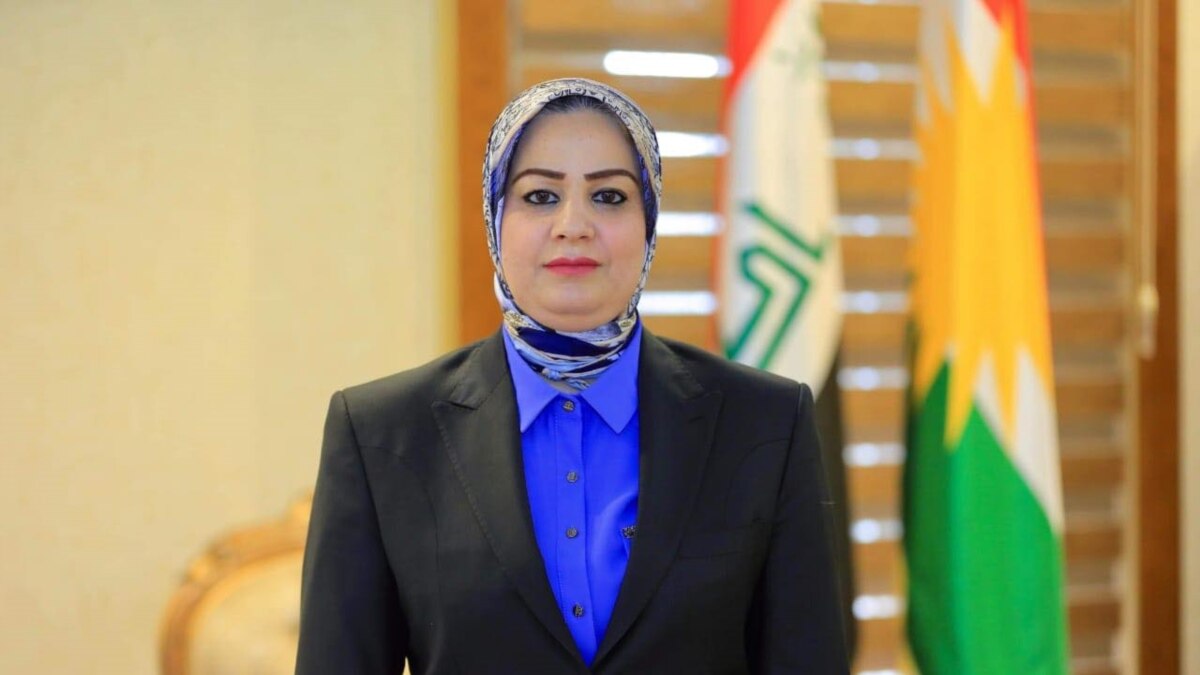
A parliamentary session last Wednesday elected Vala Fareed as Speaker, Rami Nouri as Deputy Speaker, and Muna Qahwachi as Secretary, securing a narrow legal quorum with exactly 52 votes.
This legislative update follows a highly contentious assembly that faced a sweeping official boycott from major political blocs, including the Patriotic Union of Kurdistan (PUK), the New Generation Movement, and several other factions.
The legislative session was convened by the Kurdistan Democratic Party (KDP) and minority component factions to reactivate the parliament, which had been suspended since December 2, 2024.
Following these leadership elections, the complex political landscape continues to unfold. The October 20, 2024, Kurdistan Region parliamentary elections had previously concluded with the KDP securing a 39-seat plurality and the PUK winning 23 seats.
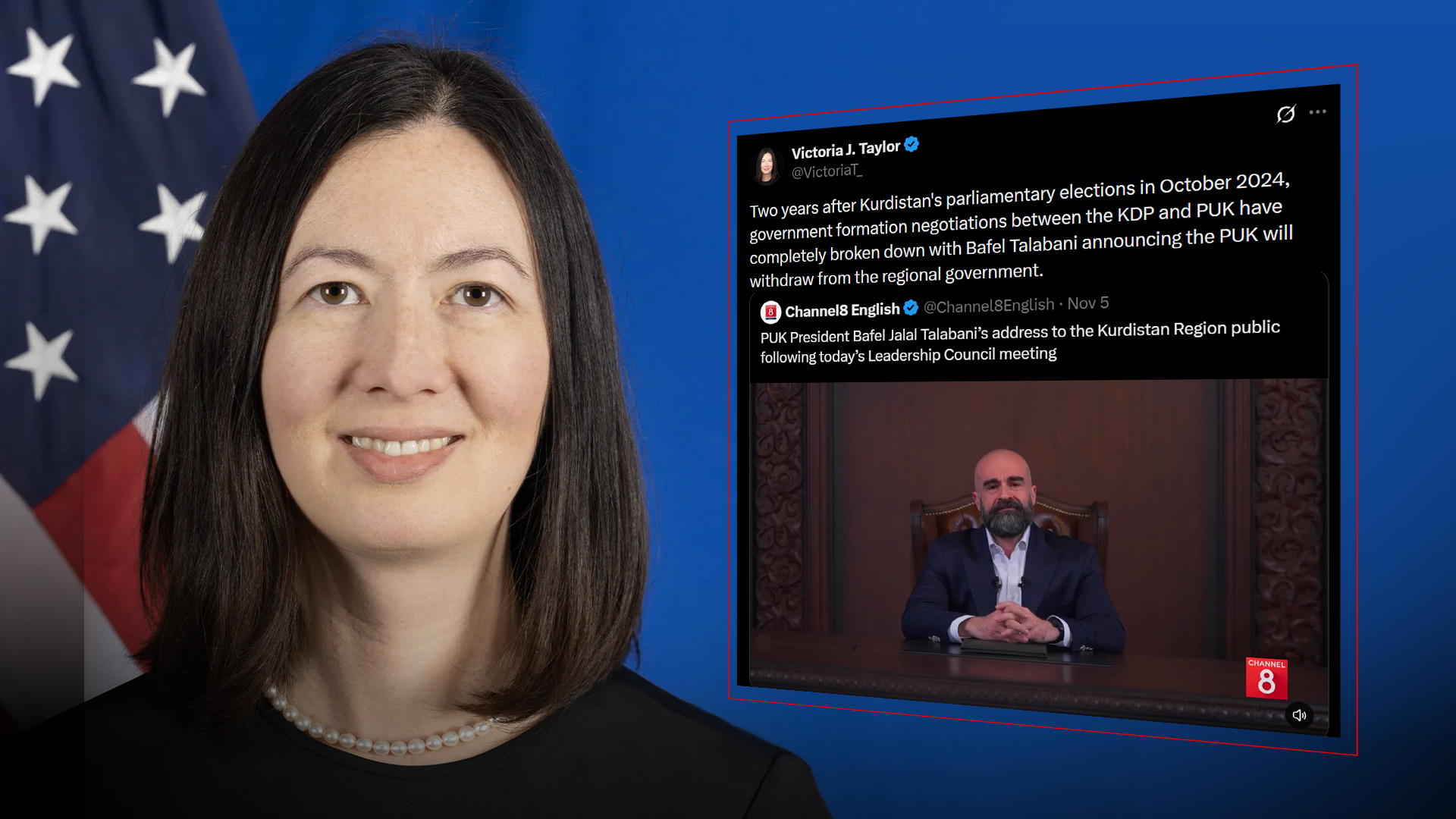
PUK President Bafel Jalal Talabani issued a statement announcing the withdrawal of the party’s ministerial team from the Kurdistan Regional Government, refusing to recognize the legislative session and characterizing it as a violation of democratic principles.
Meanwhile, Victoria J. Taylor, former U.S. Deputy Assistant Secretary of State for Iraq and Iran and current director of the Atlantic Council's Iraq Initiative, also reacted to the developments in Kurdistan, warning that "the divisions within Kurdistan undermine the strength of one of the strongest US partners in Iraq."
Dive Deeper: Handpicked Stories for You
Follow Channel8 for continuous updates:
Qahwachi: Parliamentary Presidency Has Not Scheduled Session For Monday
Former U.S. Official: Trump Less Interested in KDP-PUK Disputes
PUK President Announces Withdrawal From KRG Government, Rejects Parliament Session Outcomes
KDP Says Parliament Reactivation Not Directed Against Any Political Party
Kurdistan Parliament Elects New Presidency Amid Major Party Boycott