New Bolivian Wildlife Reserve Protects Vital Amazon Corridor
At a Glance:
A large new wildlife reserve has been created in Bolivia.
An American conservation group helped support the project.
The reserve protects a key river habitat in the Amazon.
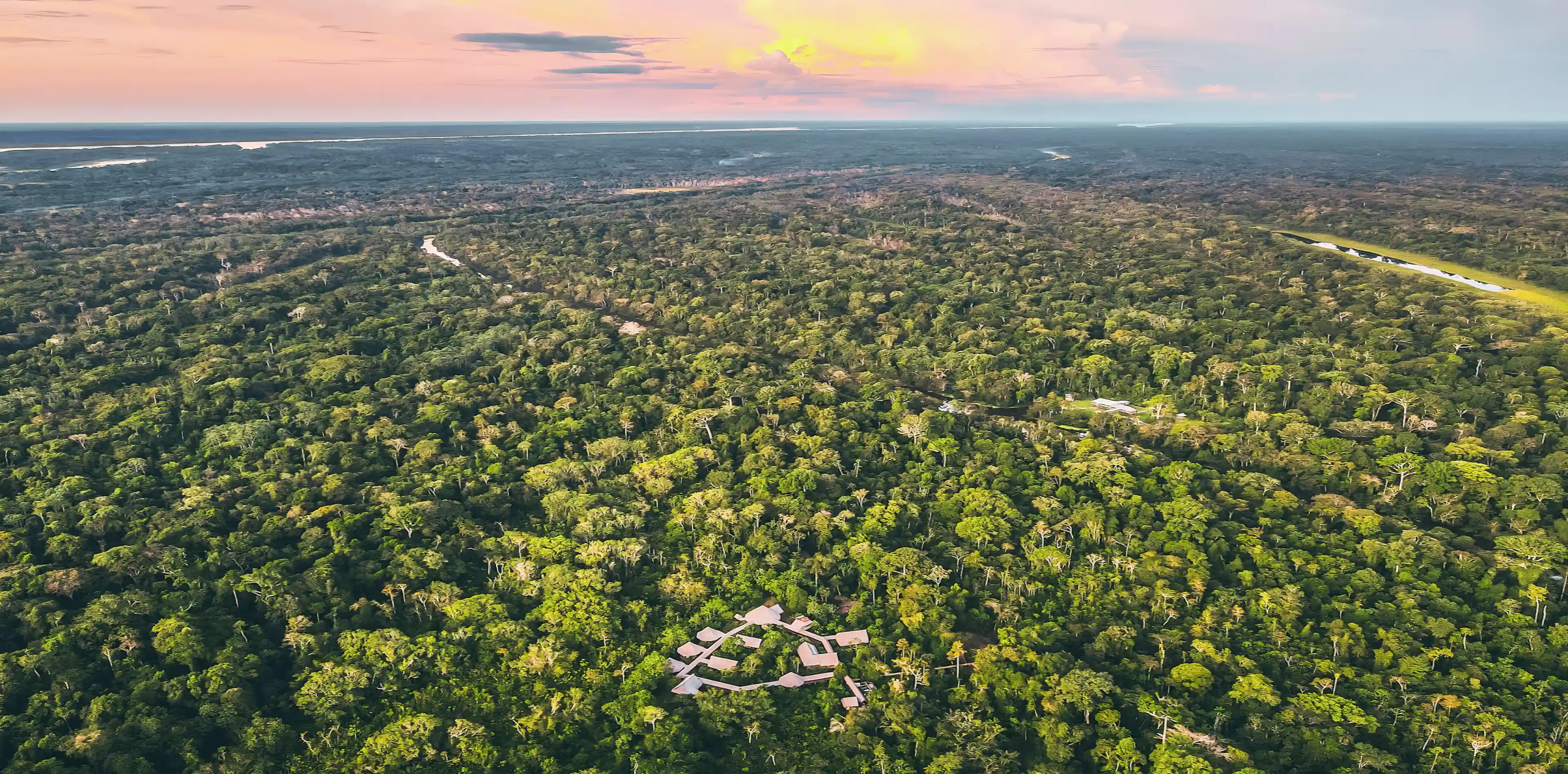
A newly created wildlife reserve in Bolivia is set to protect a vital stretch of the Amazon along the Brazilian border, giving migrating animals a continuous corridor between protected areas on both sides.
Key Statements and Focus Area:
Local Partnership: "Rainforest Trust provided crucial technical and financial support to foster local and municipal consensus, secure the formal legal designation of the protected area, and develop its key management instruments." — Rosmery Ayala Lozada, Executive Director, Faunagua.
Conservation Ambition: "Protecting 10 million additional acres in just seven months shows what is possible when we match the urgency of the biodiversity crisis with ambition and strong local partnerships." — James Deutsch, CEO, Rainforest Trust.
Focus of the Article: The article centers on the creation of the Agua Dulce Municipal Wildlife Reserve along the Iténez River in Bolivia, a protected corridor that links wildlands across the Bolivian-Brazilian border.
The 715,000-acre reserve covers forests, floodplains, pampas, and riverside ecosystems along the Iténez River, known in Brazil as the Guaporé. Stretching about 780 miles and forming much of the northeast border between Bolivia and Brazil, the river shelters jaguars, Amazon River dolphins, giant otters, lowland tapirs, and black caimans, along with 260 fish species, 25 of which exist nowhere else.
The reserve was established through local legislation and connects existing protected areas on both sides of the border, including Noel Kempff Mercado National Park in Bolivia and Corumbira State Park in Brazil, giving migrating animals a continuous route. Its rules rest on three pillars: protecting wildlife, maintaining essential ecosystem services, and developing sustainable livelihoods for local communities.
Faunagua, the Bolivian group that led the project, drew up the management plan with residents and will help carry it out. The milestone also brought Rainforest Trust's total protected area to 70 million acres, with 10 million added in just eight months, and it comes as Brazil reports record-low Amazon deforestation.
FYI
The Iténez River basin sits at the meeting point of the Amazon and neighboring dry-forest and savanna ecosystems, making it a rich but increasingly pressured landscape where cattle ranching, logging, and agricultural expansion have threatened habitat in recent decades.
Bolivia has lost large areas of forest to fires and land clearing, and transboundary protected areas are seen by scientists as especially valuable because wildlife does not follow national borders.
Globally, countries have pledged to protect 30 percent of land and ocean by 2030 under the "30x30" target agreed upon in 2022, driving a wave of new reserves and conservation partnerships.
Dive Deeper: Handpicked Stories for You
Follow Channel8 for continuous updates:
Arizona’s Chiricahua Becomes America’s 64th National Park