Deepwater Horizon Spill Linked to Lasting Marine Life Decline
At a Glance
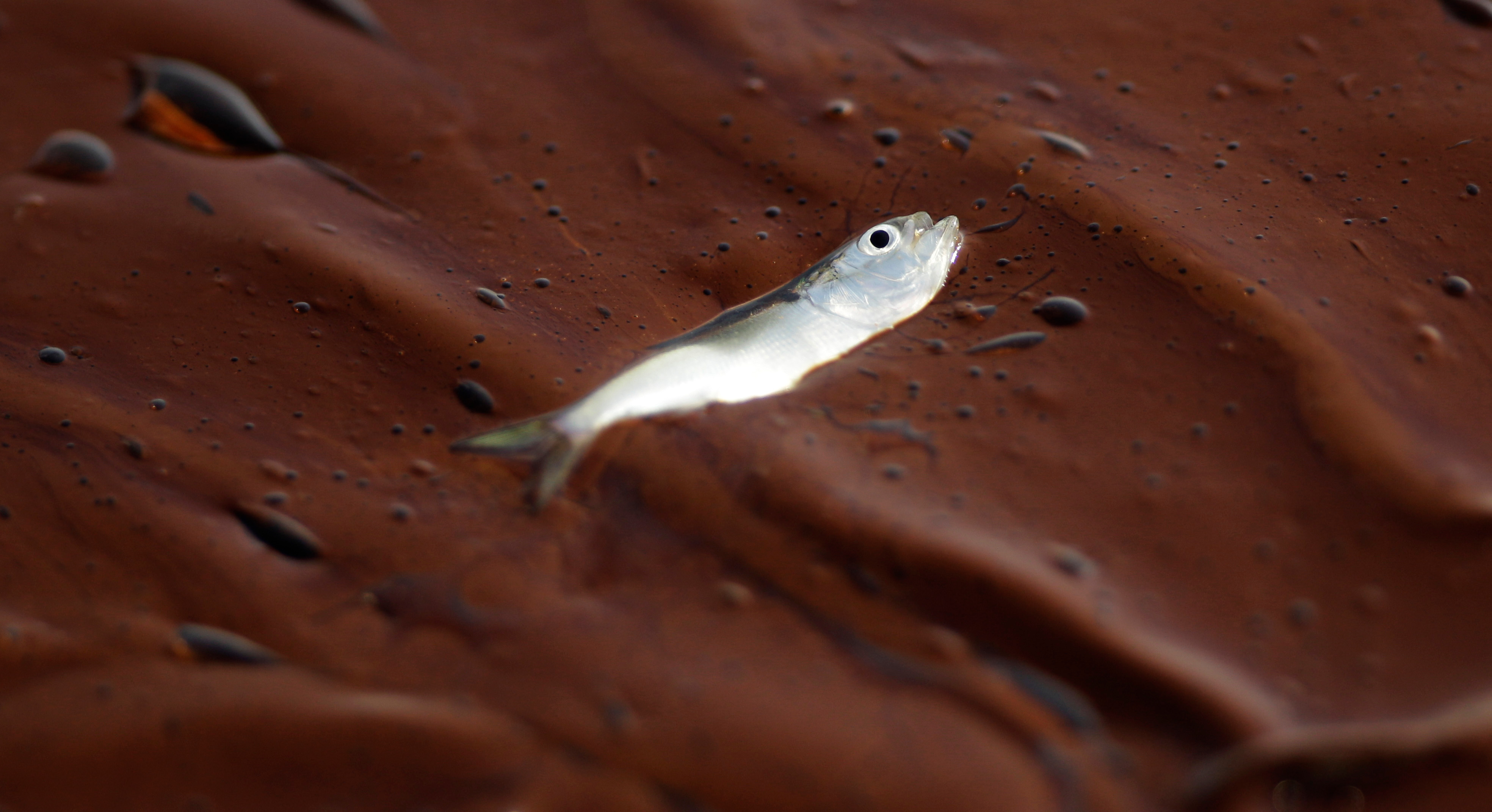
Marine animal populations in a deep-water region of the Gulf of Mexico fell by about 60% after the 2010 Deepwater Horizon oil spill.
Fish numbers dropped 63.5% between 2011 and 2015, according to a new study.
Researchers found little evidence of sustained recovery more than a decade later.
The findings raise concerns about the long-term effects of deep-water drilling and oil spill cleanup chemicals.
Marine animal populations in the Gulf of Mexico’s ocean twilight zone fell by about 60% in the years after the 2010 Deepwater Horizon oil spill and have shown little sustained recovery, according to a study published in the journal Proceedings of the National Academy of Sciences (PNAS).
Key Statements and Focus Area
Population decline: “Fish populations fell 63.5% between 2011 and 2015, crustaceans declined 62%, and larger animals, including squid and octopuses, dropped 59.7%. These are foundational species. They're the things most things eat. So it's no wonder that we had wholesale changes across the community,” - a study led by biological oceanographer Tracey Sutton.
Lasting damage: “It’s shocking how a single failure in a drilling rig can have this vast and sustained impact over thousands of square kilometers, with little visible recovery over 13 years after the spill,” said Boris Worm, a marine scientist at Dalhousie University who was not involved in the study.
Ecosystem damage: Scientists said the decline affected foundational species that support the wider marine food web, with potential consequences across the Gulf’s ecosystem.
Marine Life in the Twilight Zone
The study examined the ocean’s “twilight zone,” a vast region between sunlit surface waters and the deep seafloor. Researchers say this ecosystem remains poorly understood because it is difficult to access and observe.
The research team used three forms of evidence to assess changes in marine life: animals caught in nets, acoustic sonar measurements, and genetic studies showing losses in genetic diversity associated with inbreeding.
The researchers also investigated potential explanations for the population changes, including water temperature, oxygen supply, and food availability. Sutton said these factors did not account for the decline, while the timing of the changes pointed to the oil spill as the most likely cause. The team acknowledged that it could not establish an exact causal link.
Oil and Cleanup Chemicals
The Deepwater Horizon explosion killed 11 workers and triggered nearly five months of oil and gas leakage into the Gulf. Researchers said the pollution caused immediate harm to marine life and may have continued to affect later generations.
Isabel Romero, a chemical oceanographer at the University of South Carolina and a co-author of the study, said both oil and the chemical dispersants used during cleanup harmed marine organisms. Dispersants break oil into smaller droplets, potentially increasing exposure for animals living deeper in the water column.
Rita Colwell, a University of Maryland environmental microbiologist and former director of the US National Science Foundation, said the findings should inform future spill response strategies. She argued that reliance on chemical dispersants should be reconsidered and that approaches encouraging oil-degrading microbes deserve further attention. BP spokesperson Paul Takahashi said the disaster “forever changed” the company and that it had made changes intended to prevent a similar incident.
A Connected but Understudied Ecosystem
The study also offered insights into how marine animals move between different ocean depths. Some species rise toward the surface at night, while predators descend into deeper waters to feed. These movements connect ecosystems that might otherwise appear separate.
Kaitlin Frasier, a marine scientist at the Scripps Institution of Oceanography who was not involved in the research, said the findings demonstrate the risks of overlooking ecosystems that are difficult to observe directly. Frasier published a separate study in 2024 examining Gulf of Mexico whales and dolphins that found population declines of up to 83% following the spill.
The researchers said the broader findings are relevant to current debates about deep-sea mining and expanded offshore oil drilling, where potential environmental effects can be difficult to detect and assess.
FYI
The Deepwater Horizon disaster began on April 20, 2010, when an explosion on an offshore drilling rig killed 11 workers and triggered one of the largest marine oil spills in history. Oil continued flowing into the Gulf of Mexico for nearly five months before the well was sealed.
The ocean twilight zone generally refers to waters about 200 to 1,000 meters below the surface, where sunlight is too limited to support photosynthesis. It supports diverse marine life and plays a role in transferring carbon through the ocean. Its depth and scale make research challenging, leaving significant gaps in scientific understanding of its ecosystems.
Dive Deeper: Handpicked Stories for You
Follow Channel8 for continuous updates:
.jpg)
.jpg)
.jpg)
.jpg)
.jpg)