U.S., China, and Russia Leaders Pledge Nuclear Risk Reduction
At a Glance
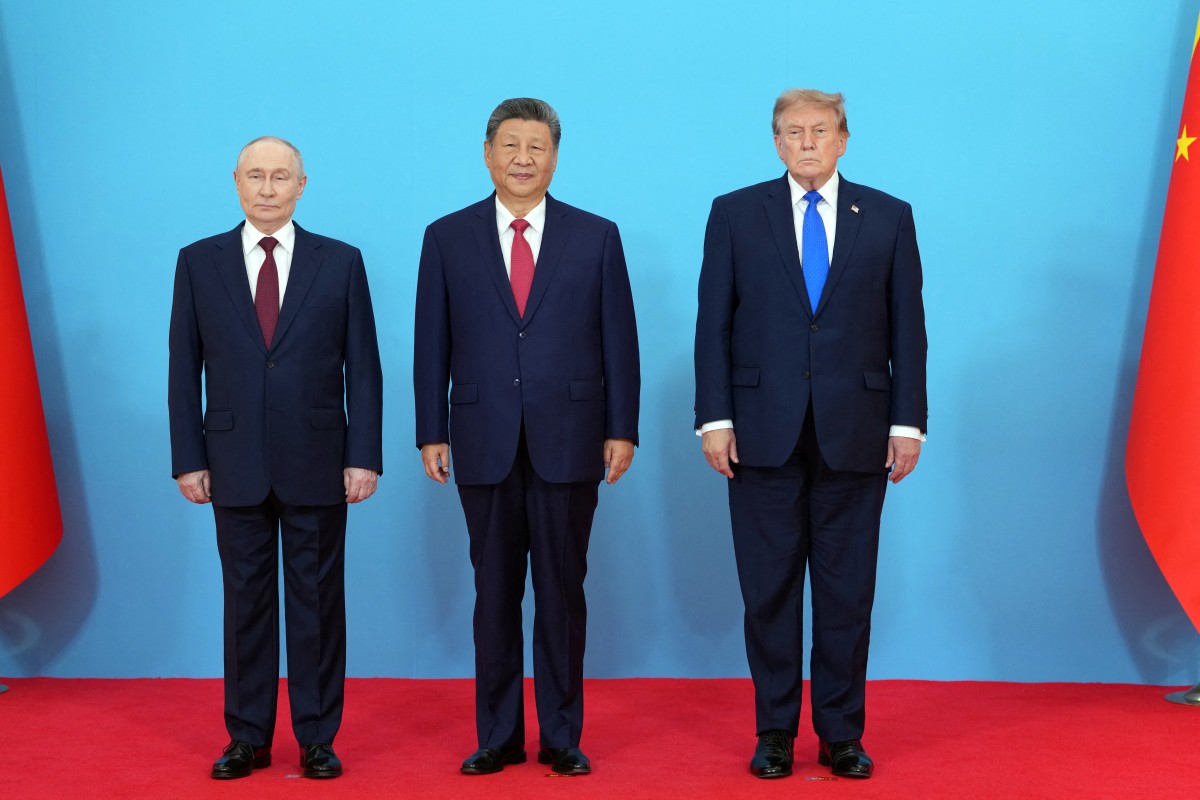
Chinese, Russian, and U.S. presidents met in Shenzhen on Thursday for a historic trilateral summit.
The three leaders agreed to hold talks on "reducing nuclear risks" and preventing weapons proliferation.
The joint declaration also calls for United Nations reform, stable energy flows, and respecting state immunities.
The leaders of China, the United States, and Russia pledged on Thursday to launch dialogue aimed at "reducing nuclear risks" and preventing weapons proliferation, following a historic trilateral summit in Shenzhen that also outlined commitments on United Nations reform, global energy supply, and state sovereignty.
Key Statements and Focus Area
In their joint declaration titled "China-Russia-U.S. Heads of State Declaration toward Peace," Chinese President Xi Jinping, Russian President Vladimir Putin, and U.S. President Donald J. Trump emphasized the urgency of avoiding atomic conflict.
"The three heads of state reaffirmed that a nuclear war cannot be won and must never be fought," the declaration stated, noting that the nations will conduct talks on reducing nuclear dangers and curbing proliferation.
The document added that "the three heads of state had an in-depth exchange of views on the current international situation and committed to maintaining strategic stability and international security."
Following the November 19 summit in Shenzhen, Putin and Trump expressed appreciation to China for hosting the gathering.
As permanent members of the U.N. Security Council, the three nations committed to reforming the United Nations so it can respond more effectively to global challenges and fulfill its core mission of international peace and security.
On economic and legal matters, the three countries announced plans to increase the production and supply of refined petroleum products for global benefit while reaffirming the importance of stable energy flows.
The leaders also stated that state consent and respect for the immunities of state officials are paramount, agreeing that the International Criminal Court and similar bodies must not abuse their jurisdiction.
FYI
Thursday's 90-minute gathering at the Kylin Villa state guesthouse in Shenzhen marked the first-ever trilateral summit between the top leaders of China, Russia, and the United States.
Held on the sidelines of the 33rd Asia-Pacific Economic Cooperation (APEC) summit, the three-way talks were originally proposed by Russian President Vladimir Putin during an October phone call with U.S. President Donald Trump and followed separate bilateral meetings Trump held with both Putin and Chinese President Xi Jinping earlier in the day.
During opening remarks and post-meeting statements, each leader underscored the significance of direct major-power dialogue.
President Trump stated that the three nations were "making history" through direct engagement, highlighting their unique capacity as the world's largest nuclear powers to reduce stockpiles while also voicing support for ending the war in Ukraine and criticizing international judicial bodies.
President Putin cited the nations' shared history as World War II victors with a joint duty to uphold global security, describing the talks as unexpectedly smooth while noting a shared interest in resolving the Ukraine conflict.
President Xi noted that global security depends on peace among great powers and reiterated calls for nuclear weapons to be "comprehensively prohibited and completely destroyed."
Dive Deeper: Handpicked Stories for You
Follow Channel8 for continuous updates:
Trump, Xi, and Putin Hold First Trilateral Summit in Shenzhen, Vow to Keep Talking
Trump at First Trilateral Summit With Xi and Putin: "Let's See if We Can Get Something Done"
Trump, Xi, and Putin Meet at APEC in Shenzhen as Leaders Push Unity on Trade and AI
Xi and Putin Conclude Two-Hour Shenzhen Talks, Vowing Deeper Ties
.webp)
.jpg)