Iraq's PM al-Zaidi Terminates Contracts of 69 Advisors
At a Glance
Iraq's Prime Minister dismissed 69 office advisors through a new executive order.
The terminated personnel face a 10-day window to finalize their outstanding financial clearances.
This structural downsizing follows a recent expansion of the administration's deputy positions.
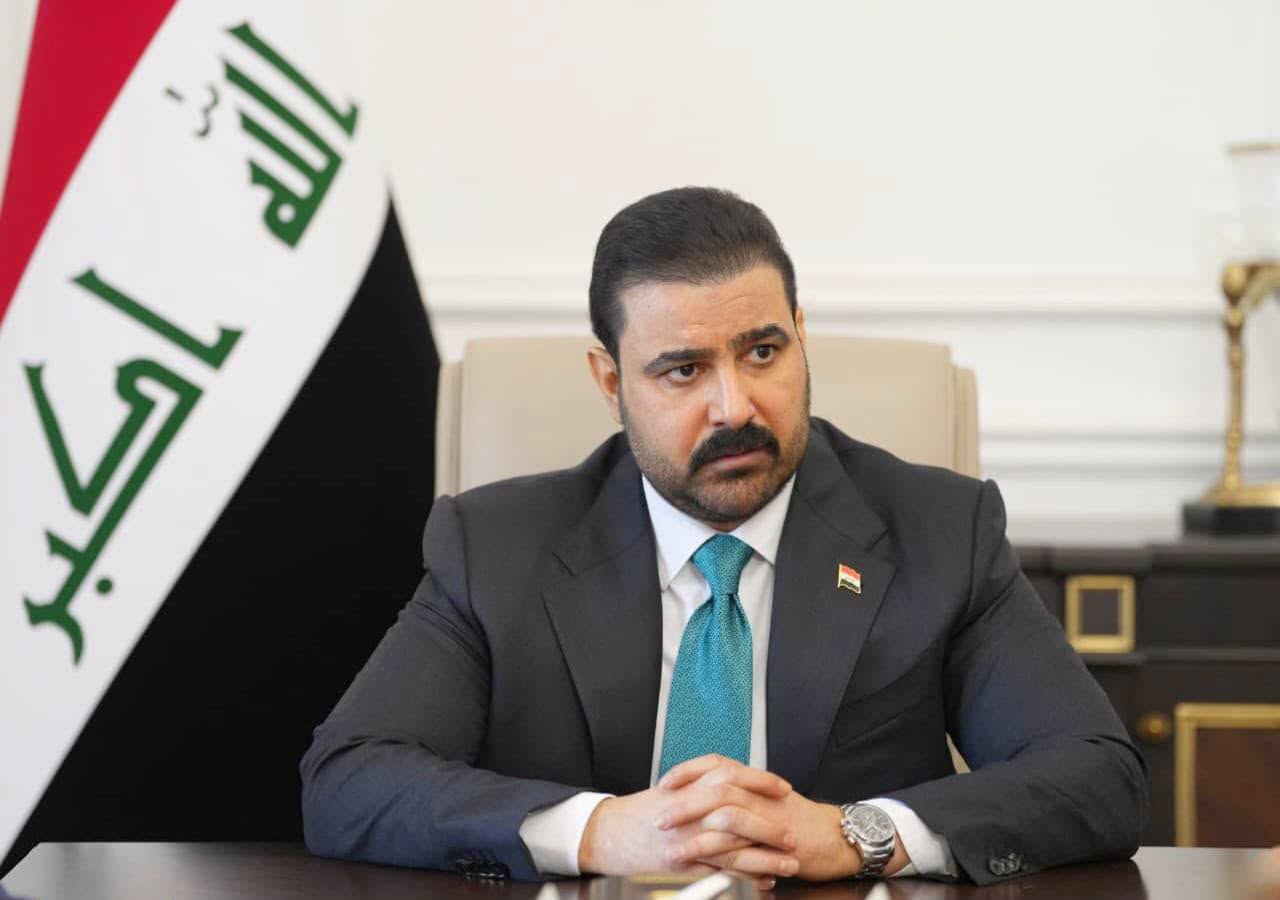
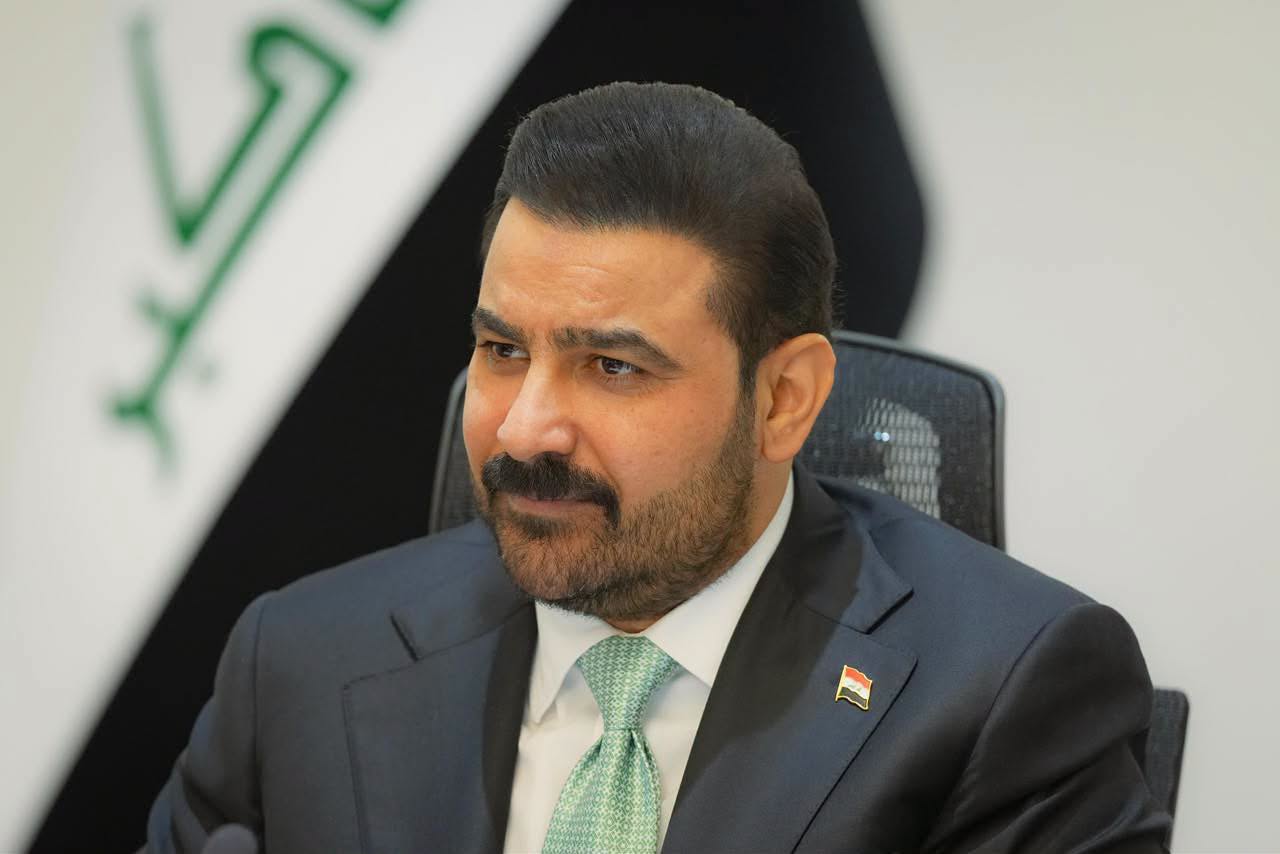
Iraqi Prime Minister Ali Faleh al-Zaidi has issued an administrative decree terminating the contracts of 69 advisors in his office, a decision that officially took effect on the 22nd of this month.
Key Statements and Focus Area
According to the administrative decree, the Office of the Prime Minister has not yet processed financial clearance for the affected advisors.
Consequently, the individuals have been given a 10-day deadline to complete all necessary clearance procedures.
Since taking office, Prime Minister al-Zaidi has launched several campaigns aimed at preventing the waste of public funds.
The cancellation of the advisors' contracts follows a recent increase in the number of his deputies.
The list of terminated contracts notably includes the names of several Kurdish consultants.
The document reveals a salary range spanning from a minimum of 1.5 million dinars to a maximum monthly payout of 5 million dinars for the affected advisors.
The termination of these contracts aligns with the Prime Minister's announced strategy to reorganize and streamline governmental advisory bodies.
He previously stated that the introduction of his four deputies allowed the administration to dispense with a number of consultants to serve the public interest and reduce state expenditures.
FYI
The Iraqi government faces ongoing domestic and international pressure to reduce public sector inflation and eliminate redundant administrative expenditures.
Prime Ministerial advisory teams in Iraq have traditionally drawn scrutiny over their size, overlapping responsibilities, and high fiscal burden on the state budget.
Since entering office, the current administration has placed fiscal discipline at the forefront of its agenda, initiating a series of structural reviews to minimize the waste of state resources.
Dive Deeper: Handpicked Stories for You
Follow Channel8 for continuous updates:
Al-Zaidi investigates Maysan Chairman over Al-Sheeb border threats
New Leadership Committee Established to Study Stalled Laws
Iraq Parliament Convenes to Complete Prime Minister Al-Zaidi’s Cabinet