Iraqi Finance Committee reviews 2027 budget tariffs and customs automation
At a Glance
Lawmakers evaluated the 2027 budget impact of exempting food and medicine from customs duties.
The Finance Committee reviewed the nationwide ASYCUDA rollout and demanded swift solutions to technical challenges.
Officials were questioned over revenue discrepancies to tighten audits against evasion and smuggling.
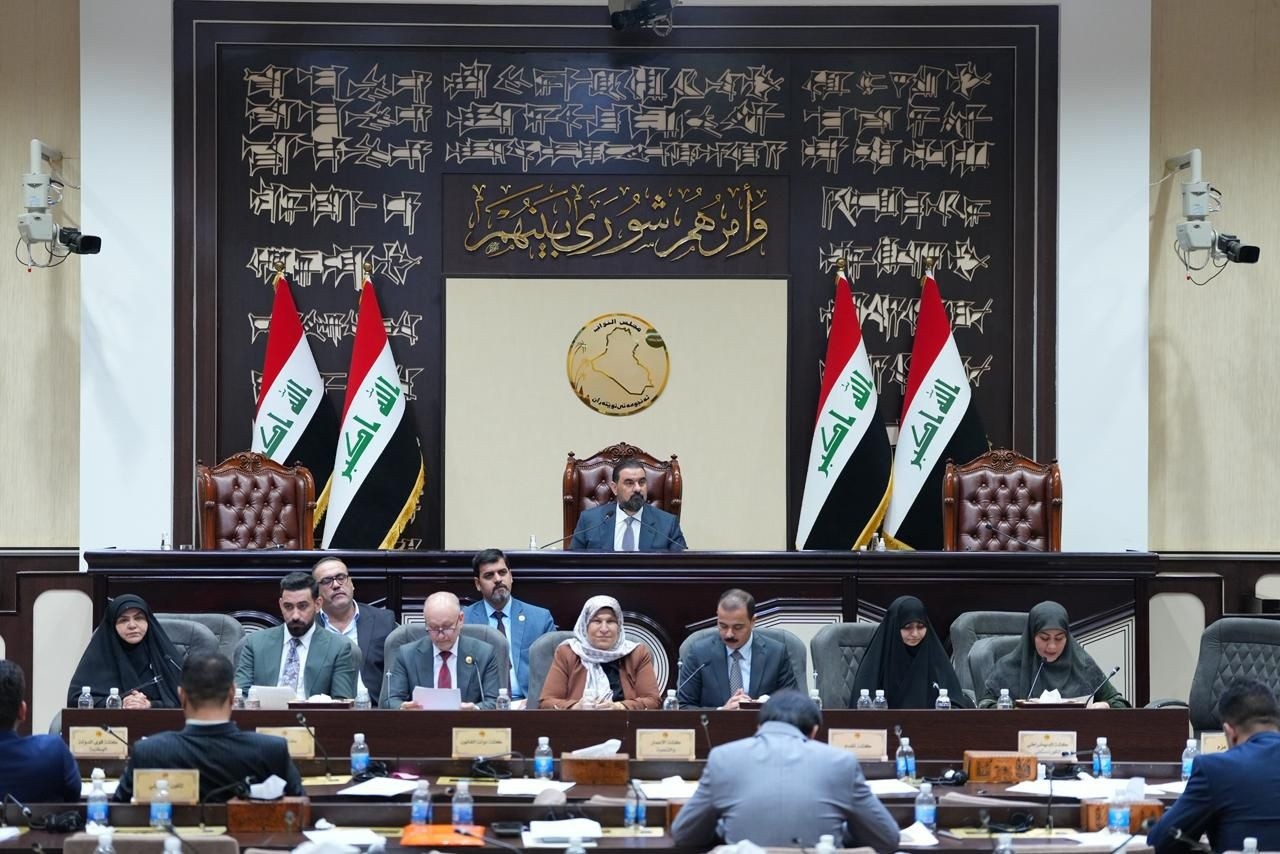
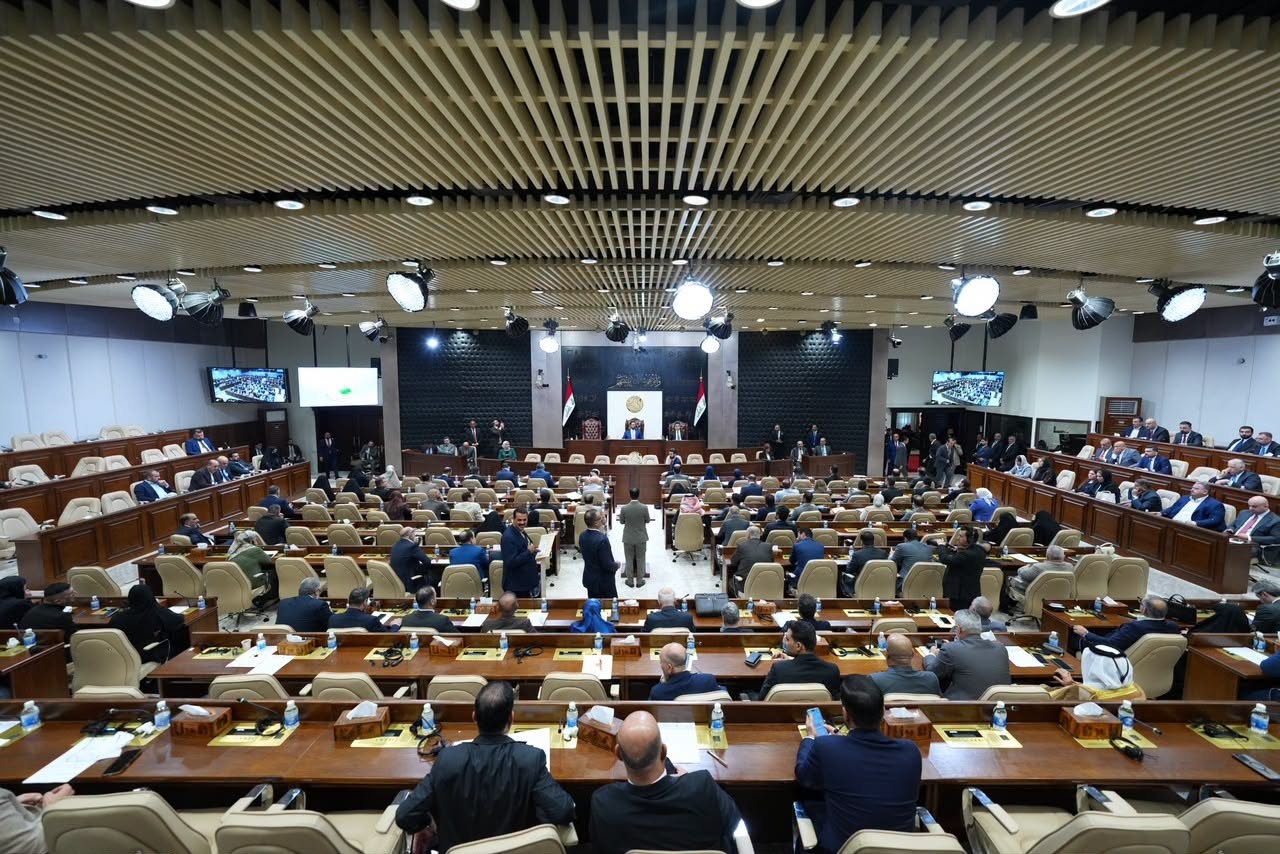
The Iraqi Parliamentary Finance Committee hosted top financial and customs officials to review the 2027 budget impact of food and medicine tariff exemptions, customs automation, and upcoming securities legislation.
Key Statements and Focus Area
The Finance Committee “examined the completion stages of the customs system automation (ASYCUDA) across all governorates, including the Kurdistan Region, emphasizing the need to find appropriate solutions to the challenges facing the system.”
The Director General of the General Customs Authority “explained that the exemptions are granted in accordance with Customs Tariff Law No. 22 of 2010, taking economic conditions into account.”
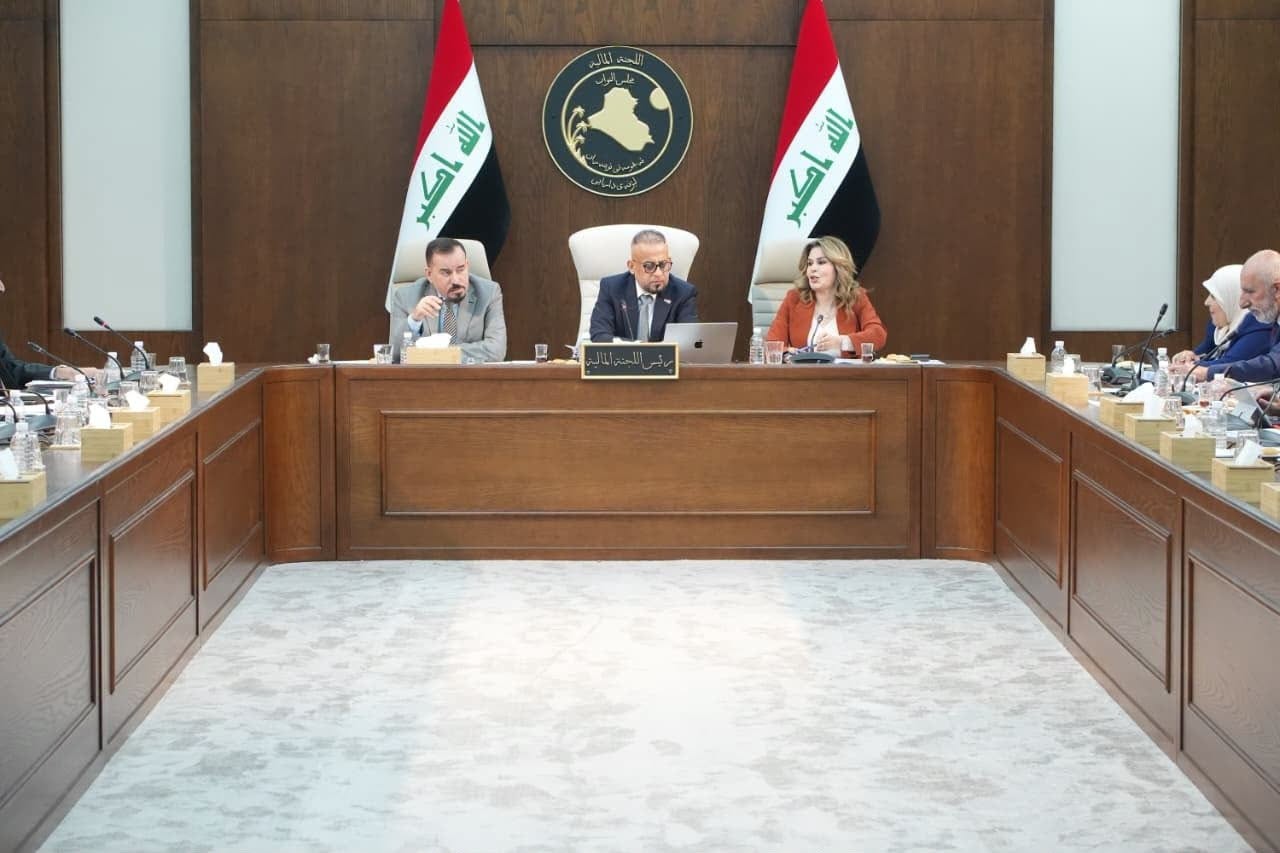
The Iraqi Parliamentary Finance Committee, chaired by MP Adi Awad, met with top customs and securities officials on Sunday to review the Cabinet's decision to exempt imported food and medicine from tariffs.
Lawmakers analyzed the projected impact of these exemptions on 2027 budget revenues alongside data from 2023 through 2026.
The committee focused heavily on creating regulatory mechanisms to ensure price drops directly benefit final consumers.
The committee questioned officials regarding prior revenue discrepancies, the economic feasibility and volume of customs exemptions, local product protection, and tax evasion countermeasures.
To address these issues, lawmakers emphasized the necessity of presenting “a clear vision, as well as providing the Committee with all related information via official correspondence.”
Committee members raised critical observations regarding the Customs Authority's role and goods-auditing mechanisms.
Lawmakers stressed that tighter inspection procedures are essential to curb smuggling, stabilize the local market, and safeguard citizen interests.
FYI
Iraq initiated its digital border transition under a May 2021 UNCTAD agreement, launching the first phase of ASYCUDA at Baghdad International Airport in October 2023, expanding to major maritime ports in 2024, and concluding phase two in June 2026.
Following the mid-2026 expansion phases, current operations focus on deploying automated pre-declarations and electronic clearing portals across Kurdistan Region gateways.
Legal disputes frequently surface around Article 28 of the Iraqi Constitution, which states taxes cannot be altered without legislation, forcing the Cabinet to strictly limit administrative tariff exemptions to temporary economic emergencies under the 2010 framework.
Historical data shows that sudden shifts in customs enforcement or auditing procedures at Iraqi entry points have frequently triggered supply hoarding at major ports and localized retail market volatility.
Dive Deeper: Handpicked Stories for You
Follow Channel8 for continuous updates:
KRG Denies Receiving Directives to Close Iran Border Crossings
Iraqi Parliament Extends Legislative Session by 30 Days as 2027 Budget Stalls
Iraq State Administration Coalition Holds Meeting, Urges Budget Approval