Groundbreaking 7,000-Year-Old Architectural Roof Remains Unearthed In Kurdistan
At a Glance
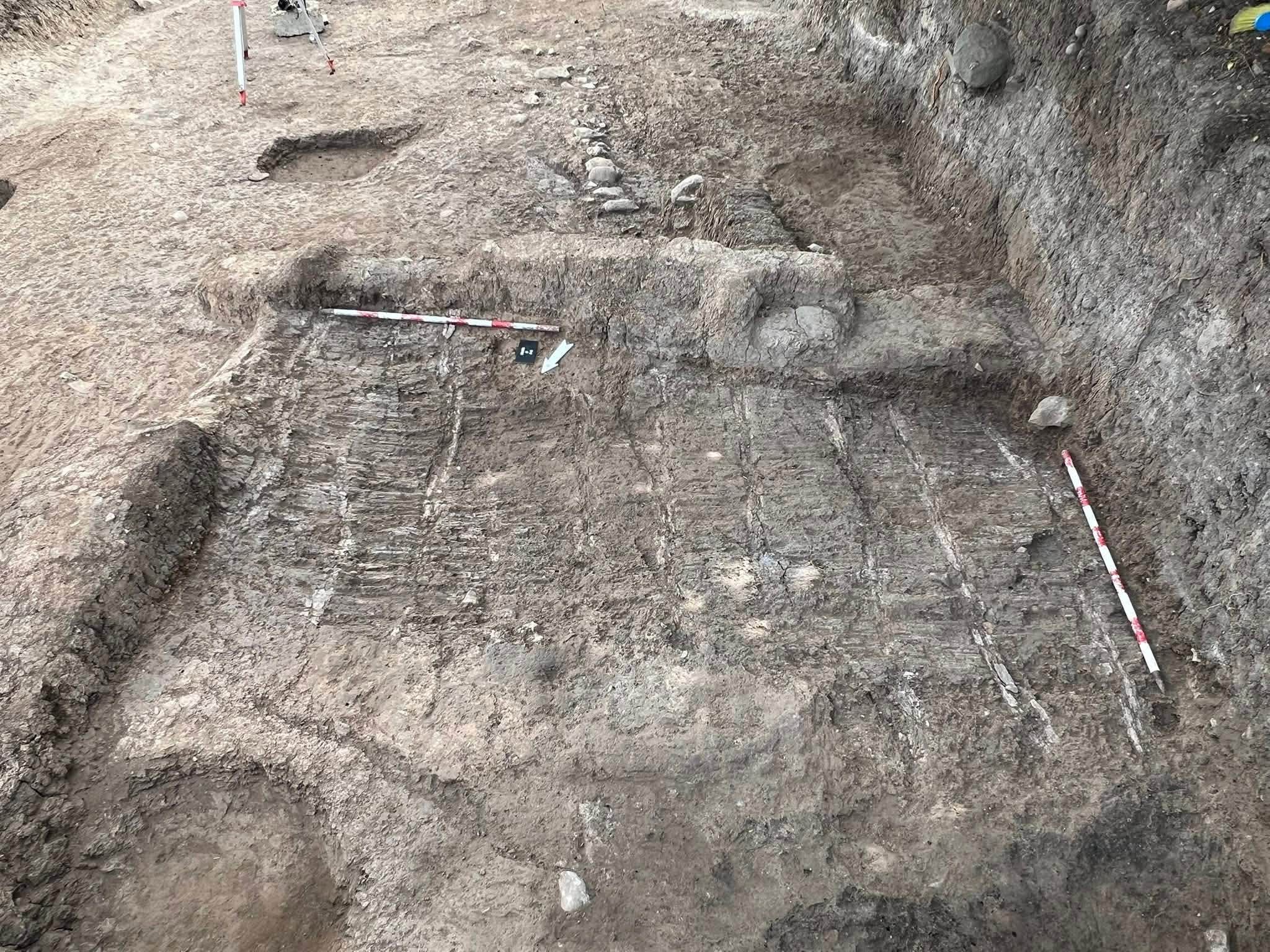
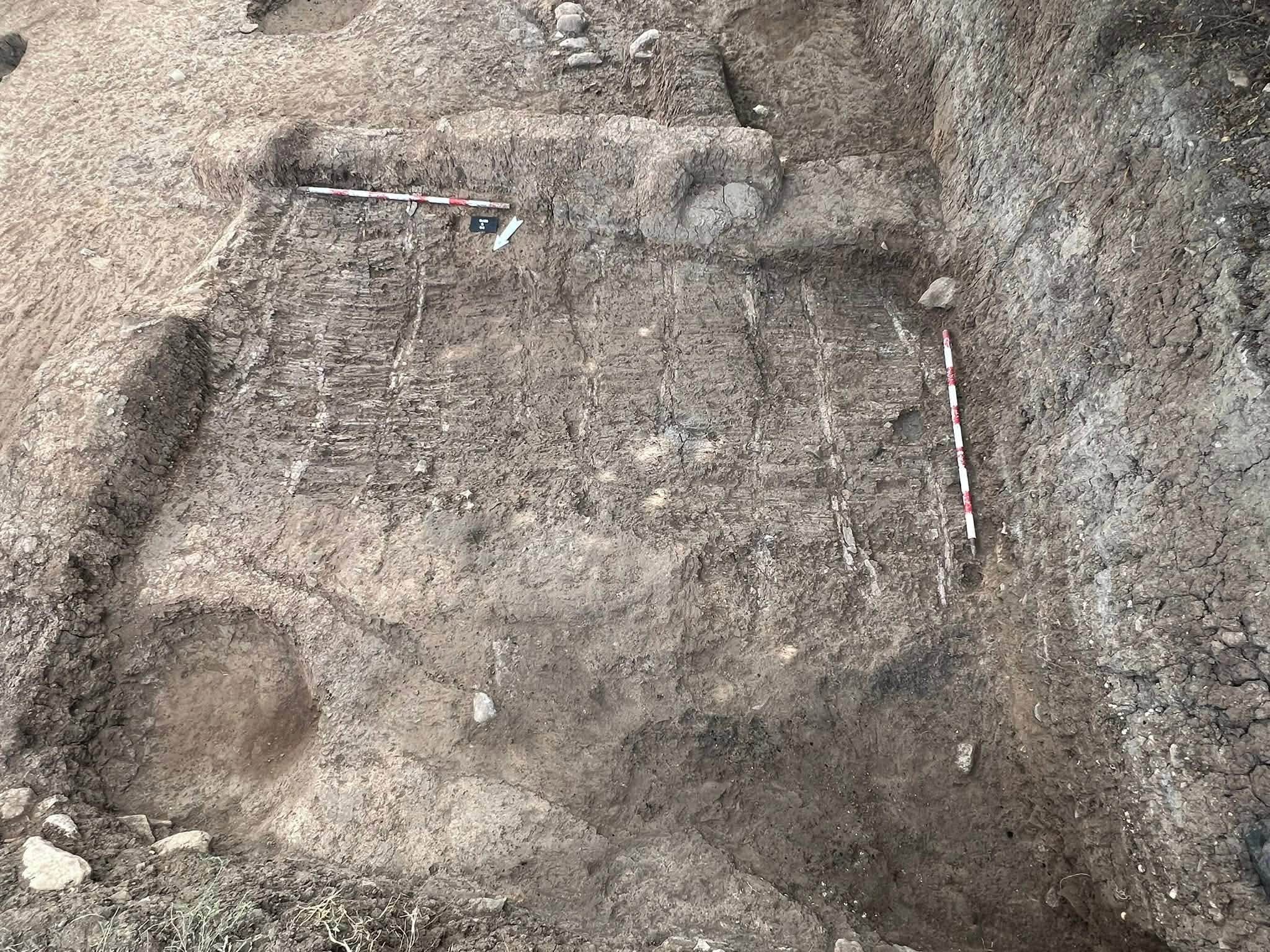
Archaeologists uncovered a rare 7,000-year-old Halaf-period roofing structure at the Bane Helak mound in Soran.
The General Directorate of Antiquities confirmed it is the first time such ancient construction has been scientifically documented.
Officials hailed the find as a global milestone demonstrating early Zagros Mountain engineering.
A groundbreaking archaeological discovery at the historic Bane Helak site within the Soran independent administration of Erbil, Kurdistan Region, has revealed intricate structural remains dating back over seven millennia.
Significance of the Halaf Period Discovery
Unprecedented Architectural Insights: The remains provide critical evidence regarding ancient roofing and building techniques used during the prehistoric Halaf period, marking a significant milestone for international archaeological studies.
Evolution of Ancient Civilizations: Researchers emphasize that the findings shed light on the sophisticated urban and domestic developments of early settlements nestled within the Zagros mountain region.
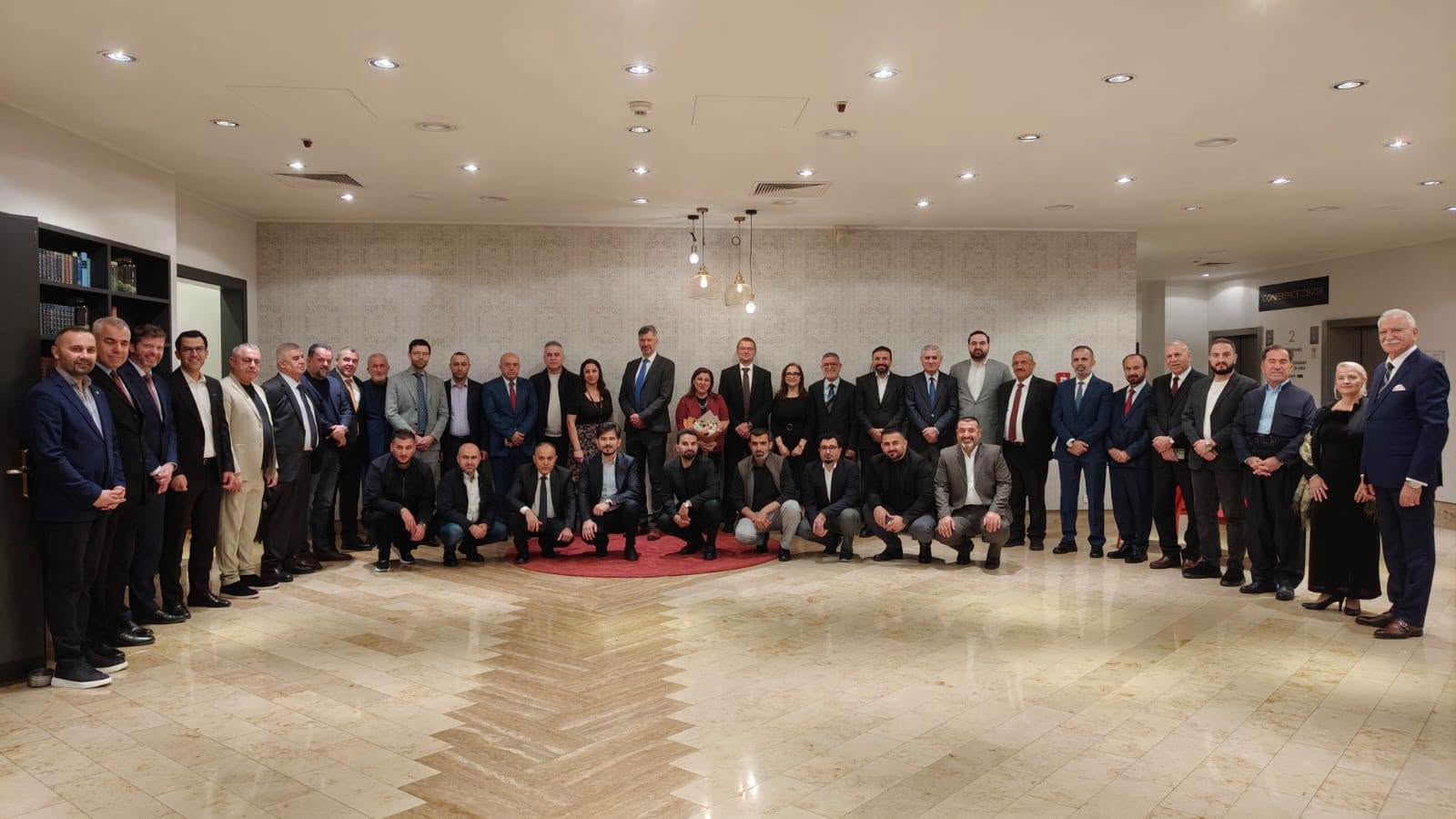
International Scientific Collaboration: The success of the excavation stems from collaborative fieldwork and advanced analytical techniques shared among academic institutions in Kurdistan and Spain.
FYI
The Halaf culture (c. 6100–5100 BCE) is globally renowned for its distinctive circular buildings, often referred to as tholoi, and its remarkably refined, painted pottery, representing a vital chapter in the Neolithic development of the Near East.
Dive Deeper: Handpicked Stories for You
Follow Channel8 for continuous updates:

.jpg)