US Expels Cuban Diplomat After Heated UN Floor Confrontation
At a Glance
The United States expelled Cuban diplomat Richard Tur de la Concepción following a confrontation at the UN General Assembly in New York.
US Ambassador Mike Waltz accused Tur of shoving US diplomat J.P. Freire and attempting to grab his phone while Freire recorded a heated exchange.
The incident involved Waltz and Cuban Foreign Minister Bruno Rodríguez Parrilla during a dispute over Washington’s longstanding embargo on Cuba.
Cuba’s annual UN resolution calling for an end to the embargo passed on October 28 by 130 votes to 17, with 25 abstentions, according to Reuters.
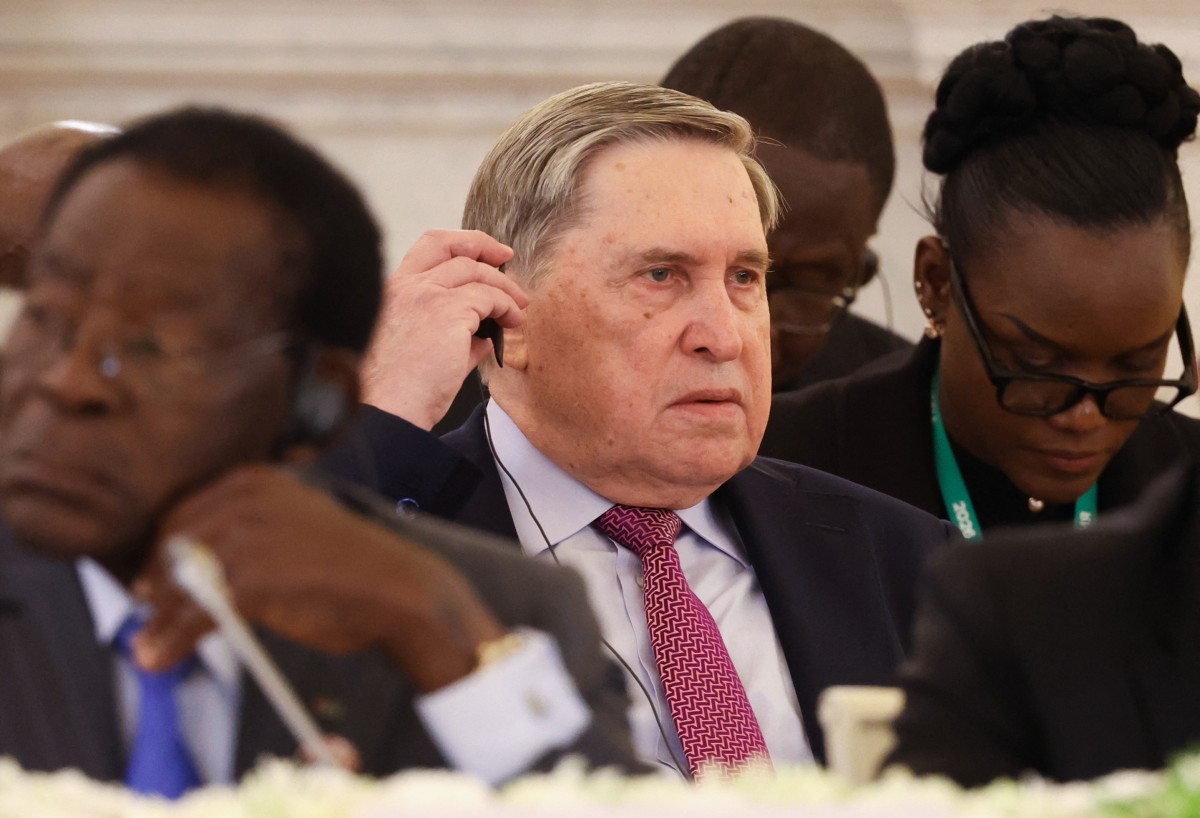
The United States has expelled a Cuban diplomat following an altercation at the United Nations General Assembly, where a heated exchange between US Ambassador Mike Waltz and Cuban Foreign Minister Bruno Rodríguez Parrilla escalated into a separate confrontation involving a US diplomat recording the incident.
Key Statements and Focus Areas
US Allegations and Expulsion
US Ambassador Mike Waltz said Cuban diplomat Richard Tur de la Concepción would be expelled after allegedly shoving US diplomat J.P. Freire and attempting to seize his phone while Freire recorded the exchange.
According to the Associated Press, Cuba later welcomed Tur back after his expulsion. Cuban officials disputed Washington’s account of the incident, saying the diplomat was responding after his personal space had been invaded.
Heated Exchange at the United Nations
Waltz urged UN member states to reject the resolution calling for an end to the US embargo on Cuba.
He accused the Cuban government of corruption and enriching its leadership at the expense of the population.
Members of the Cuban delegation interrupted his remarks with applause and by striking tables.
Rodríguez approached the podium and accused Waltz of making false statements. Waltz responded by telling him to step away from the platform.
The confrontation unfolded during the General Assembly’s annual debate on the US economic, commercial and financial embargo against Cuba.
The United States has expelled Richard Tur de la Concepción, a Cuban diplomat serving at the country’s permanent mission to the United Nations, after accusing him of physically confronting US diplomat J.P. Freire during a heated exchange at the General Assembly in New York.
Video of the incident appeared to show Tur reaching toward Freire’s phone and pushing it away as the American diplomat recorded an argument between Waltz and Rodríguez. US officials described the actions as an assault attempt, while Cuban officials challenged Washington’s account of the encounter.
The confrontation took place during a debate over the US embargo on Cuba, a longstanding point of tension between the two governments. During his remarks, Waltz accused Havana’s leadership of corruption and defended Washington’s position. Rodríguez rejected the allegations, leading to a sharp verbal exchange in the Assembly hall.
The diplomatic dispute came as the General Assembly voted on Cuba’s annual resolution calling for an end to the embargo. On October 28, the resolution passed with 130 votes in favour, 17 against and 25 abstentions. The level of support was lower than in 2025, when the resolution received 165 votes in favour, seven against and 12 abstentions.
Although the resolution is not legally binding, it reflects member states’ positions on the embargo. The latest vote also showed a shift in international support, as Washington sought to persuade more countries to oppose the measure or abstain.
FYI
The expulsion adds a diplomatic dispute to already strained US-Cuba relations, shaped by decades of economic sanctions and renewed US pressure on the Cuban government. Washington says its measures are intended to challenge the island’s communist leadership, while Havana argues that the embargo harms the Cuban population.
The latest UN vote is significant because support for the resolution declined compared with the previous year, even as a majority of member states continued to call for an end to the embargo. The resolution remains nonbinding, and the US Congress retains a central role in decisions on lifting the embargo.
Dive Deeper: Handpicked Stories for You
Follow Channel8 for continuous updates:
Cuba’s Ballet Students Train Through Deepening Crisis
Cuba Accuses U.S. of Fabricating 'Fraudulent' Drone Threat to Justify Intervention