Madrid Protests Erupt After Spain Train Crash Kills 68
At a Glance
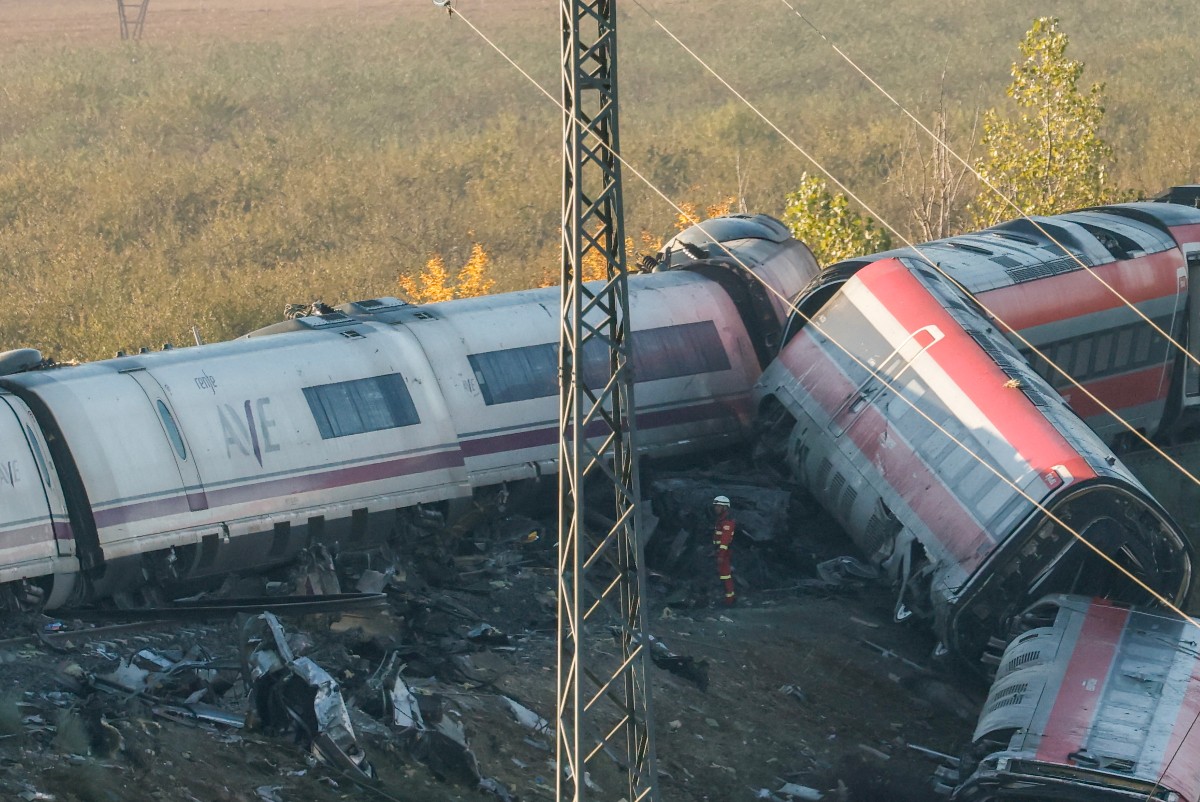
At least 68 people were killed and dozens injured in a collision involving two high-speed trains in central Spain.
Around 1,500 people reportedly protested in Madrid, with clashes breaking out between demonstrators and police.
Prime Minister Pedro Sánchez declared three days of national mourning, running from Thursday through Saturday.
Authorities are investigating a possible failure in railway safety procedures after a train was reportedly authorized to proceed despite an active stop signal.
Protests erupted outside Spain’s Transport Ministry after a high-speed train collision killed at least 68 people, as Prime Minister Pedro Sánchez declared three days of national mourning and officials faced renewed scrutiny over railway safety.
Key Statements and Focus Areas
Protests and Calls for Accountability
Spanish public broadcaster RTVE reported that around 1,500 people took part in the Madrid protest late Wednesday.
Demonstrators, mobilized by far-right groups, demanded the government’s resignation over the disaster.
Clashes broke out between protesters and police, who used tear gas to disperse the crowd.
National Mourning and Safety Concerns
Sánchez announced three days of national mourning from the crash site, beginning Wednesday night and continuing through Saturday.
The prime minister also called for stronger safety measures to restore public confidence in Spain’s high-speed rail network, once regarded as a source of national pride.
Investigation Into the Collision
Transport Minister Óscar Puente described the decision to allow one train to proceed despite a safety-system failure as “inexplicable.”
Officials said the investigation would examine how the train was authorized to continue while a stop signal remained active. Possible human error is among the issues under examination, but responsibility has not yet been established.
Protests broke out outside Spain’s Transport Ministry in Madrid late Wednesday after a collision between two high-speed trains killed at least 68 people and injured dozens more.
According to Spanish public broadcaster RTVE, around 1,500 people attended the demonstration, which was called by far-right groups demanding the government’s resignation. The gathering turned confrontational, with police using tear gas to disperse demonstrators.
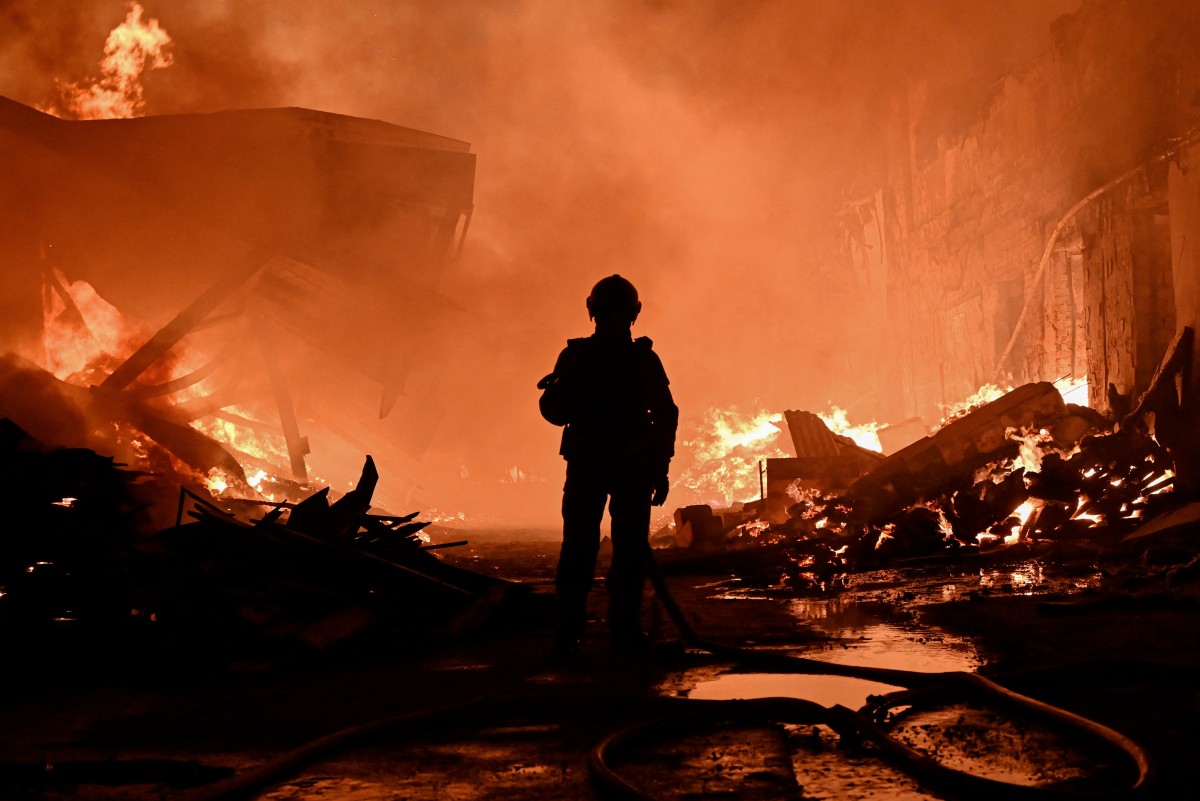
The protest followed one of Spain’s deadliest rail disasters in recent years. The collision occurred shortly before 9 a.m. on Wednesday near Urda, in Toledo province, about 130 kilometers south of Madrid. A train operated by the state-owned Renfe struck a stationary train operated by private company Iryo. Several carriages derailed and fell down an embankment.
The regional government of Castilla-La Mancha confirmed at least 68 deaths and said dozens of people were receiving hospital treatment. Rescue teams continued searching through the wreckage for victims.
Sánchez declared three days of national mourning, from Thursday through Saturday, and called for stronger railway safety measures to restore confidence in the country’s high-speed network.
Puente said the collision followed an “inexplicable” decision to authorize a train to continue moving after a safety system had failed. An investigation is examining the sequence of events, including whether human error contributed to the crash.
The disaster is particularly significant because it follows another deadly high-speed rail collision in Spain in January, in which 46 people were killed. The two incidents have renewed questions about safety procedures and oversight across the country’s rail network.
FYI
The collision has become both a national tragedy and a test of public accountability for Spain’s railway system. While the investigation must establish how the safety procedures failed, the protests show that demands for answers and political responsibility are emerging before the inquiry has concluded. The crash also comes amid renewed scrutiny of railway maintenance and safety following January’s deadly collision. Reuters reported that investigators were examining the circumstances surrounding the decision to allow a train to proceed.
Dive Deeper: Handpicked Stories for You
Follow Channel8 for continuous updates:
Spain Housing Protests Grow As Government Plans Response