Jamayi Feast: Yazidis Begin Seven Day Autumn Festival
At a Glance
- Yazidis gather at Lalish Temple for the annual Jamayi Feast festival.
- The seven-day celebration is centered on thanksgiving, agriculture, and religious traditions.
- Daily rituals include sacred dances, hymns, ceremonies, and offerings.
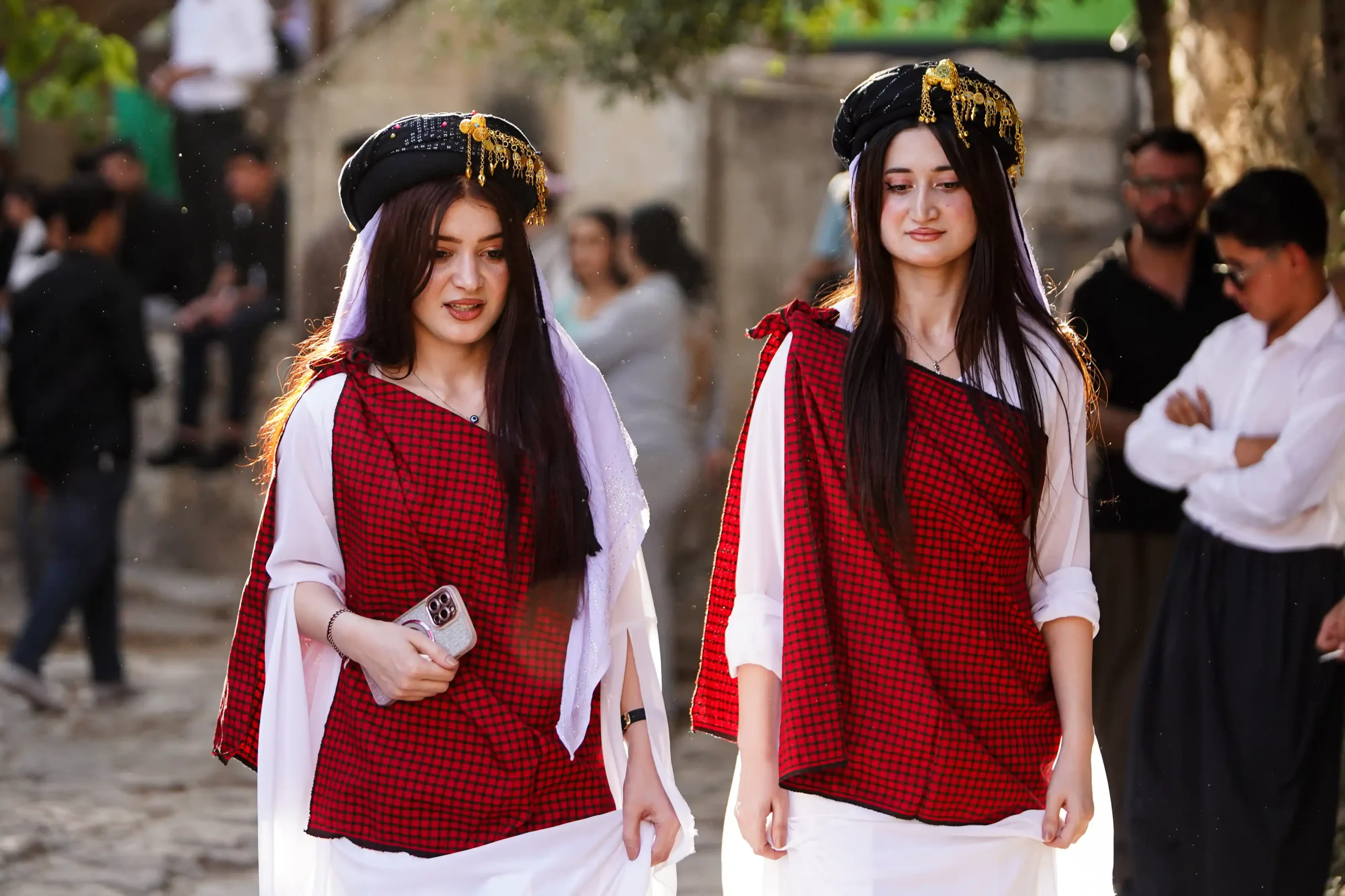
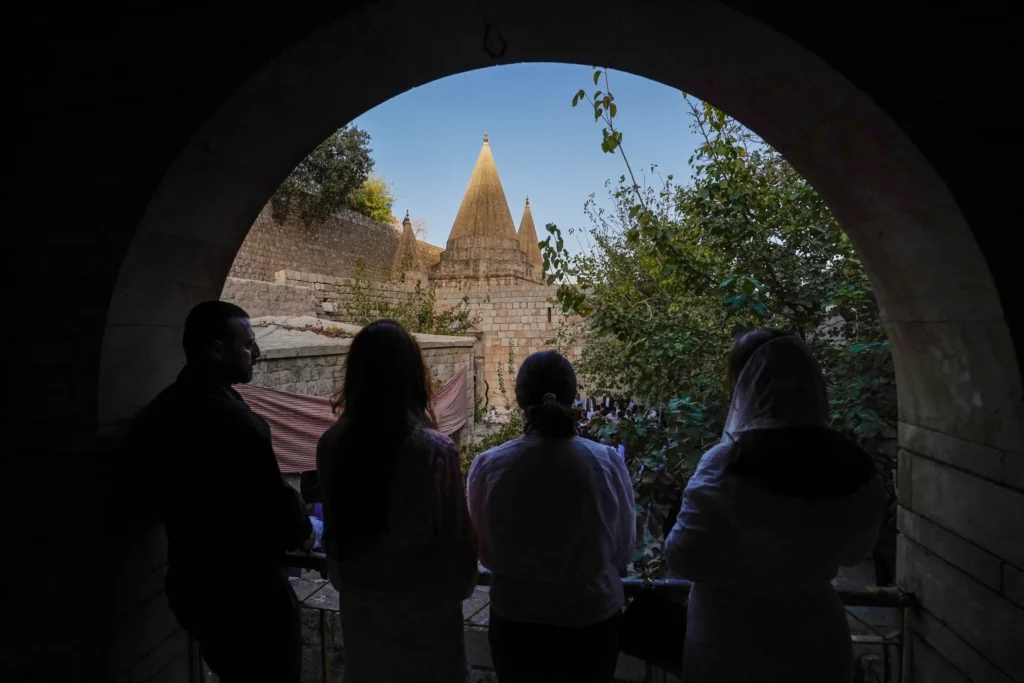
Yazidis are gathering at Lalish Temple for the Jamayi Feast, one of the oldest festivals in the Yazidi religion, marking seven days of religious ceremonies and thanksgiving.
Key Statements and Focus Area
- Festival: Jamayi Feast is also known as the Autumn Festival and is closely associated with agriculture and thanksgiving.
- Seven Days: Each day features distinct religious rituals, from the arrival of the Mir and Baba Sheikh to the festival's closing ceremony.
- Focus Area: The celebration brings Yazidis together at Lalish to observe religious traditions and rituals passed down through generations.
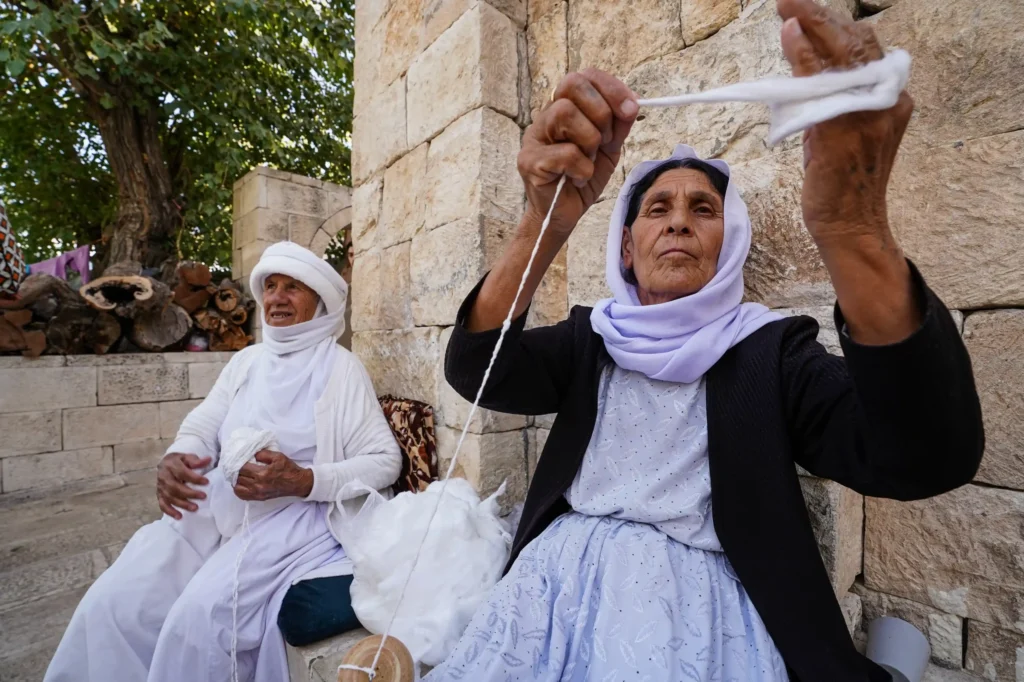
Participants pitch tents at Lalish during the festival, while lamps are lit across the shrines in the evenings. Religious dances, including Govend and Sema, are performed alongside sacred hymns known as Qawl and Bayt. Yazidis visiting Lalish cross the Sirat Bridge and wash their hands and faces with water from Kaniya Sipi, known as the White Spring.
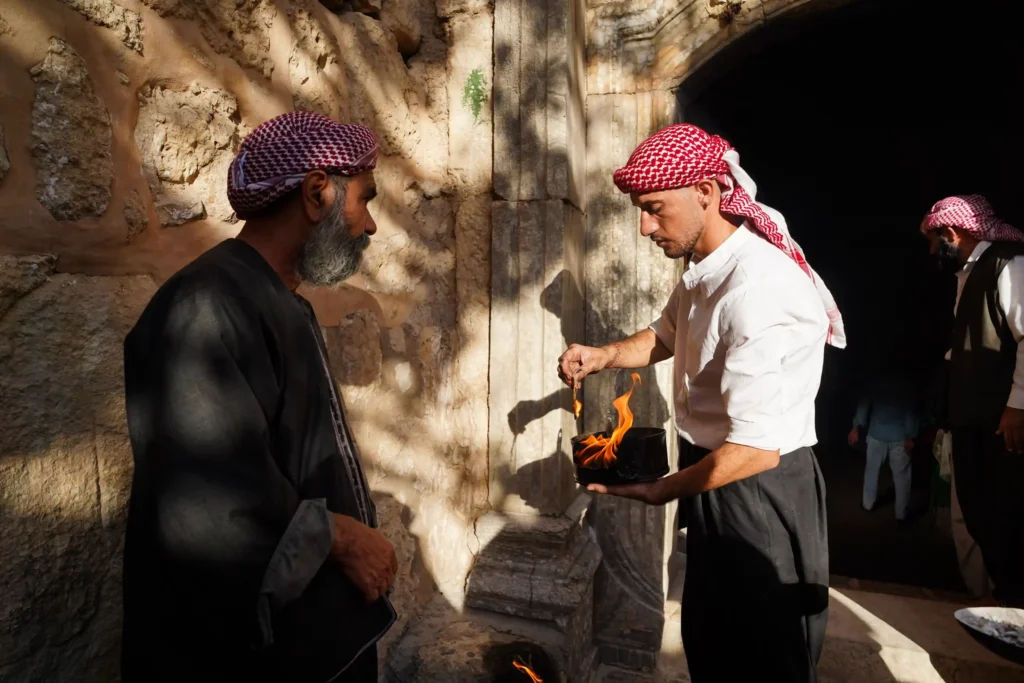
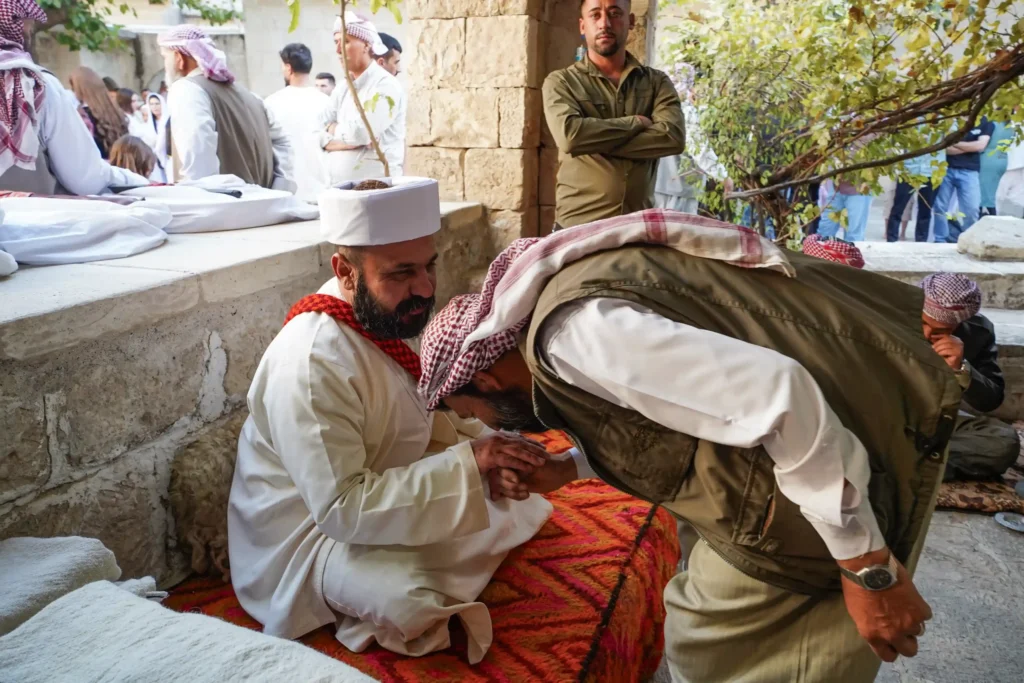
The first day begins with the arrival of the Mir, Baba Sheikh, and members of the Spiritual Council. The Evening Bayt and sacred Sema are then performed. The second day features the Qintar ritual, while visitors also take part in Tawaf, or circumambulation. The third and fourth days continue with regular religious rituals.
On the fifth day, seven boys and seven girls dressed in white take part in Roji Peri, or Day of the Angels, representing the seven holy angels. The sixth day features the Qabagh ritual, during which a bull is offered as a sacrifice to the Sun God.
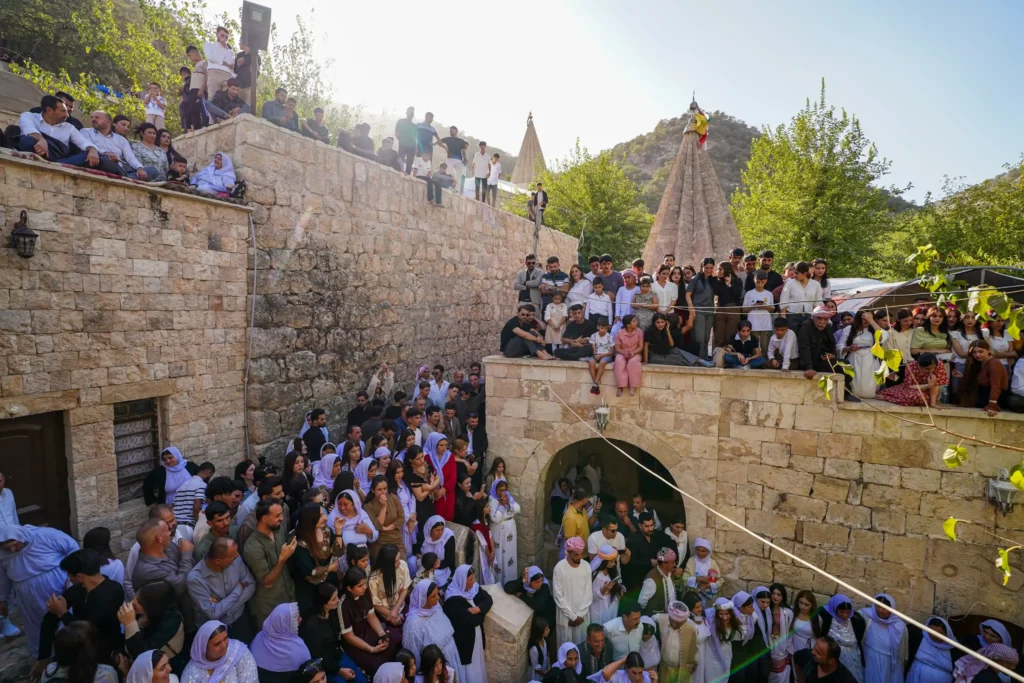
The seven-day festival concludes with Roji Bar Barswakerin. During the ceremony, a sacred throne is immersed in holy water before being placed at a designated location within Lalish, marking the completion of the festival's religious rites.
Jamayi Feast is not held under severe circumstances when the Yazidi Spiritual Council determines that the rituals cannot take place. Following the ISIS attacks on Shingal in 2014, the festival's rituals were not observed for four years.
FYI
Jamayi Feast is also referred to as the Feast of the Assembly. Lalish, located in the Kurdistan Region, is the principal religious center of the Yazidi community.
Dive Deeper: Handpicked Stories for You
Follow Channel8 for continuous updates:
Talabani Congratulates Yazidi Community on Jamayi Festival
Kurdistan Region and Iraqi Presidents Extend Jamayi Feast Greetings to Yazidis
.jpg)
.webp)