Herzog Accepts Israel Election Results, Starts Coalition Talks
At a Glance
Israel's president accepted the certified results of last week's election.
Neither of the two main blocs won an outright majority.
Consultations on forming a new government begin Wednesday.
Israeli President Isaac Herzog accepted the certified results of last week's vote on Wednesday and said he would begin consultations with party representatives on forming a new government, as neither Prime Minister Benjamin Netanyahu nor his main challenger secured a majority.
Key Statements and Focus Area
Elections Committee on the Results: "The review found no evidence of irregularities that compromised the integrity of the election or affected its results." — Israel's elections committee.
Committee Director on the Vote: The results "accurately reflect the choices voters made at the ballot box." — Dean Livne, Acting Director of the elections committee.
Focus Area: The certification of Israel's election results and the start of the race to form a coalition government.
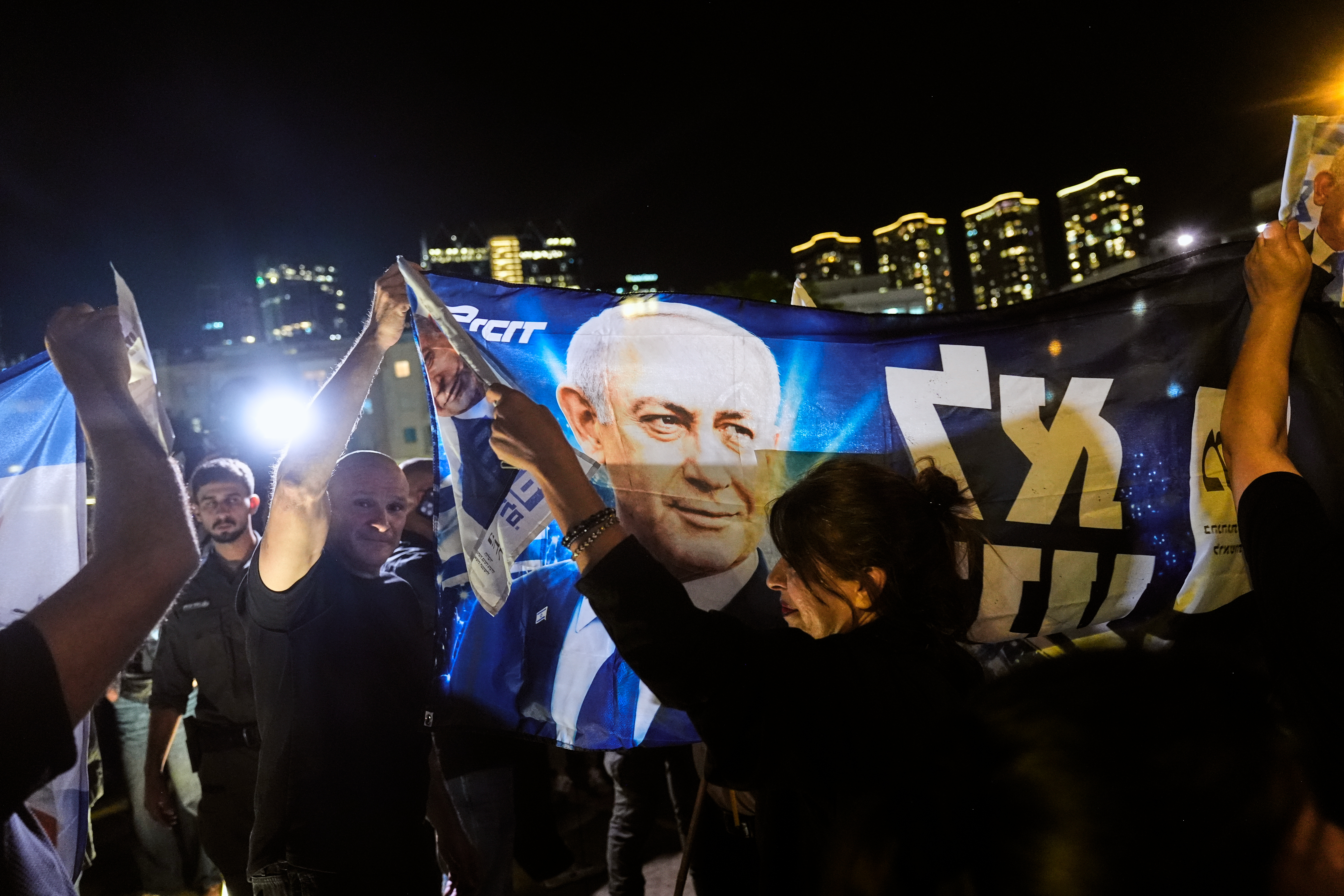
The elections commission said it found no fraud, dealing a blow to Netanyahu's attempts to discredit the vote. He and his supporters have repeatedly made unsubstantiated claims that Arab-led parties "stole" the election, possibly with foreign help.
Acting director Livne said every complaint was examined individually and thoroughly, with no evidence found to support allegations that the results were invalid.
The committee's head, Supreme Court Justice Noam Sohlberg, said Sunday that even if suspicions of foreign interference were substantiated, they would not undermine the integrity of the process. A separate Shin Bet investigation into those allegations is ongoing.
Netanyahu's campaign did not immediately respond to a request for comment.
The results showed Netanyahu's religious-nationalist bloc losing its parliamentary majority, while Arab-led parties made substantial gains.
Netanyahu's party and that of former military chief and opposition leader Gadi Eisenkot are now in hard-fought talks to win over smaller parties.
Herzog will meet each elected party starting Wednesday. After two days of consultations, he will choose the candidate he believes is best placed to form a coalition, most likely Netanyahu or Eisenkot, setting the stage for weeks of negotiations.
Possible outcomes include an alliance between the two rivals or one between Eisenkot and some Arab-led parties. If neither can form a government, Israel would hold a new election early next year.
FYI
Israel's president does not choose the prime minister outright but tasks the lawmaker seen as most likely to command a majority with forming a government. Because no single party wins a majority in Israeli elections, coalition building with smaller parties typically decides who governs.
Dive Deeper: Handpicked Stories for You
Follow Channel8 for continuous updates:
Knesset Polls Open Nationwide for High-Stakes Israeli Election