Channel 8 Coverage
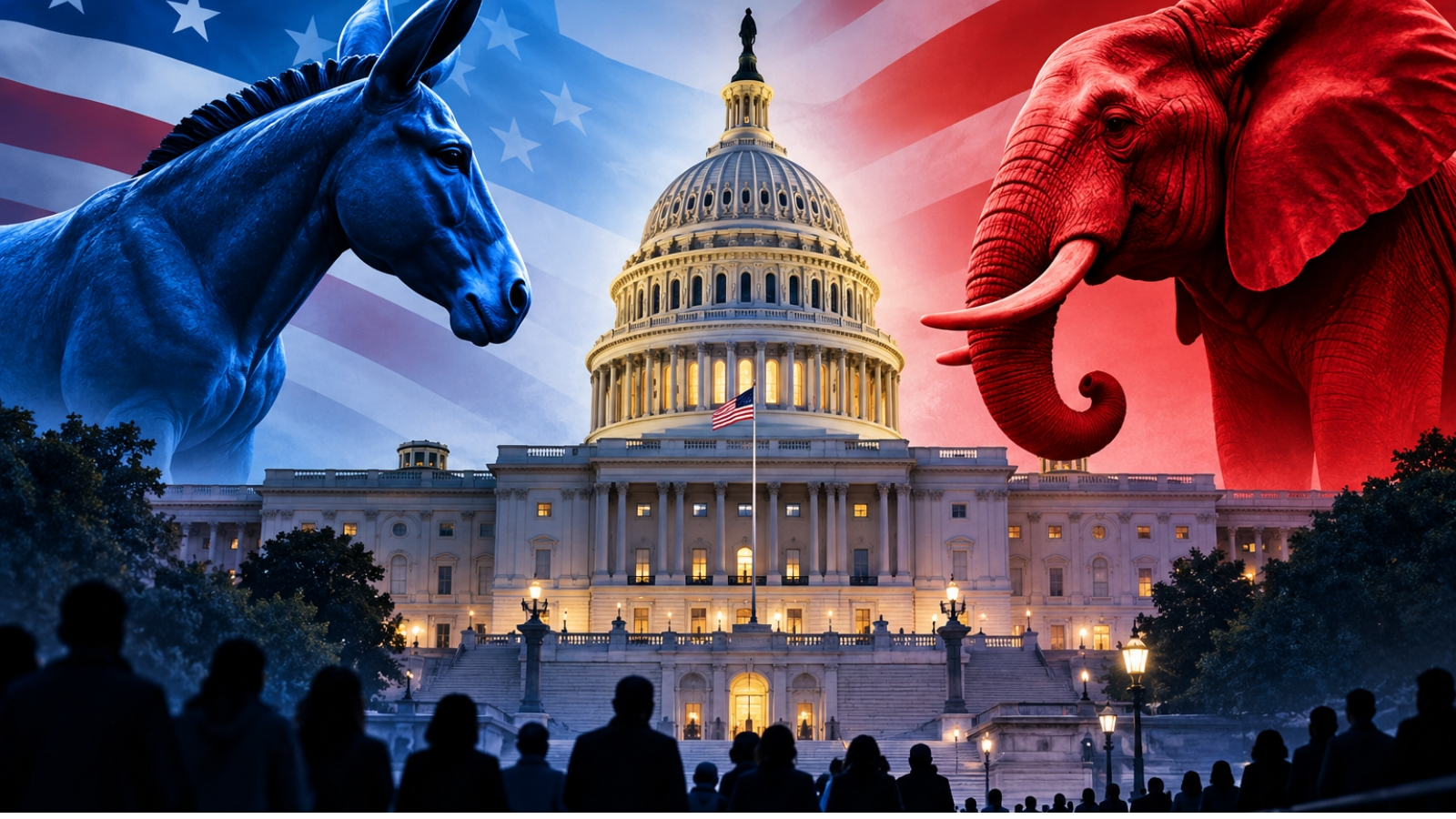
US Midterms Test Trump as Democrats Seek Control of Congress
At a Glance
US voters head to the polls on Tuesday, November 3, in midterm elections seen as a major test for President Donald Trump and the Republican Party.
All 435 voting seats in the House of Representatives and 35 Senate seats are being contested.
Governors’ races are also taking place in 36 states.
Recent polling gives Democrats an advantage in the national congressional vote, with control of Congress at stake.
Americans are voting in midterm elections that could reshape the balance of power in Congress, testing President Donald Trump’s political standing and determining whether Democrats can break the Republican Party’s control of both chambers.
Key Statements and Focus Areas
Control of Congress
Republicans enter the election controlling both the House and Senate, but Democrats are seeking gains that would give them greater influence over legislation, federal spending and oversight of the Trump administration.
House of Representatives
All 435 voting seats in the House are on the ballot. Democrats need a net gain of four seats to reach the 218-seat majority threshold, based on the chamber’s pre-election composition.
Senate
Thirty-five Senate seats are being contested, including regularly scheduled and special elections. Democrats need a net gain of four seats to secure a majority, while Republicans are seeking to preserve their narrow advantage.
Governors’ Races
Voters are also choosing governors in 36 states, adding a state-level dimension to an election dominated by national debates over the direction of the country.
The United States is holding midterm elections on Tuesday, November 3, in a contest that could reshape political power in Washington and determine how much room President Donald Trump has to advance his agenda during the remainder of his term.
Republicans currently control both chambers of Congress, but Democrats are hoping to capitalize on voter concerns and competitive races to regain control of at least one chamber.
All 435 voting seats in the House of Representatives are being contested. Based on the pre-election balance, Democrats need a net gain of four seats to reach the 218 seats required for a majority.
In the Senate, 35 seats are being contested. Republicans hold a 53–47 advantage when the two independents who caucus with Democrats are included in the Democratic-aligned total. Democrats need a net gain of four seats to secure control, while Republicans are seeking to defend their majority.
Governors’ races in 36 states are also being held, giving the elections implications beyond the federal government.
Recent polling has favored Democrats in the national congressional vote, although individual outcomes will depend on state and district-level contests. The results will determine whether Republicans retain control of Congress or face a Democratic-led chamber capable of challenging the administration’s legislative priorities and increasing congressional scrutiny.
FYI
Midterm elections take place halfway through a US president’s four-year term and are widely viewed as a referendum on the administration’s performance. A change in control of either chamber could complicate Trump’s legislative agenda, particularly on spending and domestic policy, while congressional oversight and confirmation powers could become central points of political conflict.
Oklahoma Man Charged Over Hundreds of White Powder Letters

At a Glance
Federal authorities have charged a man over letters sent to public officials.
The powders were nonhazardous, though testing is not complete.
The mailings targeted officials ahead of the 2024 and 2026 elections.
Federal authorities have charged an Oklahoma City man with sending hundreds of letters containing nonhazardous white powder to public officials ahead of the 2024 and 2026 elections.
Key Statements and Focus Area
On the Sender's Identity: The sender used the return address "U.S.T.E.A., United States Traitor Elimination Army, Takoma Park, MD." — Court filing by the FBI.
On the Message: A common message in the 2024 and 2026 mailings warned recipients of upcoming arrests for treason "or worse!!" — FBI affidavit by agent David Cole.
Focus Area: The arrest of Robin Martin and the investigation into more than 700 suspicious mailings sent to election officials and other public figures.
Robin Martin, arrested Monday, is charged with conveying a hoax and mailing threatening communications and was expected to appear Tuesday in US District Court in Oklahoma City.
The FBI said the powders turned out to be yeast or flour, though not every letter has been fully tested. Online records list no attorney for Martin, and relatives did not immediately respond to messages seeking comment.
Investigators believe more than 700 mailings were tied to the same sender, addressed to election officials, members of Congress, pollsters, news media and federal law enforcement.
The probe dates to 2024, when election officials in every state reported mail containing a white substance and a three-page letter declaring war, some with messages visible only under ultraviolet light.
Last month, authorities announced an investigation into letters with "suspicious substances" sent to congressional and election offices and urged recipients to treat them as potentially hazardous.
The mailings forced evacuations of election offices in Louisiana and Oklahoma in October, and offices in states from Idaho to Florida said they received letters or had them intercepted by the Postal Service.
The FBI said it has video of Martin's car stopping in October at Postal Service mailboxes in Oklahoma City, Dallas and San Antonio, and that fingerprints were recovered from a letter addressed to FBI Director Kash Patel, whose first name was written as "Kashyap."
Investigators also believe Martin, posing as "George Livingston," posted a message to a Democratic Socialists of America email list in October warning that members were traitors eligible for arrest for treason if they voted in the Nov. 3 election. The group apparently assisted the FBI in the investigation.
FYI
Mailing hoax substances to officials is a federal offense, and such letters typically trigger evacuations and hazardous-material responses until the contents are tested.
Election offices have faced a growing wave of threats in recent cycles, prompting closer coordination between election officials, the Postal Service and the FBI.
Bomb Threats Hit Toledo Polling Station and Schools on Election Day
At a Glance
A bomb threat was reported at a polling station in an elementary school in Toledo.
Several other threats were reported in and around the city.
Locations were evacuated as a precaution.
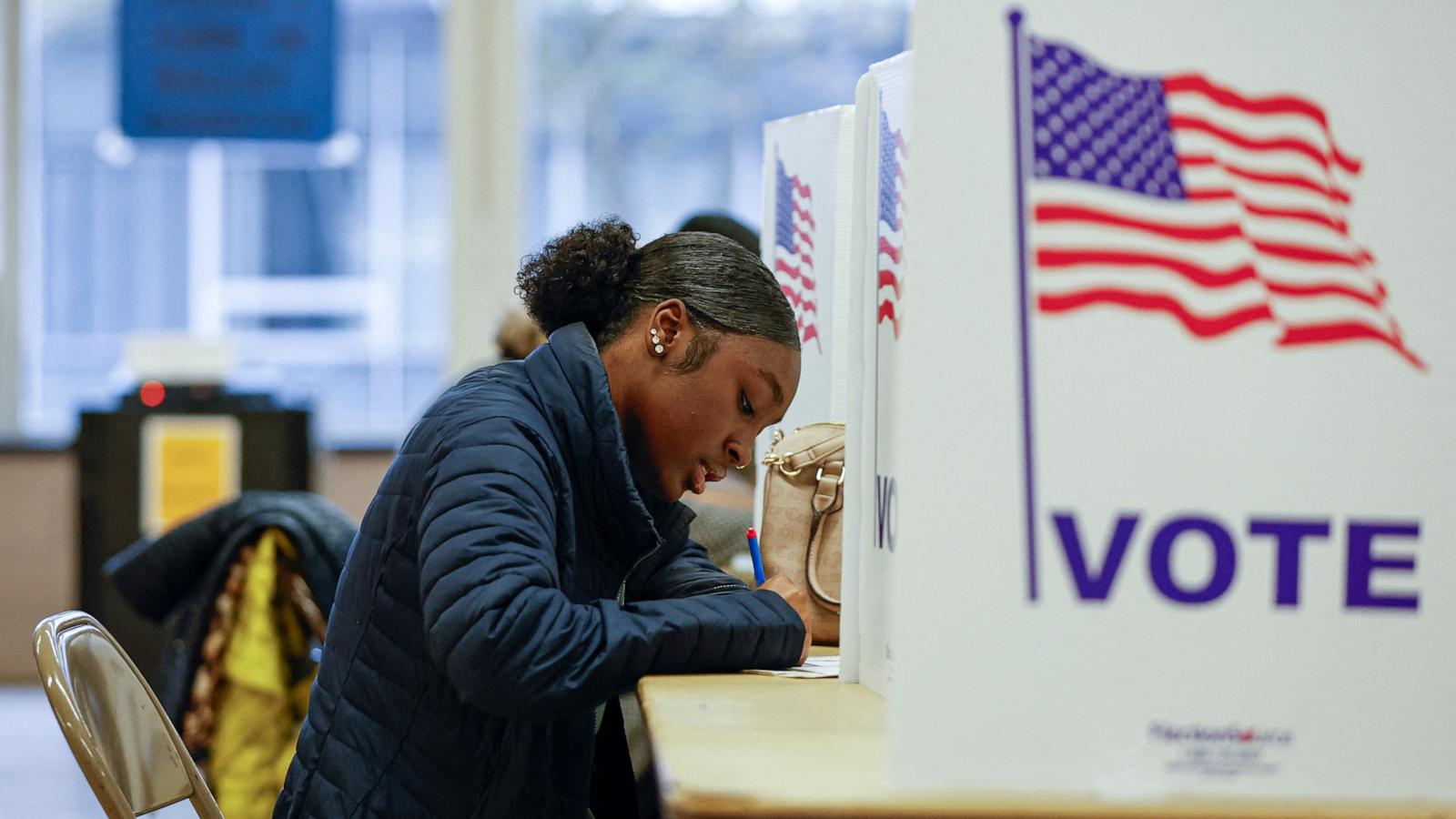
A bomb threat at a Toledo polling station set up in an elementary school was reported Tuesday morning, as authorities responded to multiple threats in and around the city on Election Day.
Key Statements and Focus Area
On the Nature of the Calls: The Bowling Green school district said two of its schools received "threatening calls" and that authorities believed they were potential swatting incidents, meaning hoax emergency calls made to draw a large police response to a specific location. — Bowling Green City School District.
On the Investigation: Toledo police said it was not known whether the two threats in the city were connected. — Toledo Police Department.
Focus Area: The wave of bomb threats and suspected hoax calls targeting a polling station and schools in the Toledo area on Election Day.
Toledo police said officers responded just before 10:30 a.m. local time to a reported bomb threat at the polling station at Beverley Elementary. A second threat followed minutes later, at about 10:39 a.m., at a location hosting a teacher's workday.
Both sites were evacuated as a safety precaution. Police notified the Northwest Ohio Bomb Squad and requested bomb detection K-9s to search both locations.
In nearby Bowling Green, students and staff were evacuated from the two schools that received the calls.
FYI
Swatting is the practice of making false emergency reports to provoke a heavy police response. Threats and hoax calls targeting polling places and schools have drawn repeated attention from election officials and law enforcement in recent election cycles, and authorities typically evacuate and sweep locations until they are declared safe.
Justice Department Preparing 20 Target Letters in Alaska Senate Probe
At a Glance
The Justice Department is sending target letters as part of a criminal investigation tied to Alaska's Senate race.
The probe is separate from a civil lawsuit over certification.
The activity comes on Election Day, breaking with long-standing norms.
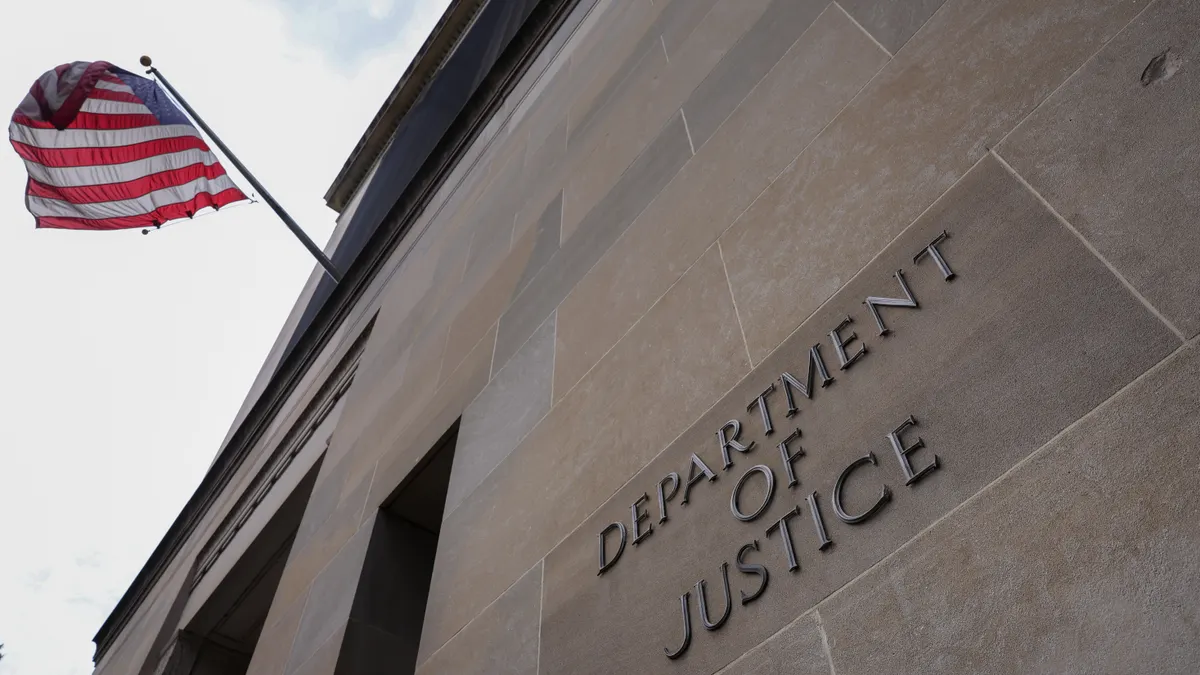
The Justice Department is in the process of sending 20 target letters as part of its investigation into the Dan J. Sullivan campaign in Alaska, according to two sources familiar with the matter.
Key Statements and Focus Area
On the Letters: Receiving a target letter does not mean an individual will be charged, and the recipients are not the entirety of those under investigation. The precise timing of the letters is unclear.
On the Scale of the Probe: The Justice Department has already issued 120 subpoenas for information as part of the investigation, the sources said.
Focus Area: The criminal investigation into the campaign of Daniel J. Sullivan Jr., the second Dan Sullivan on Alaska's Senate ballot, and its link to the Trump administration's legal push around the race.
The criminal probe is separate from the civil suit the Trump administration filed last month to block certification of the Alaska Senate race. That suit argues that the presence of Daniel J. Sullivan Jr. on the ballot could mislead supporters of the sitting Republican senator, Daniel S. Sullivan.
The administration also asked last week for a judge to order ballots segregated for the purposes of the investigation, if it becomes necessary.
FYI
A target letter is an official notification from prosecutors informing an individual or entity that they are a primary focus of a criminal investigation. A subpoena is a court order demanding documents or testimony in a criminal case.
The Justice Department typically avoids overt actions involving political candidates close to an election, but the Trump administration has departed from those norms in the lead-up to this year's vote.
Weather and Machine Glitches Disrupt Midterm Voting in Several States

At a Glance
Polls opened across much of the US with few disruptions overall.
Flooding and technical problems affected voting in some areas.
Officials urged late mail voters to use drop boxes or vote in person.
Polling sites opened Tuesday on the final day of the midterm elections with mostly smooth voting nationwide, though flooding and equipment failures caused problems in parts of the Southwest, Florida and New York.
Key Statements and Focus Area
Westchester County Executive on the Machine Failure: "The decisions and failures that led to this debacle." He called the situation "unacceptable" and said he would appoint a bipartisan team to review it. — Ken Jenkins, Westchester County Executive.
Voter on the Stakes: "I feel that there are threats to our democracy and I want to be part of correcting the course." — David Kastenberg, Philadelphia physician and voter.
Focus Area: The disruptions to Election Day voting caused by weather and technical failures, and officials' efforts to keep ballots accessible.
In Westchester County, New York, where a competitive House race is underway, tabulators stopped accepting paper ballots, so votes were placed in emergency bags to be counted later.
Officials said the ballots remain secure and monitored and that voters could keep casting them while the issue was fixed. Some voters chose to return later rather than cast provisional ballots.
In Florida's Broward County, a malfunctioning safety feature on a new voting system delayed voting by 20 minutes at polling places. Supervisor of Elections Joe Scott apologized, said the issue was resolved by 7:20 a.m., and urged anyone who left without voting to come back, though he had no estimate of how many did.
Heavy rain and flash flooding across Colorado, Arizona, Utah, and New Mexico were expected to make it harder for some voters to reach polling places.
The Navajo Nation changed several polling locations, and rural San Juan County in Utah allowed electronic voting for those unable to travel. Flooding in eight Florida counties also forced last-minute location changes.
Election administrators and advocates also advised late absentee voters to use drop boxes or deliver ballots in person, citing concerns that recent US Postal Service changes could cause postmarking delays. Late arrivals or postmarks disenfranchised tens of thousands of voters in this year's primaries in California, Oregon and Washington.
FYI
Election Day problems such as equipment failures and weather-related changes to polling places are common in US elections, which are run by thousands of local jurisdictions. Emergency paper ballot procedures and provisional ballots exist so that voters are not turned away when machines fail.
Few House Republicans Defend Harris-Won Seats in Midterms
At a Glance
A small group of House Republicans is defending districts that backed the Democratic presidential candidate in 2024.
Redistricting has changed the picture in several states.
The midterm elections are seen as a test of Trump's second term.
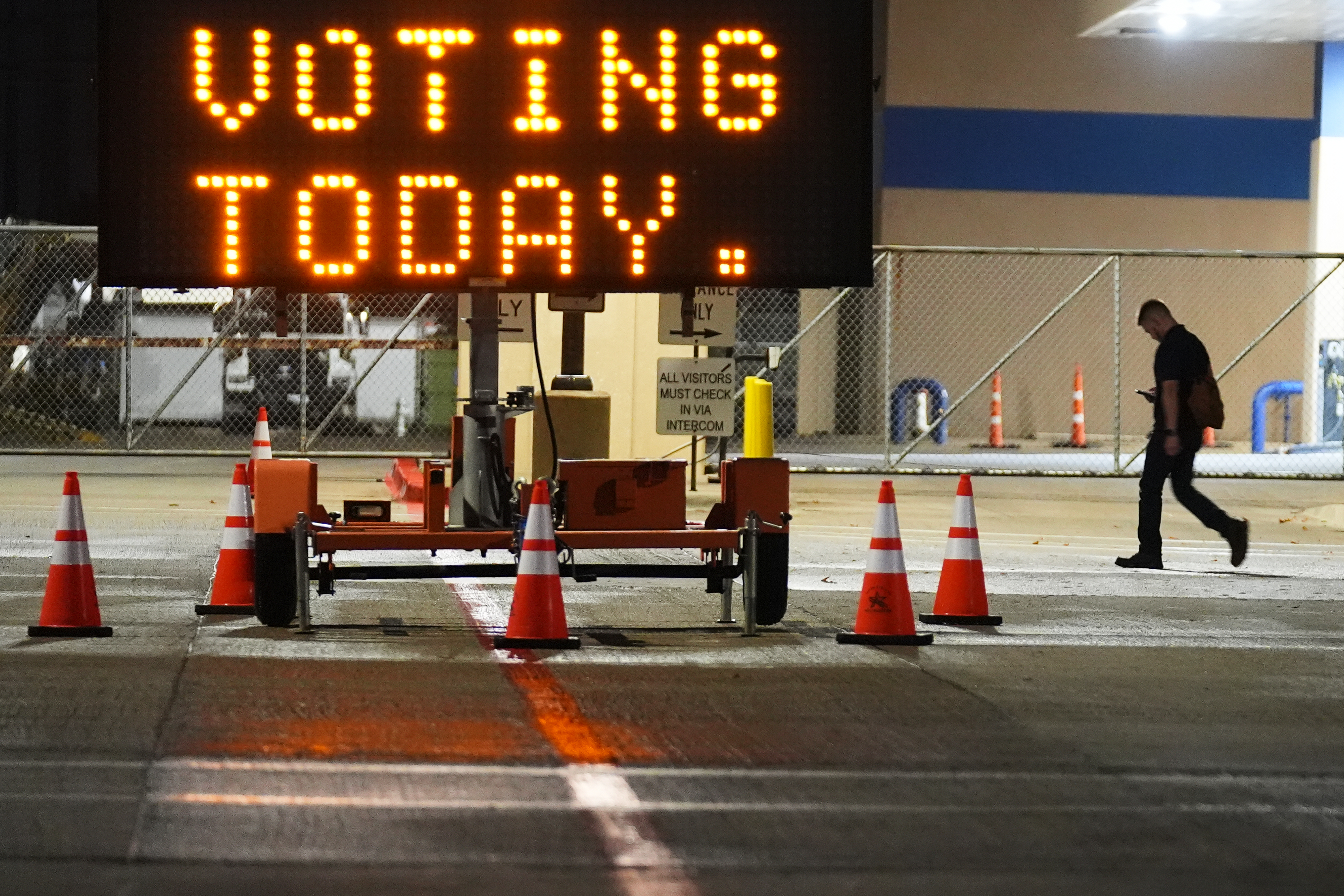
A handful of House Republicans are fighting to keep their seats in districts Kamala Harris carried in 2024, as voters cast their final ballots in midterm elections widely seen as a referendum on President Donald Trump.
Key Statements and Focus Area
The Original Three: Only three House Republicans held Harris-won seats before redistricting: Don Bacon in Nebraska's 2nd District, who is retiring, Mike Lawler in New York's 17th, and Brian Fitzpatrick in Pennsylvania's 1st. Lawler and Fitzpatrick are running in contested races.
Margins for Control: Democrats need a net gain of three seats to win the House and four to win the Senate. Many of the most competitive Senate races are in historically red states.
Focus Area: The Republicans defending Democratic-leaning House districts, and how redistricting and voter frustration have shaped the fight for control of Congress.
Redistricting battles set off by Trump, who sought more seats for his party, raised the number of Republicans in Democrat-leaning territory. Four California seats held by Republicans became more favorable to Democrats, and in one of them, Rep.
Kevin Kiley announced he was leaving the GOP to serve as an independent. A Utah seat held by a Republican also became Democratic-leaning after legal wrangling over the new map.
Voters struggling with high prices and angry over an unpopular war with Iran are expected to decide whether power in Washington shifts sharply.
Democrats are betting that discontent over Trump's unmet promise to tackle rising costs, and a perception that he has focused more on renovating the capital than on pain at the pump, will depress Republican turnout and energize their own voters.
Republicans spent the campaign's final stretch pouring tens of millions of dollars into states and districts Trump won handily two years ago.
They are counting on their large money advantage to limit losses, but they are bracing to lose the House and fighting to hold the Senate, an outcome that seemed unlikely earlier this year given a map widely seen as favoring them.
FYI
Midterm elections are held halfway through a president's term and often serve as a verdict on the party in power. The vote decides control of Congress for the final two years of Trump's second term, which will shape his ability to pass legislation and face oversight. Mid-decade redistricting is unusual, as district lines are normally redrawn only once every ten years after the census.
Haley Stevens Defends Backing Republican Mike Rogers in Michigan Senate Race
.avif)
At a Glance
Democratic Rep. Haley Stevens defended her decision to withdraw support for Democratic Senate nominee Abdul El-Sayed and endorse Republican Mike Rogers.
Stevens described the move as a “decision of conscience” and rejected claims that others influenced her.
Michigan Democratic Party Chair Curtis Hertel said Stevens was no longer a member of the party.
House Democrats are considering possible disciplinary action following the endorsement.
Democratic Representative Haley Stevens of Michigan is defending her last-minute endorsement of Republican Senate nominee Mike Rogers, insisting her decision was based on conscience as criticism from within her party intensifies ahead of the November midterm elections.
Key Statements and Focus Areas
Stevens Calls Endorsement a Decision of Conscience
In a lengthy social media post, Stevens said her decision to withdraw her endorsement of Democratic candidate Abdul El-Sayed and back Rogers was deliberate.
“It was a decision of conscience.”
Stevens said she had concluded that El-Sayed was not fit to serve in the U.S. Senate and chose Rogers in the hope that he would put country before party and challenge his own side when necessary.
She compared the kind of senator she hoped Rogers could become to the late Republican Senator John McCain, known for occasionally breaking with his party.
Pushback From Democrats
Stevens’ endorsement triggered a sharp response from Michigan Democrats. Party Chair Curtis Hertel said she was no longer a member of the party and would never be again. House Democrats are also weighing whether to take action against her.
Stevens said she respected Democrats who disagreed with her decision but called for the same respect in return.
“We can build a stronger, more welcoming, more courageous Democratic Party. And I plan to help lead that effort.”
Stevens Rejects Claims of Outside Influence
Stevens also pushed back against suggestions that her fiancé, Jason Turkish, influenced her decision. Turkish had said days earlier that he intended to vote for Rogers.
Calling such claims “sexism dressed up as political analysis,” Stevens argued that her political judgment should not be questioned simply because other Democrats disagreed with her conclusion.
A Sharp Reversal on Rogers
Stevens’ endorsement marks a significant reversal in her public position on Rogers. She had previously described him as “wrong for Michigan,” warned that he would be a “rubber stamp” for President Donald Trump and argued that Republicans should not gain another Senate seat.
Her change of position has drawn scrutiny in media interviews. Democratic Representative Debbie Dingell of Michigan described one of Stevens’ CNN appearances as “one of the most painful interviews I have ever watched.”
The dispute highlights divisions within Michigan’s Democratic Party as the state’s Senate race enters its final stretch. Stevens’ decision to back Rogers, the Republican nominee, has placed her at odds with party leaders and fellow Democrats at both state and national levels.
Her public defense centers on the argument that her endorsement reflects her own assessment of the candidates rather than pressure from outside actors. She has also framed the backlash as a test of whether the Democratic Party can accommodate internal disagreement.
The potential response from House Democrats remains an important development to watch. Any formal disciplinary action could deepen the dispute and draw further attention to the party’s divisions in a closely contested Senate race.
FYI
Michigan is a key battleground in the fight for control of the U.S. Senate, making prominent endorsements potentially consequential for both parties. Stevens’ reversal is particularly notable because she had previously criticized Rogers as closely aligned with Trump. Her decision has raised questions about party loyalty, candidate suitability and the limits of political dissent within party ranks. However, the impact of the endorsement on voters and the Senate race cannot be determined from the dispute alone.
NBC News Poll Shows Democrats Lead Preference for Congressional Control Ahead of Midterms
At a Glance
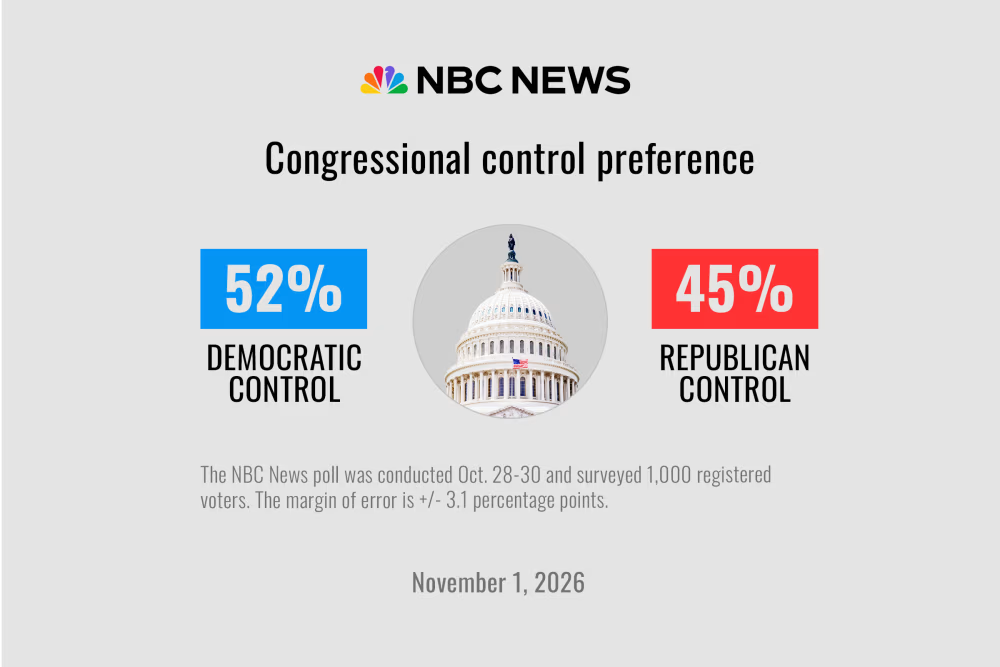
52% of registered voters prefer Democratic control of Congress.
45% prefer Republican control, a seven-point gap.
Three percent remained undecided in the survey.
The poll was conducted October 28–30 among 1,000 registered voters, with a margin of error of ±3.1 percentage points.
A new NBC News poll released November 1 shows Democrats holding a seven-point advantage over Republicans in voters’ preferences for control of Congress, as Americans prepare to vote in the November 3 midterm elections.
Key Statements and Focus Areas
Congressional Control Preference
According to the poll, 52% of registered voters want Congress to be controlled by Democrats, compared with 45% who prefer Republican control. Three percent remained undecided when the survey was conducted.
The Democratic lead widened by two percentage points compared with NBC News’ previous poll, which found 50% preferred Democratic control and 45% favored Republican control.
The Political Stakes
The poll comes as Republicans seek to defend their narrow majorities in both chambers of Congress. The election will determine all 435 seats in the House of Representatives and 35 Senate seats.
A change in control of either chamber could affect congressional oversight, legislative priorities and the administration’s ability to advance its agenda. Control of the House or Senate also influences committee leadership, investigations and the passage of legislation.
Polling Methodology
NBC News conducted the survey from October 28 to 30, interviewing 1,000 registered voters. The reported margin of error is plus or minus 3.1 percentage points.
The findings measure voters’ stated preferences for congressional control. They do not establish which party will win individual races or secure a majority, and the results may differ from the final election outcome.
The poll suggests Democrats enter Election Day with an advantage in the national preference for congressional control. However, national polling does not directly translate into seats: House races are decided in individual districts, while Senate contests are determined state by state.
The balance of power will depend on the distribution of votes across competitive races, turnout and the results in closely contested districts and states.
The survey also reflects voter preferences at a specific point in the campaign. Its findings should be considered alongside other polling, local race dynamics and the results as they are reported.
FYI
Midterm elections serve as a major test of the party holding the presidency and can reshape the relationship between the White House and Congress. A Democratic gain in either chamber could increase scrutiny of President Donald Trump’s administration and complicate its legislative agenda, while continued Republican control would give the president’s party greater capacity to advance its priorities. The NBC News poll captures national sentiment ahead of voting, but the final balance of power will be determined by individual election results.
Why Are Only 35 of the US Senate’s 100 Seats Contested in 2026?
At a Glance
The US Senate has 100 members, with each of the 50 states electing two senators.
Senators serve six-year terms, but elections are staggered across three groups.
Approximately one-third of the Senate faces voters every two years.
The system is designed to maintain continuity while allowing voters to periodically change the chamber’s composition.
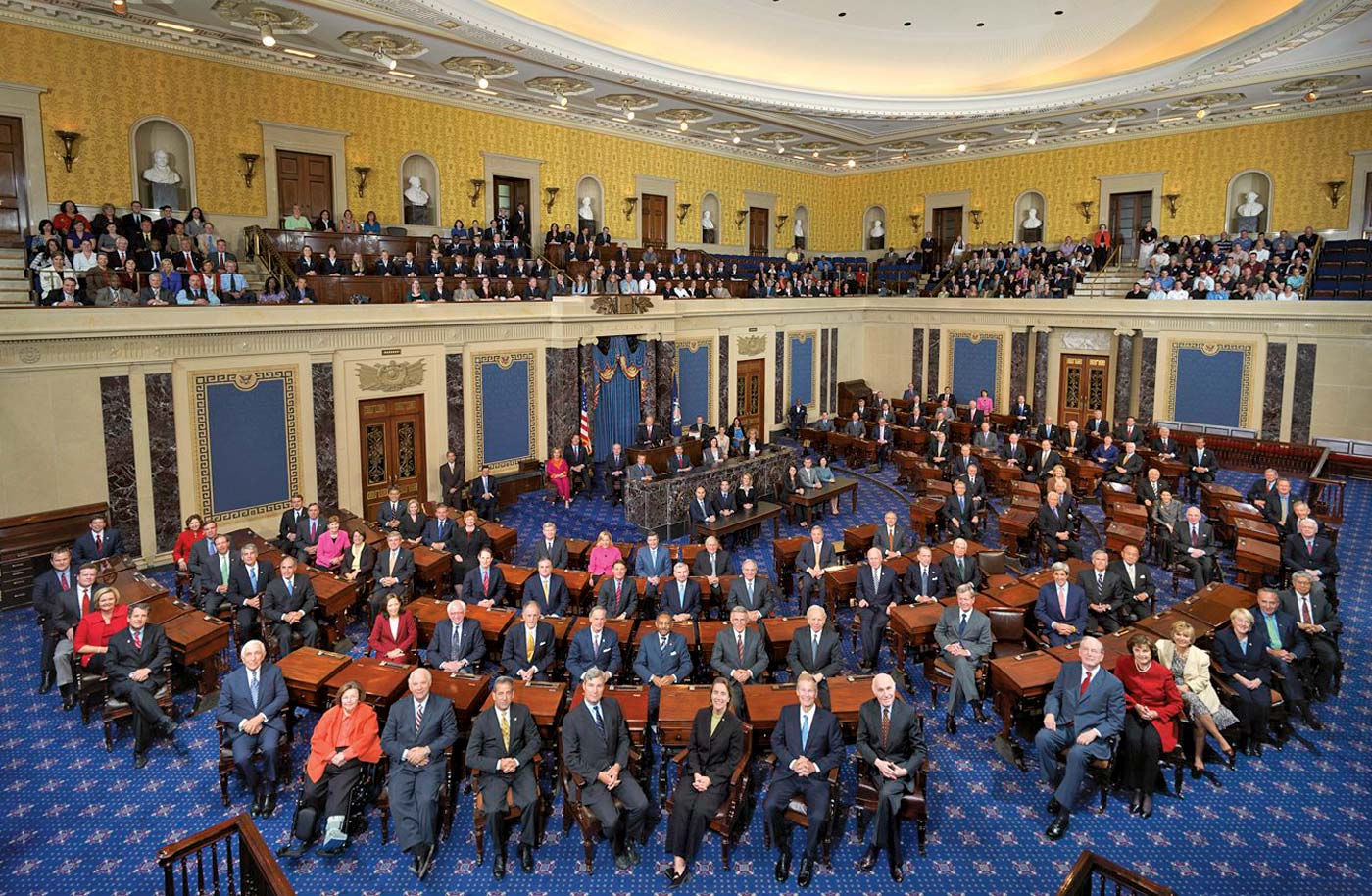
Although the US Senate has 100 seats, only 35 are being contested in the 2026 midterm elections. The limited number reflects a constitutional system of staggered six-year terms, designed to prevent the entire chamber from changing at once.
Key Statements and Focus Areas
Six-Year Terms, Staggered Elections
Each state elects two senators, giving the Senate a total of 100 members.
Senators serve six-year terms.
Senate seats are divided into three electoral classes, with roughly one-third contested every two years.
This means most senators remain in office while other seats are decided by voters.
Why the System Was Established
The arrangement was agreed upon during the 1787 Constitutional Convention.
Its purpose was to create stability and continuity in the Senate.
The staggered system allows the chamber to retain experienced members while still reflecting changes in public opinion through regular elections.
The US Senate has 100 seats, with each state represented by two senators. However, unlike the House of Representatives, where all 435 seats are contested every two years, Senate elections are staggered.
Under the US Constitution, senators serve six-year terms. Their seats are divided into three groups, known as classes, with elections held for one class every two years. As a result, approximately one-third of the chamber is contested during each election cycle.
The system was established during the Constitutional Convention in 1787. Its purpose was to create continuity in the legislative process and prevent a complete turnover of the Senate at a single election.
By keeping most senators in office while a smaller group faces voters, the system allows the chamber to retain institutional experience while remaining accountable to the electorate.
In 2026, 35 Senate contests are taking place, including two special elections to fill seats outside the regular election cycle. The results will help determine which party controls the chamber for the next congressional term.
FYI
The staggered Senate election system is one of the key differences between the two chambers of the US Congress. While the House is designed to respond more directly to changes in public opinion through elections every two years, the Senate's longer terms provide greater institutional continuity. The arrangement also means that a president's party may face different political conditions in each midterm cycle, depending on which Senate seats are scheduled for election.
Ten Senate Battlegrounds to Watch in the 2026 US Midterm Elections
At a Glance
Republicans enter Election Day with a 53–47 Senate advantage when the two independents caucusing with Democrats are included.
Democrats need a net gain of four seats to secure a Senate majority.
Thirty-five Senate contests are taking place, including two special elections in Florida and Ohio.
Ten closely watched races include Alaska, Georgia, Iowa, Kansas, Maine, Michigan, New Hampshire, North Carolina, Ohio and Texas.
Control of the US Senate is among the central stakes of Tuesday’s midterm elections, with competitive races across ten states drawing national attention as Democrats seek to overcome the Republican majority and gain control of the chamber.
Key Statements and Focus Areas
The Senate Balance of Power
Republicans currently hold 53 Senate seats, while Democrats hold 45. Two independents — Bernie Sanders and Angus King — caucus with Democrats, giving their side 47 seats for organizational purposes.
Democrats need a net gain of four seats to reach a 51-seat majority. Republicans can lose no more than three seats and retain control, assuming the current party alignment and no vacancies.
Thirty-five contests are being held: 33 regularly scheduled elections and two special elections in Florida and Ohio. The special elections are included in the total.
Ten States Under Close Watch
The following races are among the contests attracting attention. Polling averages and individual surveys can differ, and the figures below are snapshots rather than election results.
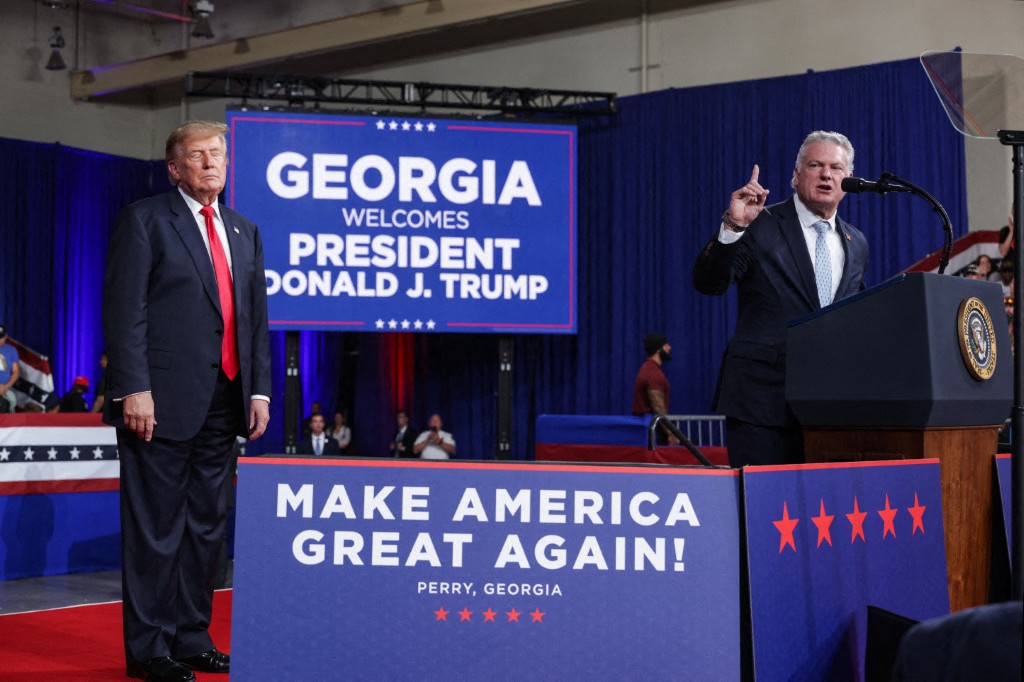
1. Georgia
Democratic Senator Jon Ossoff is seeking re-election against Republican Mike Collins.
Recent polling averages have placed Ossoff ahead.
Georgia is a Democratic-held seat, meaning Ossoff is defending his party’s position rather than seeking to flip a Republican seat.
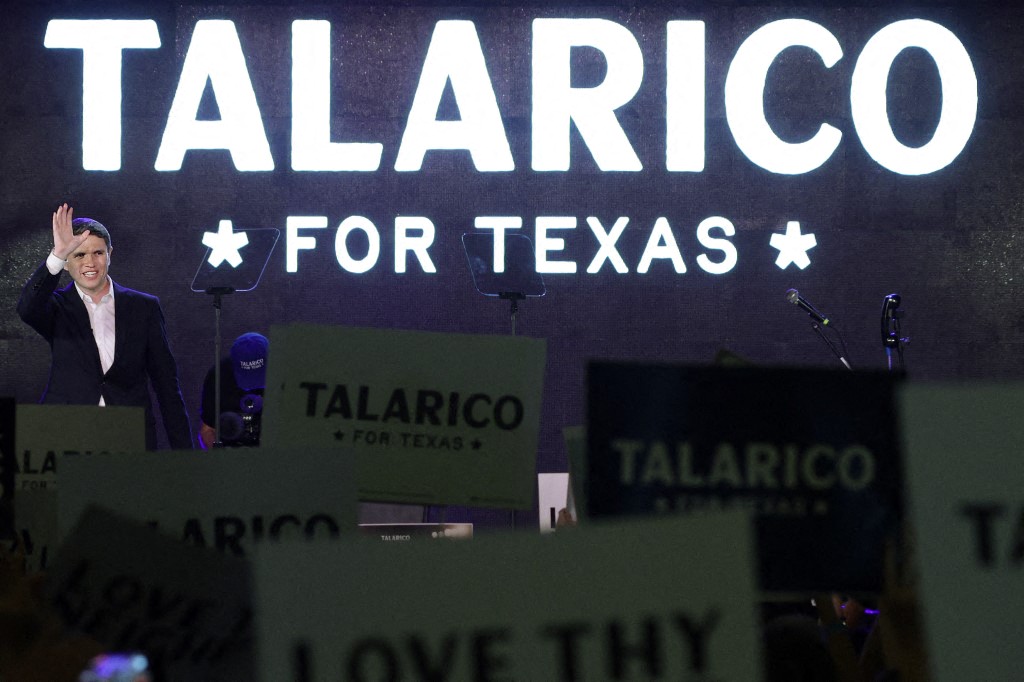
2. Texas
Democrat James Talarico is challenging Republican Ken Paxton.
Recent polling has shown a competitive race, with Talarico holding a narrow lead in several surveys.
A Democratic victory would mark a significant shift in a state that has not elected a Democratic US senator since 1988.
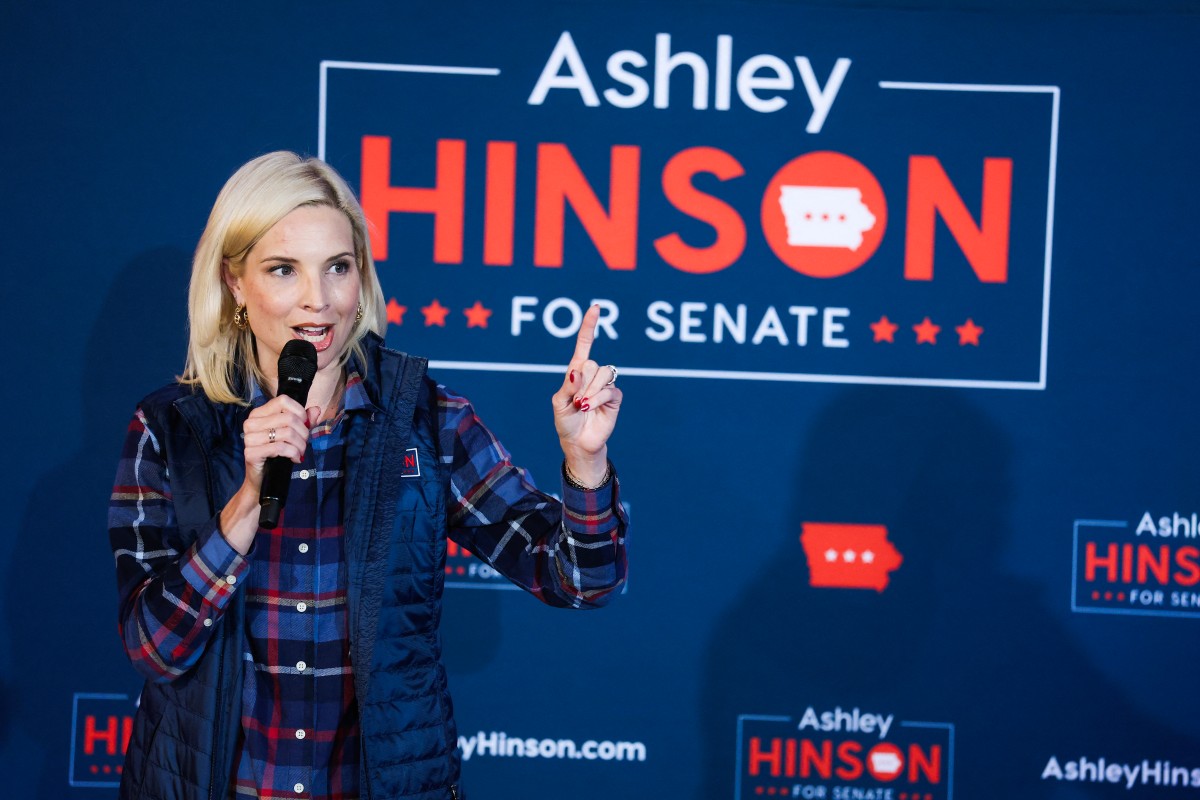
3. Iowa
Democrat Josh Turek is challenging Republican Ashley Hinson.
Recent polling averages have placed the candidates close, with Turek holding a narrow advantage in some measurements.
The race is notable in a state that has voted Republican in the last three presidential elections.
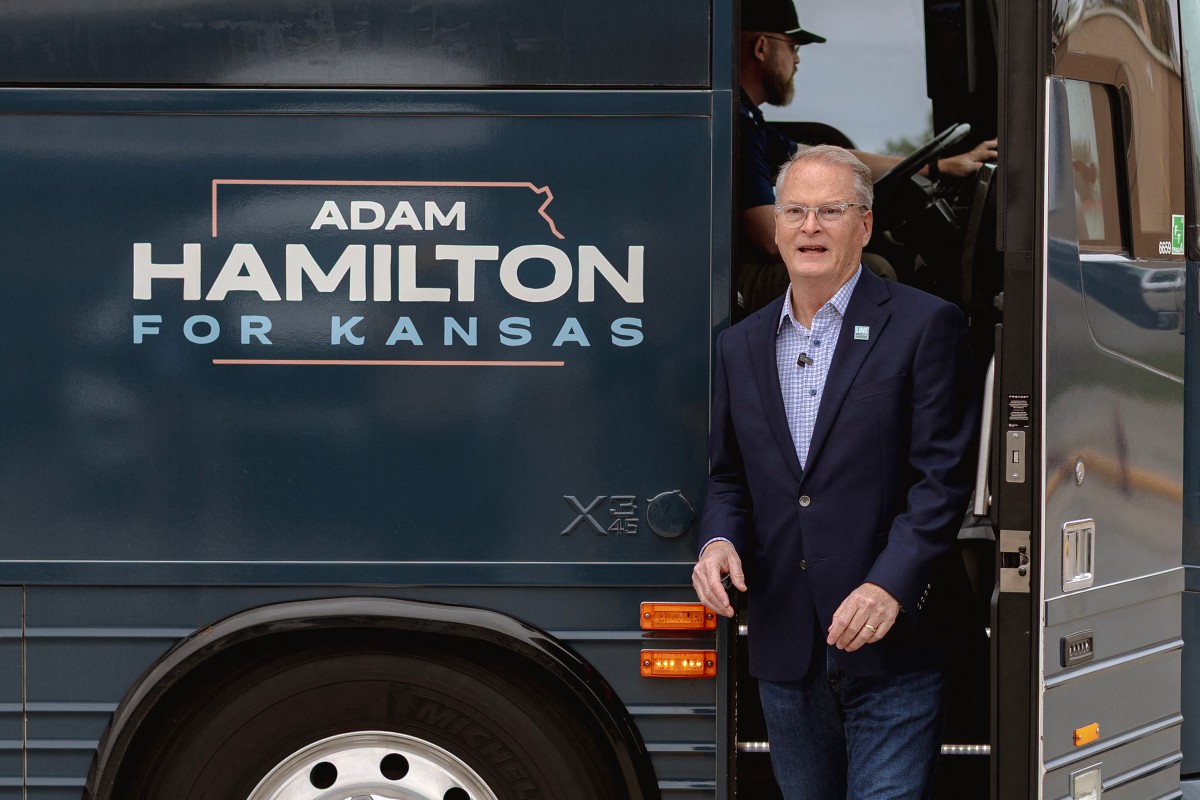
4. Kansas
Democrat Adam Hamilton is challenging Republican Senator Roger Marshall.
Polling has shown a competitive contest, with Hamilton ahead in some recent averages.
Kansas has not elected a Democratic US senator since 1932.
5. Maine
Democrat Troy Jackson is challenging Republican Senator Susan Collins.
Recent polling averages have placed Jackson ahead by a relatively narrow margin.
Collins has represented Maine in the Senate since 1997, making the race one of the closely watched contests involving a Republican incumbent.

6. New Hampshire
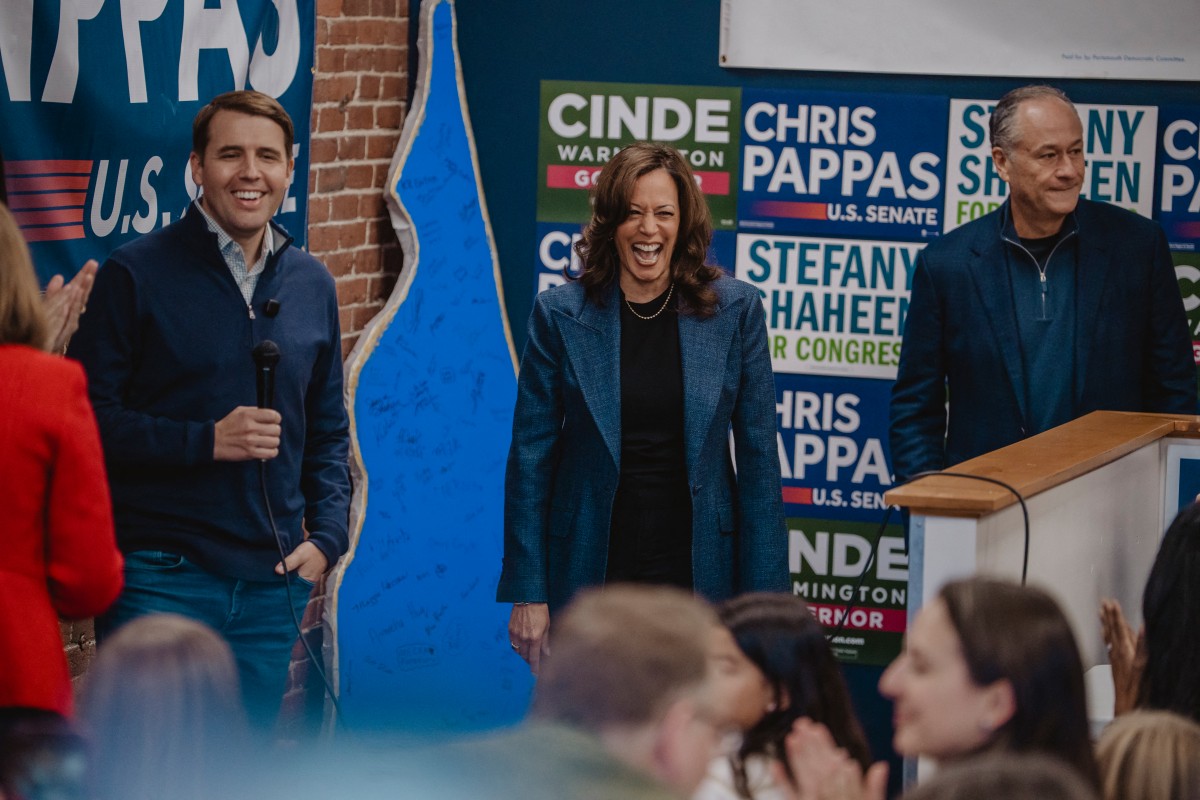
Democrat Chris Pappas is challenging Republican John Sununu for the seat being vacated by Democratic Senator Jeanne Shaheen.
Recent polling averages have shown Pappas leading.
The contest is important to Democrats as they seek to gain seats in the chamber.
7. Michigan
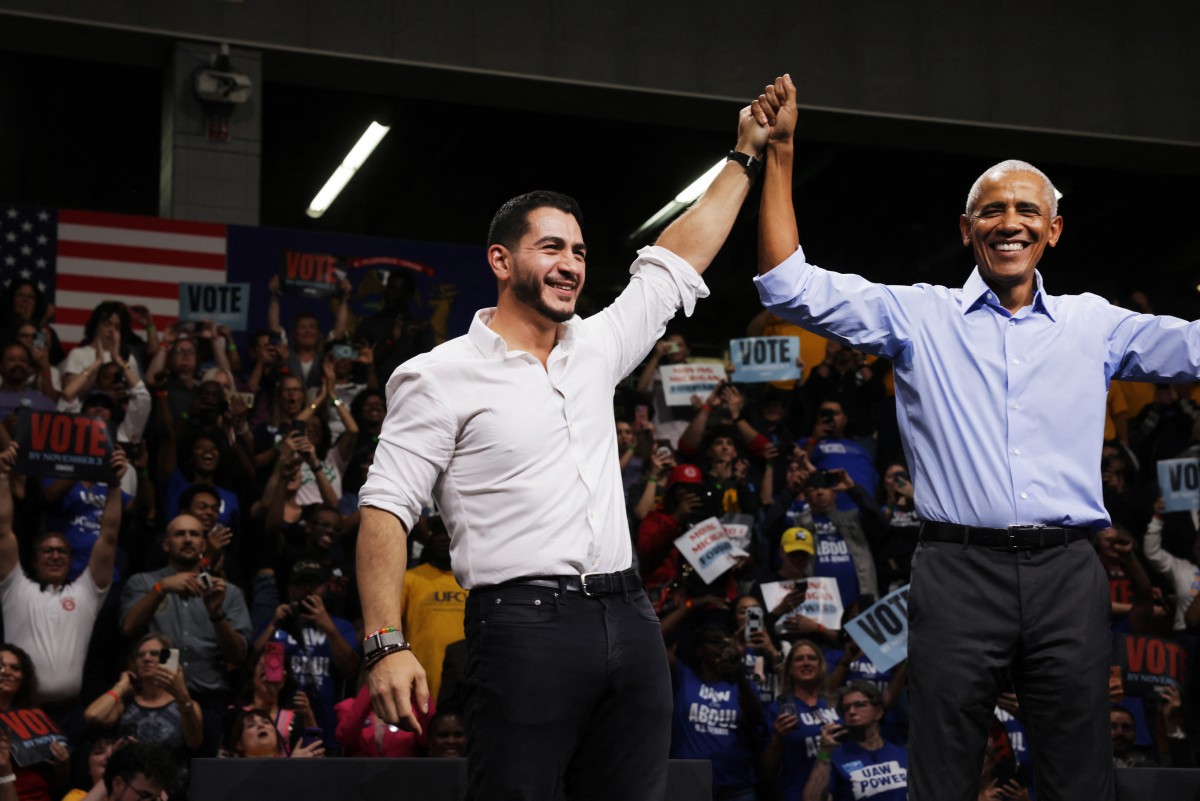
Democrat Abdul El-Sayed is challenging Republican Mike Rogers for the seat being vacated by Democratic Senator Gary Peters.
Polling has shown a competitive race, with some surveys giving El-Sayed a lead and others showing a narrower margin.
The contest has also drawn attention because of divisions within the Democratic Party during the primary campaign.
8. Ohio
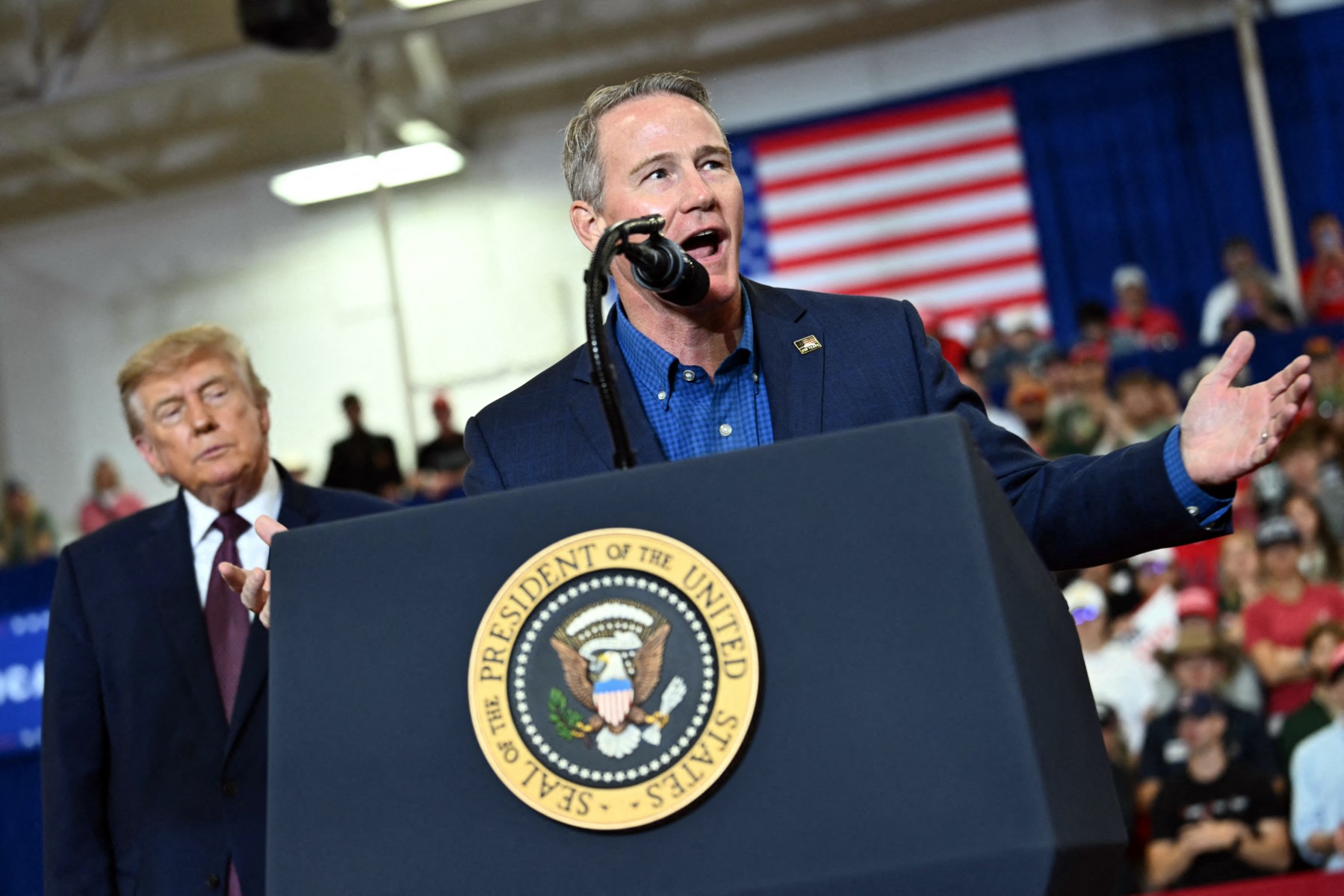
Democrat Sherrod Brown is challenging Republican Senator Jon Husted.
Recent polling has shown a close contest, with Brown holding a modest advantage in some averages.
Brown's bid to return to the Senate has made Ohio a key race for both parties.
9. North Carolina
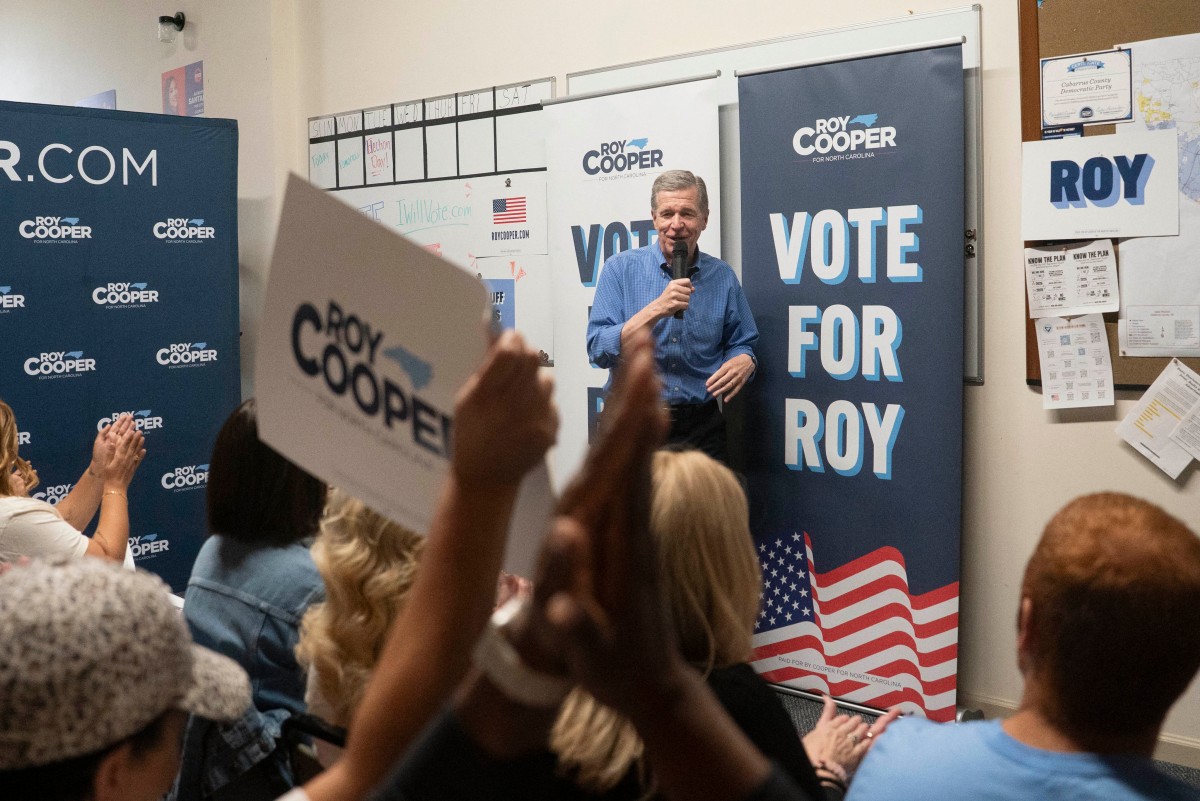
Democrat Roy Cooper is challenging Republican Senator Thom Tillis's successor, Michael Whatley.
Recent polling averages have placed Cooper ahead.
The contest is among the races Democrats are watching as they pursue the seats needed to take control of the Senate.
10. Alaska
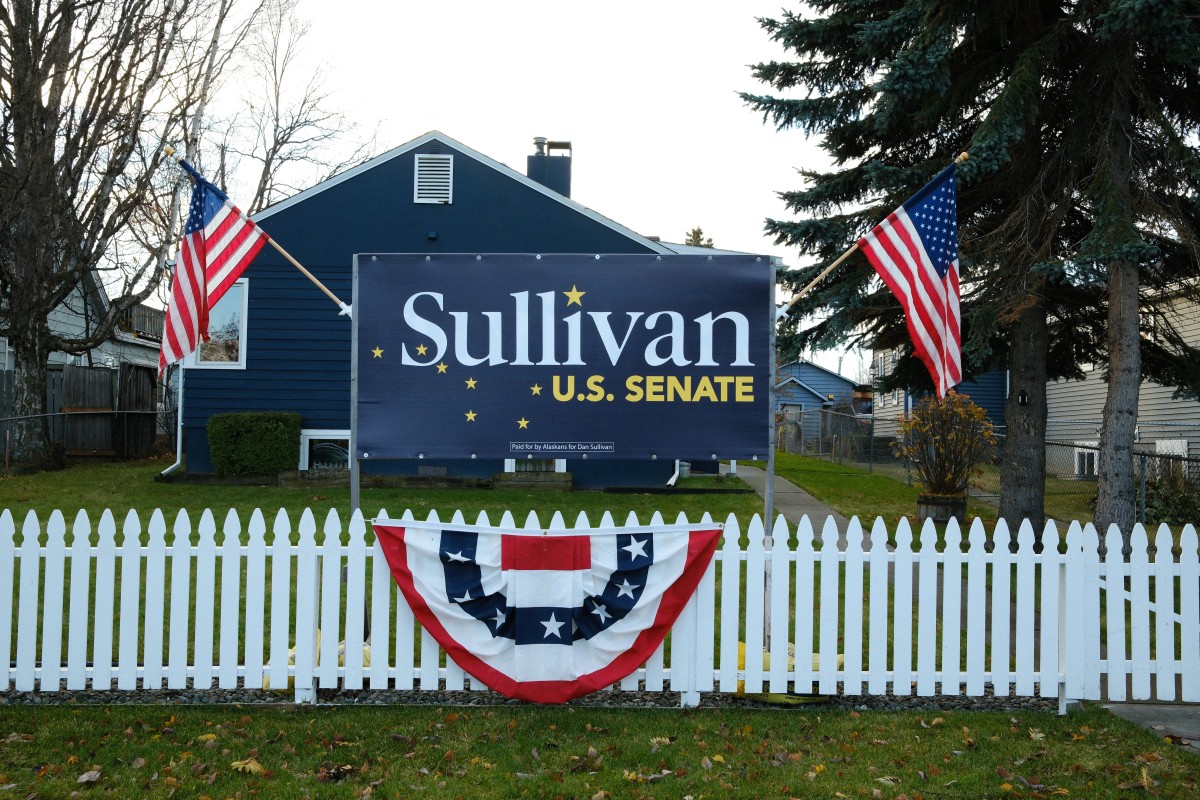
Democrat Mary Peltola is challenging Republican Senator Dan Sullivan.
Recent polling has shown the candidates running closely, with some averages giving Peltola a slight advantage.
Alaska's race is among the contests that could influence the final Senate balance.
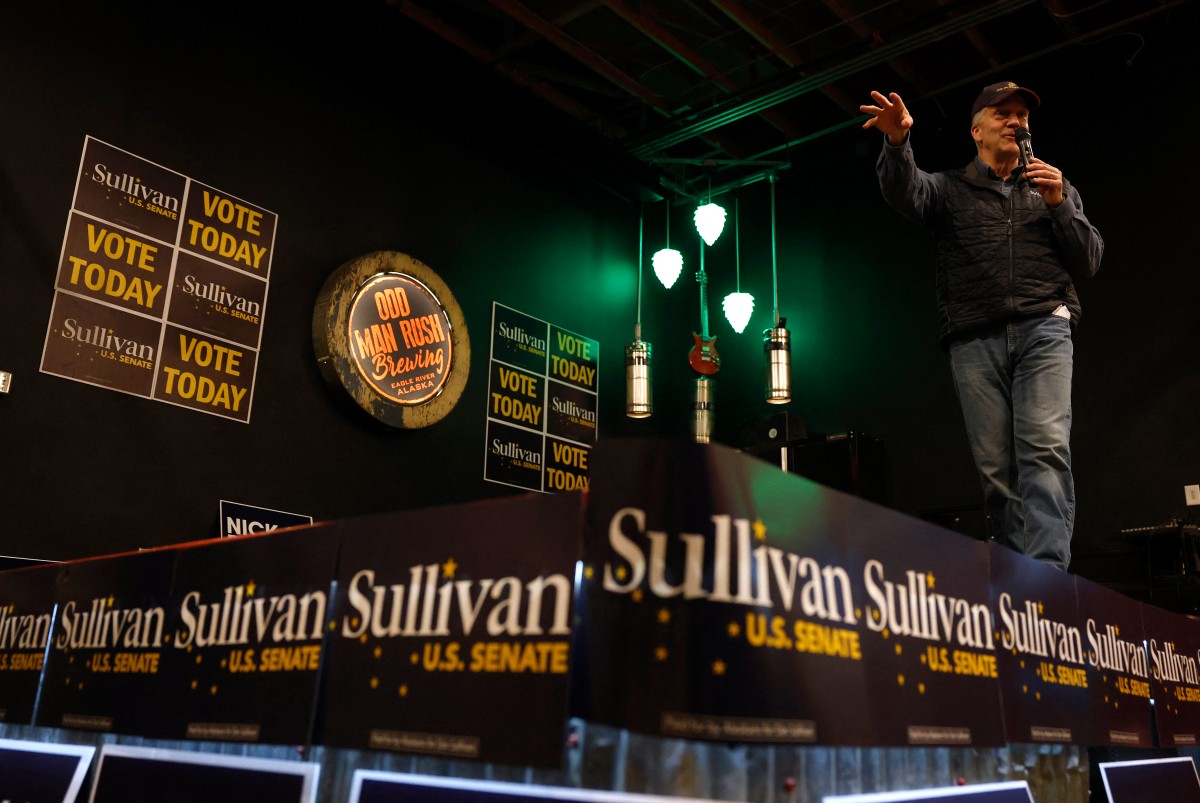
The battle for control of the US Senate is shaping up as one of the defining contests of the 2026 midterm elections. Republicans begin Election Day with 53 seats, compared with 45 Democrats and two independents who caucus with the Democratic Party.
Democrats need a net gain of four seats to secure a majority, making several Republican-held states important targets. Texas, Iowa, Kansas, Maine, New Hampshire, Ohio, North Carolina and Alaska are among the contests drawing attention, while Georgia and Michigan are also closely watched Democratic-held seats.
Polling averages published ahead of Election Day show competitive races in several states, including Iowa, Kansas, Alaska and Texas. Other contests, such as North Carolina and New Hampshire, have shown more consistent Democratic leads in recent polling. However, polling margins vary between surveys and do not determine the outcome of an election.
The Senate map also includes two special elections in Florida and Ohio, bringing the total number of contests to 35. The results will determine whether Republicans retain their majority or Democrats gain the seats needed to take control of the chamber.
FYI
The Senate's six-year terms are staggered, meaning only a portion of its 100 seats are contested every two years. In 2026, Republicans are defending more seats than Democrats, creating opportunities for the opposition but also requiring Democrats to protect their own vulnerable incumbents. A change in Senate control would affect the confirmation of presidential nominees, judicial appointments, legislation and congressional oversight of the Trump administration.
Abortion Rights Measures Put Voters in Four US States at the Center of Midterm Debate
At a Glance
Abortion policy is a major issue in ballot measures across Missouri, Idaho, Nevada and Virginia.
Missouri voters are considering repealing a 2024 constitutional amendment protecting abortion rights and replacing it with a new restriction.
Idaho and Nevada measures seek to protect abortion access before fetal viability.
Virginia voters are considering a constitutional amendment protecting abortion access during the first two trimesters.
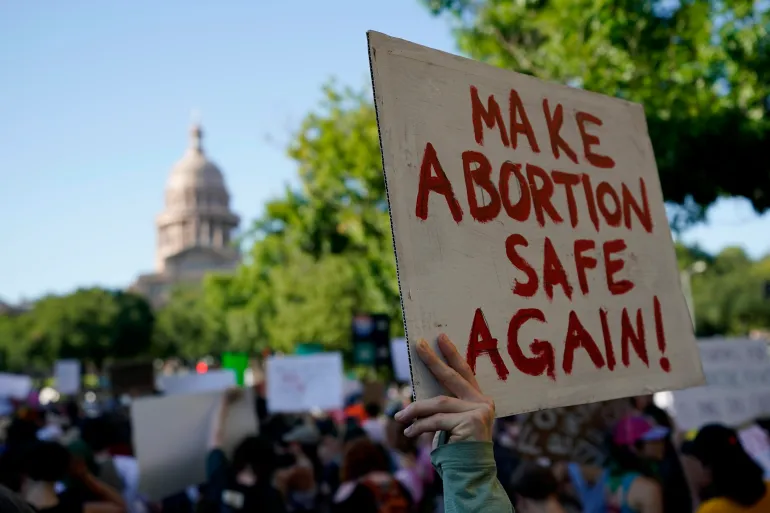
Abortion rights are among the key issues on the ballot in four US states in Tuesday’s midterm elections, as voters consider competing proposals that could reshape access to the procedure at the state level following the Supreme Court’s 2022 decision overturning the constitutional right to abortion established under Roe v. Wade.
Key Statements and Focus Areas
Missouri: Proposed Reversal of Abortion Protections
Missouri voters are deciding whether to repeal a 2024 constitutional amendment that restored abortion rights in the state.
The proposed replacement would prohibit most abortions while allowing exceptions for medical emergencies, fetal anomalies, and cases of rape or incest up to 12 weeks of pregnancy.
The measure was placed on the ballot by the Republican-led state legislature.
Campaigns on both sides have spent heavily to influence the outcome.
Idaho and Nevada: Protecting Access Before Fetal Viability
Measures in Idaho and Nevada seek to prevent the state from banning abortion before fetal viability, generally understood to occur at around 21 to 24 weeks of pregnancy.
Nevada previously approved its proposed constitutional amendment in 2024. Voters must approve it again in 2026 for it to take effect.
Virginia: First- and Second-Trimester Protections
Virginia voters are considering a constitutional amendment that would protect access to abortion during the first two trimesters.
The proposal would also establish conditions governing abortion restrictions later in pregnancy.
Abortion policy has become a central issue in several state-level contests during the 2026 US midterm elections, with voters in Missouri, Idaho, Nevada and Virginia deciding ballot measures that could determine the legal framework governing access to the procedure.
The measures reflect differing approaches to abortion policy following the US Supreme Court’s 2022 decision in Dobbs v. Jackson Women's Health Organization, which overturned Roe v. Wade and returned primary authority over abortion regulation to elected representatives at the federal and state levels.
In Missouri, voters are being asked whether to reverse a constitutional amendment approved in 2024 that protected abortion rights. The proposed replacement would prohibit most abortions, while providing exceptions for medical emergencies and fetal anomalies, as well as rape and incest up to 12 weeks of pregnancy.
The proposal was placed on the ballot by the Republican-led legislature. Campaigns supporting and opposing it have engaged in significant spending, reflecting the political and legal stakes of the vote.
In Idaho and Nevada, ballot measures seek to protect abortion access before fetal viability. Nevada's proposal requires approval for a second time after voters endorsed it in 2024, a requirement for the constitutional amendment to take effect.
Virginia's proposal would establish constitutional protections for abortion access during the first two trimesters, adding another state-level decision to the national debate over reproductive rights.
FYI
The four state measures illustrate how the legal landscape changed after the Supreme Court overturned Roe v. Wade in 2022. Abortion policy is now determined largely through state laws and constitutions, making ballot initiatives and state elections significant avenues for voters to shape access. The results could also influence future political campaigns and legal debates over reproductive rights across the country.
US Midterms Draw More Than 55 Million Early Voters as Georgia Sets Record
At a Glance
More than 55 million Americans have cast ballots ahead of the November 3 midterm elections.
Georgia recorded more than 2.8 million early votes, setting a new midterm turnout record.
Voters are deciding control of Congress, with 35 Senate seats and all 435 House seats up for election.
Gubernatorial contests are taking place in 36 states.
More than 55 million Americans have voted early in the 2026 US midterm elections, with Georgia recording more than 2.8 million ballots, as voters head to the polls in a nationwide contest that will determine control of Congress and dozens of state governorships.
Key Statements and Focus Areas
Early Voting Across the Country
More than 55 million ballots had been cast before Election Day, according to figures compiled by the University of Florida Election Lab.
Early voting has approached the total recorded during the 2022 midterms.
Several states, including Georgia, Texas and North Carolina, have reported particularly high participation.
Georgia Sets a New Record
More than 2.8 million Georgians cast ballots before Election Day, according to state figures.
The total surpassed Georgia’s previous midterm early-voting record, set in 2022.
The state is also among the closely watched battlegrounds, with competitive races for the US Senate and governor.
Key Races on the Ballot
US Senate: 35 of the chamber’s 100 seats are being contested.
House of Representatives: All 435 seats are up for election.
Governors: 36 states are holding gubernatorial elections.
The results will shape the balance of political power at both federal and state levels.
The 2026 US midterm elections are drawing substantial early participation, with more than 55 million ballots cast before Election Day, according to the University of Florida Election Lab. The figures indicate that early voting has nearly reached the total recorded during the 2022 midterm elections.
Georgia has emerged as one of the most closely watched states for turnout. More than 2.8 million ballots were cast before Election Day, setting a new record for early voting in a midterm election. The state is also a major political battleground, with competitive contests for a Senate seat and the governorship.
Nationwide, the elections will determine the composition of the next Congress. Thirty-five Senate seats are being contested, while all 435 seats in the House of Representatives are on the ballot. Voters in 36 states are also choosing governors.
The outcome will determine whether Republicans retain control of Congress or Democrats gain control of one or both chambers, potentially changing the legislative and oversight environment for President Donald Trump during the remainder of his term.
FYI
Midterm elections take place halfway through a president’s four-year term and often serve as a measure of public sentiment toward the administration. Control of Congress carries significant implications for legislation, federal spending, investigations and executive oversight. However, early-voting totals alone do not indicate which party or candidates are leading: ballots must be counted, and results will depend on Election Day participation as well as the distribution of votes across individual races.
Trump Could Face Turbulent Final Two Years After Midterms
At a Glance
The US midterm elections could reshape the final two years of Donald Trump’s presidency if Republicans lose control of Congress.
Trump has warned he could veto Democratic legislation and retaliate against investigations targeting his administration.
Foreign policy could remain a major area of presidential action, particularly regarding Iran, Ukraine and relations with China and Russia.
The elections could also intensify attention on potential Republican successors ahead of the 2028 presidential race.
US President Donald Trump could face a more turbulent final two years in office if Republicans lose control of either chamber of Congress in Tuesday’s midterm elections, with analysts anticipating possible clashes over investigations, legislation and foreign policy.
Key Statements and Focus Areas
A More Confrontational Presidency
Peter Loge, director of George Washington University’s School of Media and Public Affairs, told AFP:
“I’m skeptical that President Trump will go quiet into that good night.”
Loge said Trump had responded to political pressure by becoming more outspoken and confrontational.
Trump has also indicated that he would use his veto power against legislation advanced by Democrats if they gain control of Congress.
In an interview with the New York Post, he said:
“If we didn’t win, I veto everything.”
Trump also told Time magazine:
“They’ll probably go after me, and I’ll go after them.”
Potential Investigations and Election Disputes
A Democratic-controlled chamber could launch investigations into the Trump administration and potentially pursue impeachment proceedings.
Trump has suggested he would respond to investigations targeting him and could seek Justice Department investigations into Democrats.
The president could also challenge vote counts or certification processes in closely contested races, although any such action would face legal and institutional constraints.
Iran and US Foreign Policy
Foreign policy remains an area in which presidents retain considerable authority, even when their parties lose congressional control.
The possibility of renewed US military action against Iran remains part of the post-election outlook, although Trump indicated before Election Day that he was not considering an immediate resumption of strikes and that a diplomatic agreement could still be possible.
Ryan Hass of the Brookings Institution told AFP that Trump would not want his legacy to be defined by war, but rather by leaving the United States stronger.
Speculation has also surrounded the future of Defense Secretary Pete Hegseth amid the conflict with Iran.
Ukraine, Russia and China
Trump is expected to continue pressing Ukraine toward a negotiated settlement with Russia, with another round of trilateral talks reportedly planned.
He is also seeking improved relations with Chinese President Xi Jinping and Russian President Vladimir Putin.
A possible meeting involving the three leaders could take place in China later this month.
Hass said Washington could continue reducing its engagement with some NATO and other Western allies, while Trump is likely to remain active on trade policy.
The 2028 Presidential Race
Trump has not clearly endorsed either Vice President JD Vance or Secretary of State Marco Rubio as a potential Republican successor.
He has largely stopped suggesting that he could seek a third presidential term, which is prohibited by the US Constitution.
Analysts say he may seek to maintain his political influence by shaping the Republican Party’s choice of candidate for 2028.
Trump's Legacy in Washington
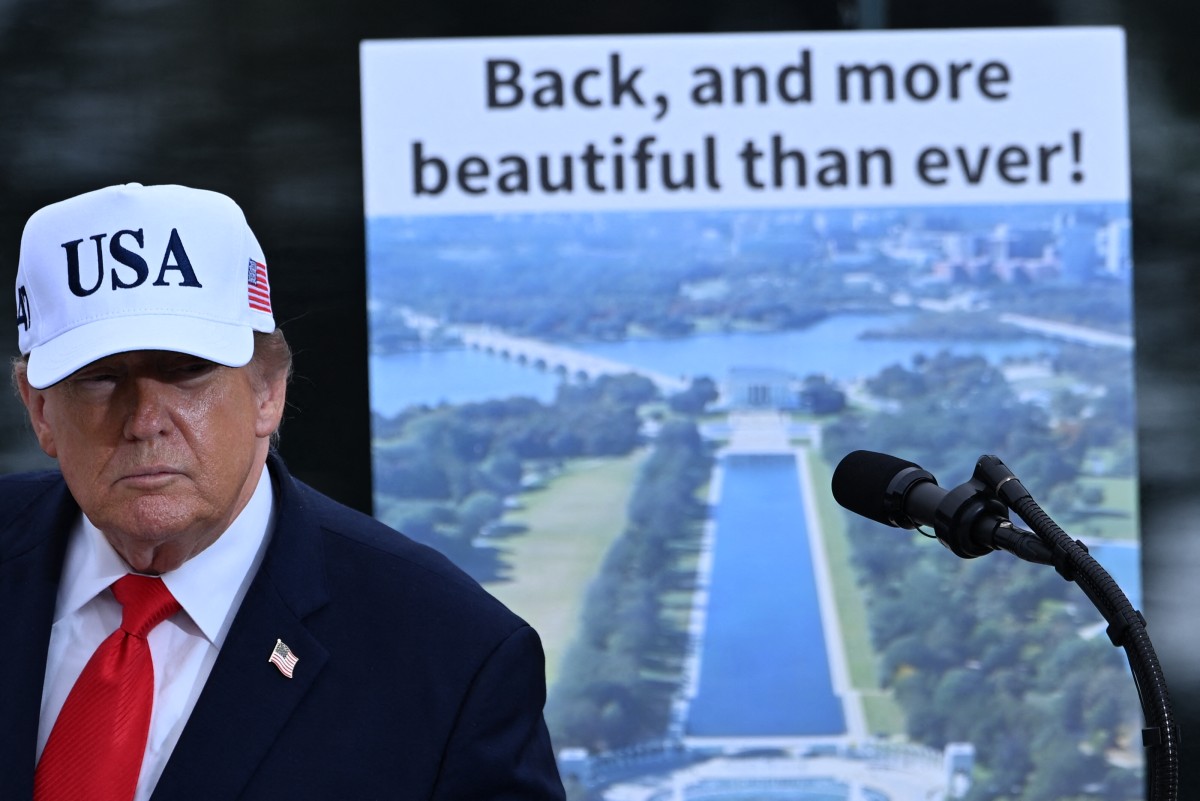
Trump has also highlighted plans to renovate and beautify parts of Washington, including the Reflecting Pool near the Lincoln Memorial.
During a visit on Monday, he said:
“We have a lot of great things planned for Washington.”
The November 3 midterm elections could determine the political environment in which Trump governs during the final two years of his second term. If Democrats take control of one or both chambers of Congress, the White House could face increased legislative resistance, congressional investigations and renewed impeachment discussions.
Trump has signaled that he would respond forcefully to such a scenario, including through the use of presidential vetoes and potential counter-investigations. His comments have reinforced expectations of a confrontational relationship with a Democratic-controlled Congress.
Foreign policy, meanwhile, could remain less constrained by a change in congressional control. The administration's approach to Iran, the war in Ukraine, relations with Russia and China, and commitments to NATO allies could all feature prominently in Trump's remaining time in office.
On Iran, the possibility of renewed military action remains uncertain. Trump has also left the door open to negotiations, making the direction of US policy dependent in part on whether diplomatic efforts produce an agreement.
Beyond immediate policy disputes, the elections could accelerate political attention toward the 2028 presidential race. Trump has not identified a preferred successor, while his plans to reshape Washington's landmarks suggest he is also focused on the legacy he hopes to leave behind.
FYI
The midterms are a key test of the balance of power between the White House and Congress. A change in control of either chamber would not remove Trump's presidential authority, but it could significantly affect his ability to advance domestic legislation, secure congressional support and respond to oversight. The Constitution gives Congress investigative and impeachment powers, while the president retains veto authority and broad responsibilities in foreign policy. The extent of any shift will depend on the election results and the size of the congressional majorities.
US Supreme Court Rejects Trump Bid to Block California Mail Ballots
At a Glance
The US Supreme Court rejected an emergency request by the Trump administration to block California from counting mail-in ballots from more than 20,000 registered voters.
Federal authorities questioned whether the voters were US citizens, but California challenged the allegations as unsubstantiated.
The decision leaves the disputed ballots eligible to be counted under existing state procedures.
The ruling comes as Republicans and Democrats compete for control of Congress in the midterm elections.
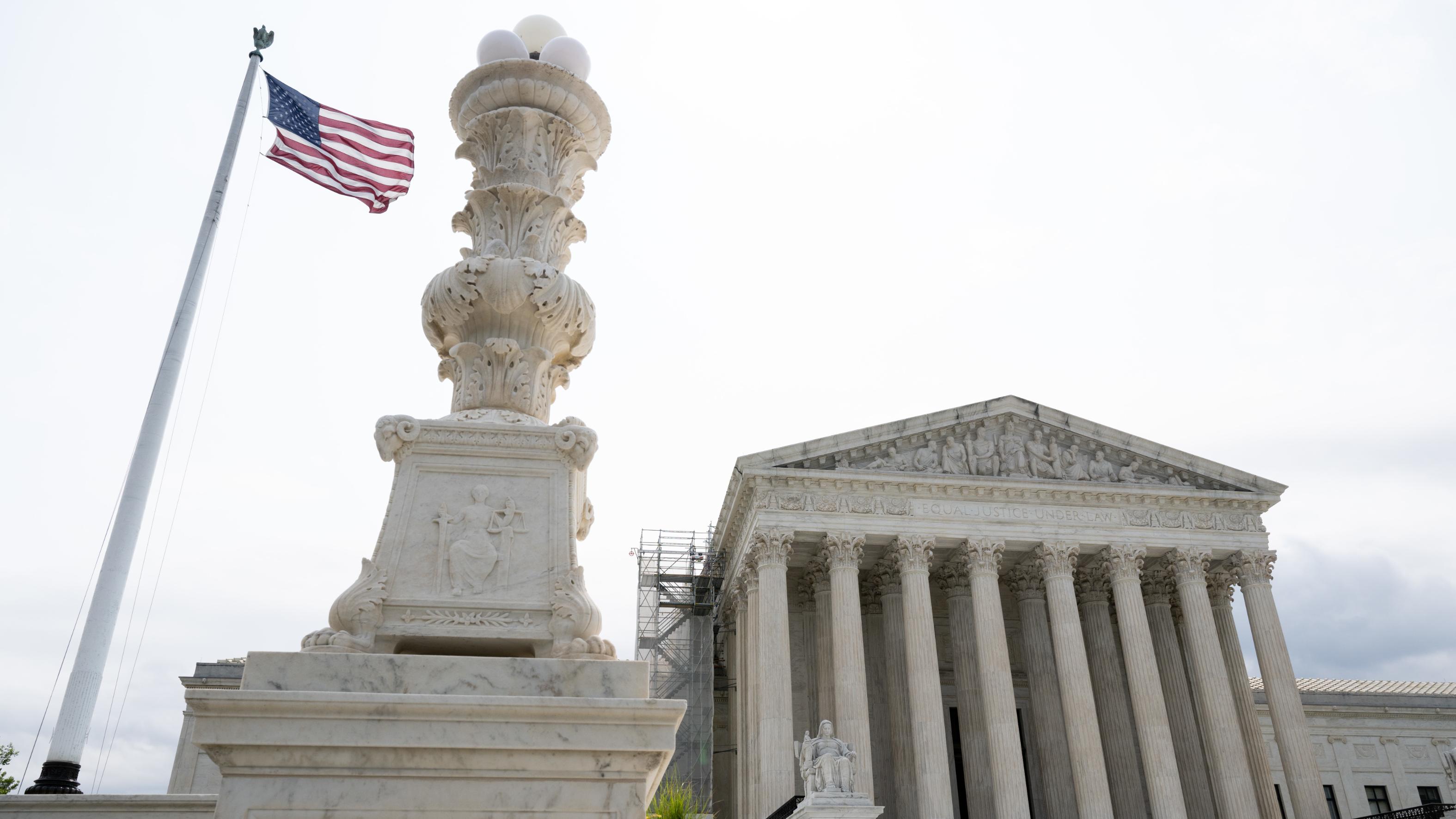
The US Supreme Court has rejected a Trump administration request to temporarily prevent California from counting mail-in ballots cast by more than 20,000 registered voters whose citizenship was questioned by federal authorities, hours before the state's midterm election voting deadline.
Key Statements and Focus Areas
Supreme Court Decision
The Supreme Court rejected the Justice Department's emergency application on Monday without providing an explanation. No justice publicly dissented, and the court did not request a response from California before issuing its decision.
The ruling followed a federal appeals court rejection of the administration's request on Friday.
Federal Government's Position
The Justice Department argued that ballots under dispute should be separated from other votes and withheld from counting until the citizenship status of the voters could be verified.
In its filing, the department warned that once disputed ballots were mixed with valid votes, they could not be recovered.
Acting Deputy Attorney General Trent McCotter said the department would continue pursuing available legal options to protect election integrity and enforce federal law.
California's Response
California Attorney General Rob Bonta described the federal request as an attempt to undermine the state's election process and pledged to defend voting rights.
The state argued that its safeguards against noncitizen voting were robust and that the federal government's voter-verification methods were potentially flawed and could produce inaccurate results.
The US Supreme Court on Monday rejected an emergency request by President Donald Trump's administration to prevent California from counting mail-in ballots submitted by more than 20,000 registered voters whose citizenship status had been questioned by federal authorities.
The Justice Department had asked the court to order California to separate the disputed ballots from other votes and withhold them until officials could verify that the voters were US citizens.
The court rejected the application in a brief, unexplained decision. No justice publicly dissented, and the court did not ask California to respond before issuing its ruling. A federal appeals court had also rejected the administration's request on Friday.
The Justice Department argued that counting the disputed ballots alongside other votes would make it impossible to identify and remove them later if they were found to be ineligible.
California officials disputed the federal government's allegations, saying the state's safeguards against noncitizen voting were strong. The state also argued that the federal government's methods for reviewing voter registration records were unreliable and could wrongly flag eligible voters.
California Attorney General Rob Bonta condemned the administration's legal action, calling it an attempt to undermine elections and pledging to defend the right to vote.
The case is part of the Trump administration's broader efforts to challenge aspects of election administration, including mail-in voting. The Supreme Court had rejected a separate administration effort to restrict mail voting in September, according to the supplied report.
The dispute also highlights tensions over election authority in the United States. The Constitution gives states primary responsibility for administering elections, while the federal government retains certain oversight powers.
California, the country's most populous state, holds 52 seats in the House of Representatives, making its electoral map particularly significant in the battle for congressional control.
FYI
The ruling comes amid heightened political scrutiny of election procedures and allegations of noncitizen voting. Studies and state audits have generally found that voting by noncitizens is rare. The case highlights the tension between efforts to verify voter eligibility and the risk of disenfranchising eligible voters through inaccurate challenges. Its timing, just before Election Day, adds another legal and political dimension to an already closely contested midterm election.
Trump Urges Republicans to Win Midterms by a “Landslide”
At a Glance
President Donald Trump urged Republicans to win the midterm elections by a “landslide.”
Trump warned that a Democratic takeover of both chambers of Congress could reverse his administration’s achievements.
He highlighted tax policies affecting tips, overtime pay and Social Security benefits.
The White House said Trump held 30 campaign rallies across 20 states during a 32-day campaign tour.
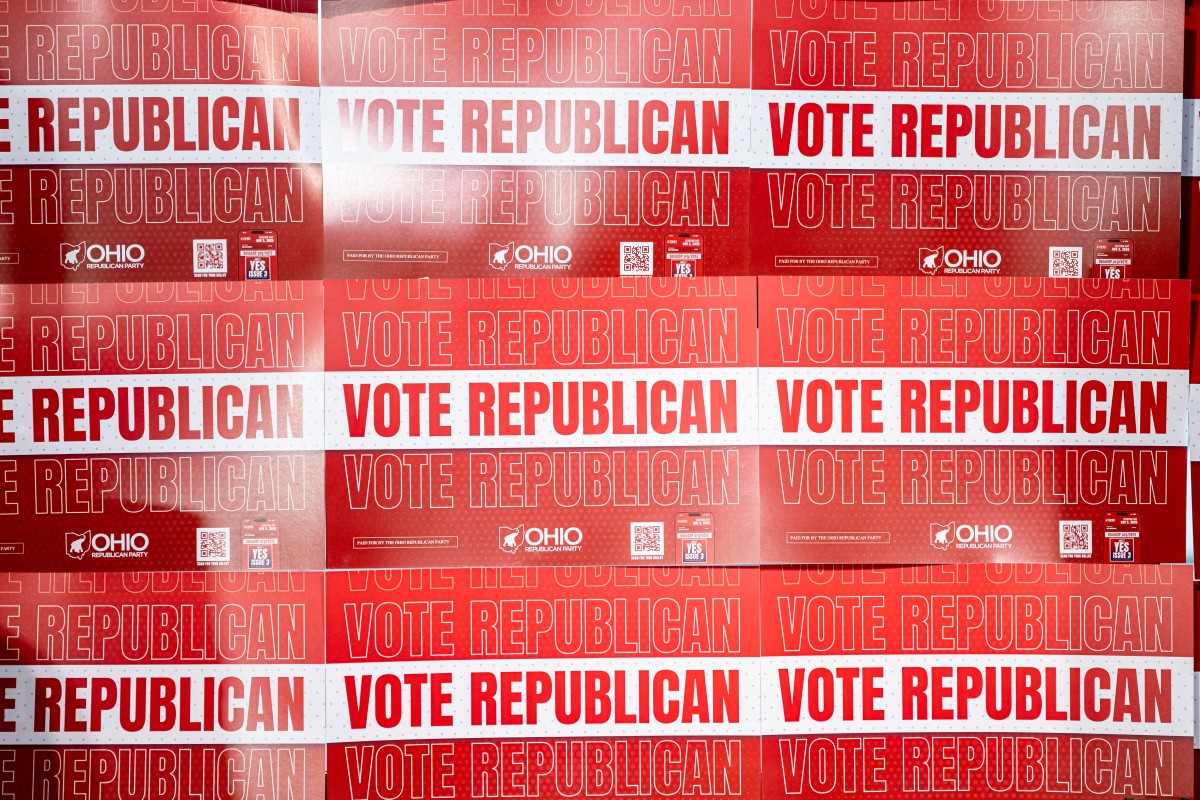
US President Donald Trump urged Republican voters to deliver a decisive victory in Tuesday’s midterm elections, warning that Democratic control of Congress could undo key policies and achievements of his administration.
Key Statements and Focus Areas
Trump’s Final Appeal
Speaking by phone to Sean Hannity on Fox News on Monday, Trump said Republicans should be able to win by a “landslide.”
“If our people vote, we’ll win by a landslide.”
Trump urged Republican supporters to turn out, saying his administration’s accomplishments could be reversed if Democrats gained control of both the House of Representatives and the Senate.
Tax Policies and Economic Claims
Trump pointed to policies involving tax exemptions for tips and overtime pay, as well as Social Security benefits, warning that these measures could be undone under Democratic control.
He also described the past two years as exceptionally successful and claimed his administration had helped create $25 trillion in wealth. The figure was presented as Trump’s claim and was not independently substantiated in the supplied report.
Campaign Tour
The White House said Trump held 30 campaign rallies across 20 states during a 32-day tour supporting Republican candidates in competitive races.
Trump said his Monday appearance marked the effective end of his campaign efforts, although he suggested he might appear on Fox & Friends on Tuesday morning.
US President Donald Trump made a final appeal to Republican voters on Monday, urging them to turn out in large numbers and secure a decisive victory in the midterm elections.
Speaking by phone to Fox News host Sean Hannity, Trump warned that his administration’s achievements could be reversed if Democrats took control of both chambers of Congress.
“Everything we’ve done, everything will be wiped out,” Trump said, referring to policies that include tax exemptions for tips and overtime pay and changes affecting Social Security benefits.
He urged Republican supporters not to take the election for granted, saying the party could secure a landslide victory if its voters participated.
Trump’s remarks followed an intensive campaign tour supporting Republican candidates in closely contested races. According to the White House, the president held 30 rallies across 20 states over 32 days.
During the interview, Trump praised his administration’s record, describing the past two years as exceptionally successful. He also claimed that his administration had helped create $25 trillion in wealth, without providing supporting details in the remarks cited.
Trump further argued that the United States had regained international respect, describing the country as the world’s most powerful.
The midterm elections will determine whether Republicans retain control of the House and Senate. The results could shape the administration’s ability to advance legislation and determine the extent of congressional oversight during the remainder of Trump’s term.
FYI
Midterm elections often serve as a political test for a sitting president, with voters weighing the administration’s record and the direction of national policy. A Democratic takeover of either chamber could complicate Trump’s legislative agenda, while a Republican victory would strengthen his ability to pursue his priorities. Trump’s warnings underscore the stakes for both parties as control of Congress hangs in the balance.
US Midterm Elections: Polls Favor Democrats in Battle for Congress
At a Glance
US midterm elections will determine control of Congress and shape President Donald Trump’s remaining legislative agenda.
Democrats need four net Senate seats and three additional House seats, according to the supplied report.
Forecasts from Decision Desk HQ give Democrats a 57% chance of winning the Senate and an 80% chance of winning the House.
Close races across several states could determine control of both chambers, while vote counting timelines vary by state.
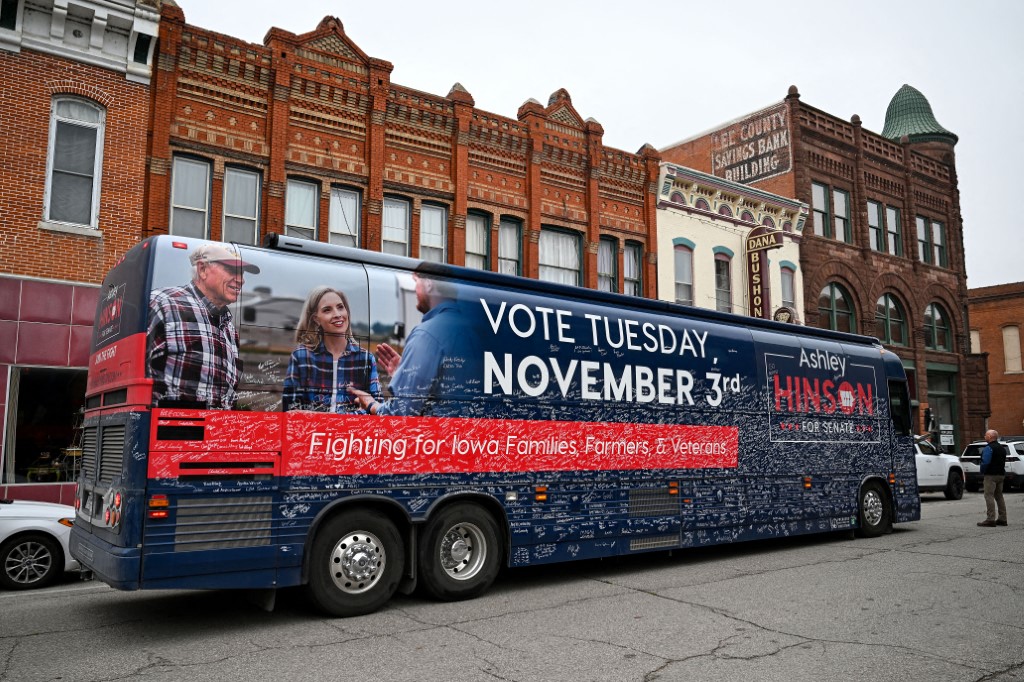
US voters are heading to the polls in a closely watched midterm election that could reshape control of Congress, with Democrats seeking to overturn Republican majorities and challenge President Donald Trump’s political agenda.
Key Statements and Focus Areas
Forecasts and Polling
Decision Desk HQ, a nonpartisan election forecasting organization, gave Democrats a 57% chance of gaining control of the Senate and an 80% chance of taking the House, according to estimates cited in the supplied report.
The forecasts indicate a competitive Senate map, with several races expected to be decided by narrow margins.
Senate Battlegrounds
North Carolina was identified as one of Democrats’ strongest opportunities to gain a Senate seat. Other closely contested races include Alaska, Maine, Texas, Ohio, Iowa and Kansas.
Democrats are also defending seats in Georgia, Michigan and Minnesota, while some less competitive states could become targets if the party performs better than expected.
House of Representatives
All 435 House seats are being contested. Democrats are seeking the net gains needed to regain the majority, while Republicans are relying in part on redistricting changes and their performance in conservative districts to retain control.
The supplied report cited an 8.1-percentage-point Democratic lead in the national congressional ballot polling average.
Vote Counting and Certification
Vote-counting timelines vary by state. Some states are expected to report results relatively quickly, while close contests and the processing of mail ballots could delay projections in states including Michigan, Wisconsin and Pennsylvania. California may take longer to complete its count.
Newly elected federal lawmakers are generally scheduled to take office on January 3, 2027, while winners of certain special elections may begin serving earlier.
The US midterm elections are set to test the political standing of President Donald Trump and determine whether Republicans retain control of Congress or Democrats regain power in one or both chambers.
The elections cover all 435 voting seats in the House of Representatives, 35 Senate seats and gubernatorial contests in several states. State legislatures and local offices are also on the ballot.
According to the figures cited in the supplied report, Decision Desk HQ gave Democrats a 57% chance of taking the Senate and an 80% chance of winning the House. The forecasts reflect a competitive political landscape, but they do not guarantee an outcome, particularly in Senate races where polling margins remain narrow.
North Carolina was identified as a leading Democratic opportunity in the Senate, with competitive contests also reported in Alaska, Maine, Texas, Ohio, Iowa and Kansas. Democrats are also defending seats in Georgia, Michigan and Minnesota.
In the House, Democrats need a relatively small net gain to regain control, while Republicans are seeking to protect their majority. Redistricting has altered the electoral landscape in some states, potentially affecting the number of competitive districts.
The timing of results will depend on state election rules and the closeness of individual races. Some states can count ballots relatively quickly, while others may take longer because of mail voting procedures and narrow margins. A delay in projecting a winner does not necessarily indicate a problem with the vote count.
Members elected to Congress are generally scheduled to take office on January 3, 2027. Some special-election winners, however, may assume office earlier, depending on the circumstances of the vacancy and applicable procedures.
FYI
Midterm elections often serve as a measure of public support for the sitting president and can significantly affect the administration’s ability to advance legislation. If Democrats gain control of either chamber, they could exert greater influence over spending, legislative negotiations and congressional investigations; if Republicans retain both, Trump would have a stronger path to pursue his priorities.