New Delhi Enforces Strict Anti-Pollution Measures, Work-From-Home Rules Amid Toxic Smog
At a Glance
New Delhi authorities implemented stricter anti-pollution measures starting Sunday, including doubled parking fees and work-from-home orders for government and private offices to cut traffic emissions.
The restrictions ban non-compliant vehicles from entering the capital and immediately halt all dust-generating demolition and outdoor construction activities.
Chief Minister Rekha Gupta's office announced the launch of Delhi's Winter Action Plan, featuring enhanced enforcement and 24/7 monitoring.
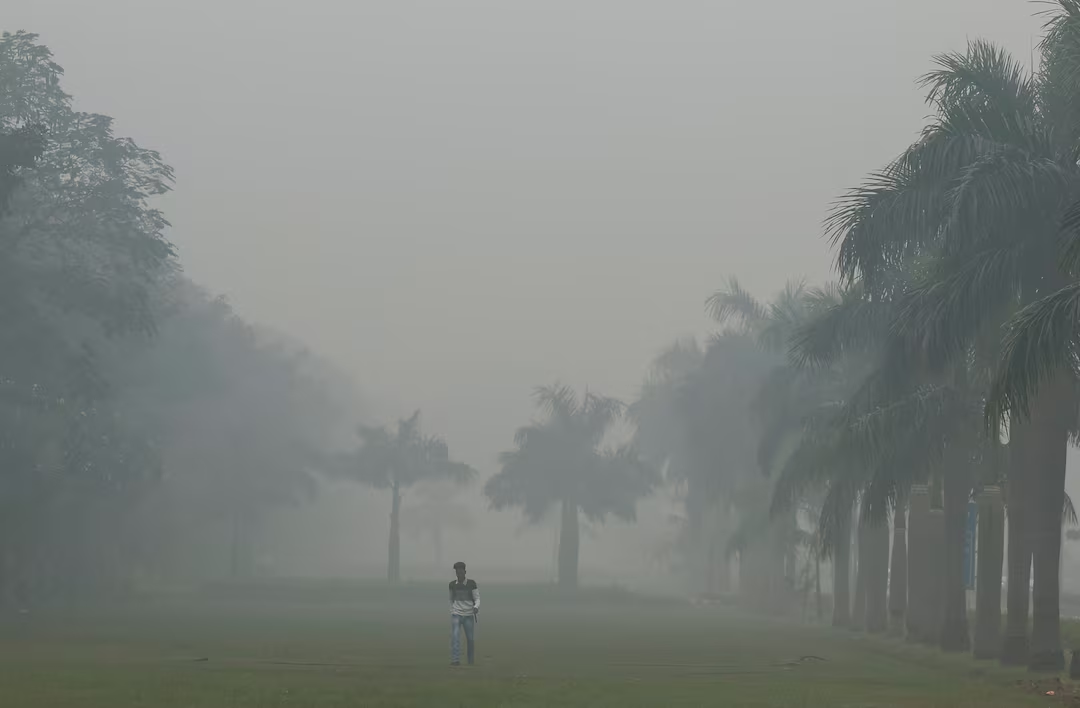
On Sunday, monitors recorded PM2.5 levels at 201 micrograms per cubic metre—over 13 times the safe limit recommended by the World Health Organization.
Authorities in New Delhi have escalated anti-pollution restrictions as the megacity confronts its annual winter crisis of toxic smog, driven by cooler temperatures that trap pollutants close to the ground.
Emergency Restrictions and Winter Action Plan
Traffic and Workplace Rules: Vehicle parking charges have been doubled, and offices across both the government and private sectors have shifted to work-from-home arrangements to reduce vehicular traffic.
Vehicle and Construction Bans: Vehicles failing to meet mandated emission standards are barred from entering the capital, while all dust-producing demolition and outdoor construction work have been suspended immediately.
Prior Regulations: These steps add to existing bans on rubbish burning and restrictions on commercial food stalls utilizing coal or firewood.
Sources of Pollution and Health Impact
Primary Contributors: According to India's environment ministry, vehicle emissions account for 23 percent of Delhi's winter pollution, biomass and stubble burning contribute 20 percent, and industry, including coal-fired power plants, accounts for about 9 percent.
Hazardous Air Quality: While intermittent rain kept PM2.5 levels at 201 micrograms per cubic metre on Sunday, peak winter concentrations frequently exceed 300 micrograms per cubic metre, reaching up to 56 times WHO safety guidelines. A 2024 study in The Lancet Planetary Health linked 3.8 million deaths in India between 2009 and 2019 to air pollution.
FYI
Delhi's annual smog blanket typically persists from November to January, driven by a combination of vehicular exhaust, industrial activity, crop residue burning in neighboring states, and unfavorable meteorological conditions.
Dive Deeper: Handpicked Stories for You
Follow Channel8 for continuous updates: