US Intelligence Memo Alleges Nvidia CEO Had Relationship With Suspected Chinese Spy
At a Glance
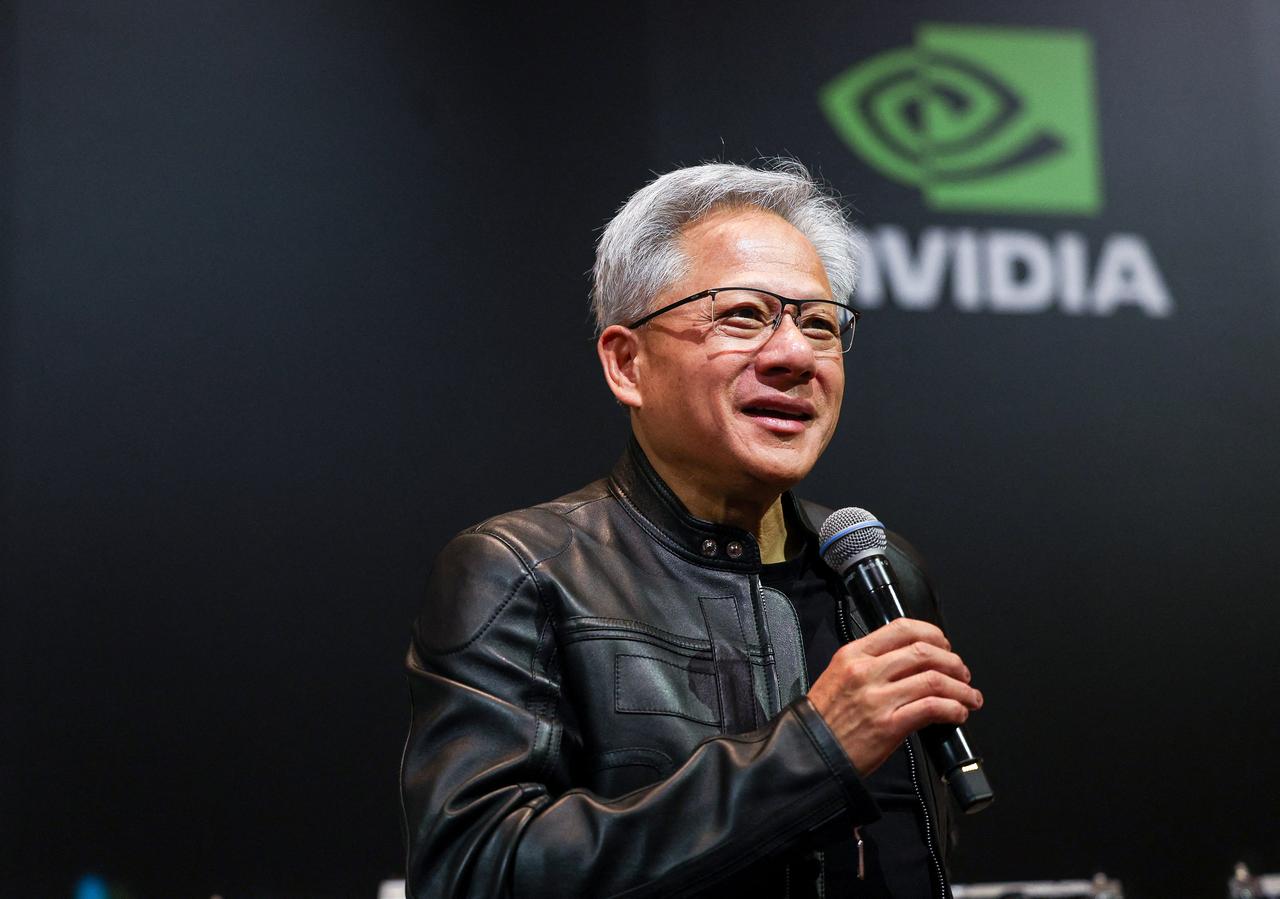
A US intelligence-based memo reportedly alleges that Nvidia CEO Jensen Huang had a romantic relationship with Alice Huang, an executive at Singapore-based Megaspeed.
US intelligence believes Alice Huang was recruited by China's Ministry of State Security to gather information, according to people familiar with the memo.
The allegations have prompted calls for congressional scrutiny of Nvidia's security practices and its exposure to potential foreign intelligence operations.
Three Republican House committee chairs have requested a closed-door briefing with Jensen Huang on November 18.
A US government memo reportedly alleges that Nvidia chief executive Jensen Huang had a romantic relationship with a business executive whom American intelligence believes was recruited by China's main intelligence agency, raising fresh national security concerns over potential Chinese access to sensitive technology information.
Key Statements and Focus Areas
Allegations in US Intelligence Memo
According to the Financial Times, US officials prepared a memo earlier this year based on information gathered by American intelligence agencies.
The document reportedly stated that Jensen Huang had been romantically involved with Alice Huang, an executive at Megaspeed, a Singapore-based customer of Nvidia.
US intelligence believes Alice Huang was recruited by China's Ministry of State Security, the country's principal civilian intelligence agency.
The memo was reportedly circulated among a small group of senior US officials shortly before President Donald Trump travelled to Beijing for a summit with Chinese President Xi Jinping.
Nvidia's Response and Congressional Scrutiny
Nvidia declined to comment to the Financial Times on the reported memo or the alleged relationship.
The company has previously characterized Jensen Huang's interactions with Alice Huang as routine business contact, saying the chief executive meets thousands of customer executives annually. Nvidia has also maintained that its regional cloud customers receive ordinary business information, not sensitive trade secrets or information relevant to US national security.
Three Republican House committee chairs have separately requested a closed-door briefing with Huang on November 18 to discuss his interactions with Alice Huang and the company's safeguards against foreign intelligence operations.
Megaspeed Under US Scrutiny
Megaspeed has faced US scrutiny over allegations that it helped divert advanced Nvidia chips to China in violation of American export controls.
Nvidia previously conducted an internal investigation into the allegations and said it found no evidence of wrongdoing.
The company was spun off from a Chinese gaming business in 2023, according to the Financial Times.
Calls for Further Investigation
Senator Chris Coons, a Democrat from Delaware, has pledged to investigate the reported links between the Trump administration, alleged Chinese intelligence activity and major artificial intelligence companies.
His comments came as the controversy surrounding Huang's reported contacts with Alice Huang intensified in Washington.
The reported intelligence memo adds a new dimension to growing scrutiny of Nvidia and its chief executive amid intensifying competition between the United States and China over advanced semiconductors and artificial intelligence.
The Financial Times reported that the document was based on information obtained by US intelligence agencies and shared with a limited group of senior officials before Trump's May summit with Xi.
The allegations concern Alice Huang, an executive at Megaspeed, a Singapore-based company that purchases Nvidia technology. US authorities have been examining companies in Southeast Asia over concerns that advanced American chips could be redirected to Chinese buyers despite export restrictions.
The latest report follows earlier reporting by the New York Times that US intelligence agencies had investigated Alice Huang and believed she was involved in an operation targeting Nvidia's chief executive.
Nvidia has maintained that Huang's contact with the Megaspeed executive was part of normal customer relations and that the company does not provide sensitive information to regional cloud customers. The Financial Times said the White House and CIA declined to comment on the memo, while Alice Huang could not be reached.
The allegations have also reached Congress. On November 5, Republican committee chairs Brian Mast of the House Foreign Affairs Committee, John Moolenaar of the House Select Committee on China and Rick Crawford of the House Intelligence Committee requested a closed-door briefing with Jensen Huang.
The lawmakers asked him to appear on November 18 to discuss his interactions with Alice Huang and Nvidia's security protocols against foreign intelligence operations. They requested a response by November 11.
Separately, Senator Chris Coons has pledged congressional scrutiny of the matter, describing the reported connections as a serious concern involving the administration, Chinese intelligence and major AI companies.
The controversy comes as Washington continues to tighten controls on China's access to advanced computing technology. Nvidia chief Jensen Huang has personally lobbied the Trump administration to permit exports of the company's H200 chips to Chinese customers, placing the company's commercial interests at the centre of a wider national security debate.
FYI
The allegations highlight the growing intersection of artificial intelligence, semiconductor exports and national security in US-China relations. Washington's concern extends beyond the potential diversion of advanced chips to whether foreign intelligence services could gain access to sensitive corporate information or influence technology policy. However, the reported intelligence assessment has not been publicly substantiated, and the alleged relationship does not establish that Huang knowingly participated in espionage or that sensitive information was transferred. Congressional scrutiny is expected to focus on the extent of any security risk and Nvidia's safeguards against foreign intelligence operations.
Dive Deeper: Handpicked Stories for You
Follow Channel8 for continuous updates:
US-China AI Race Intensifies Amid Growing Security Concerns
US Orders DeepSeek AI Removed From Civilian Government Systems