Qubad Talabani Calls for Institutional Reform and Decentralized Governance
At a Glance
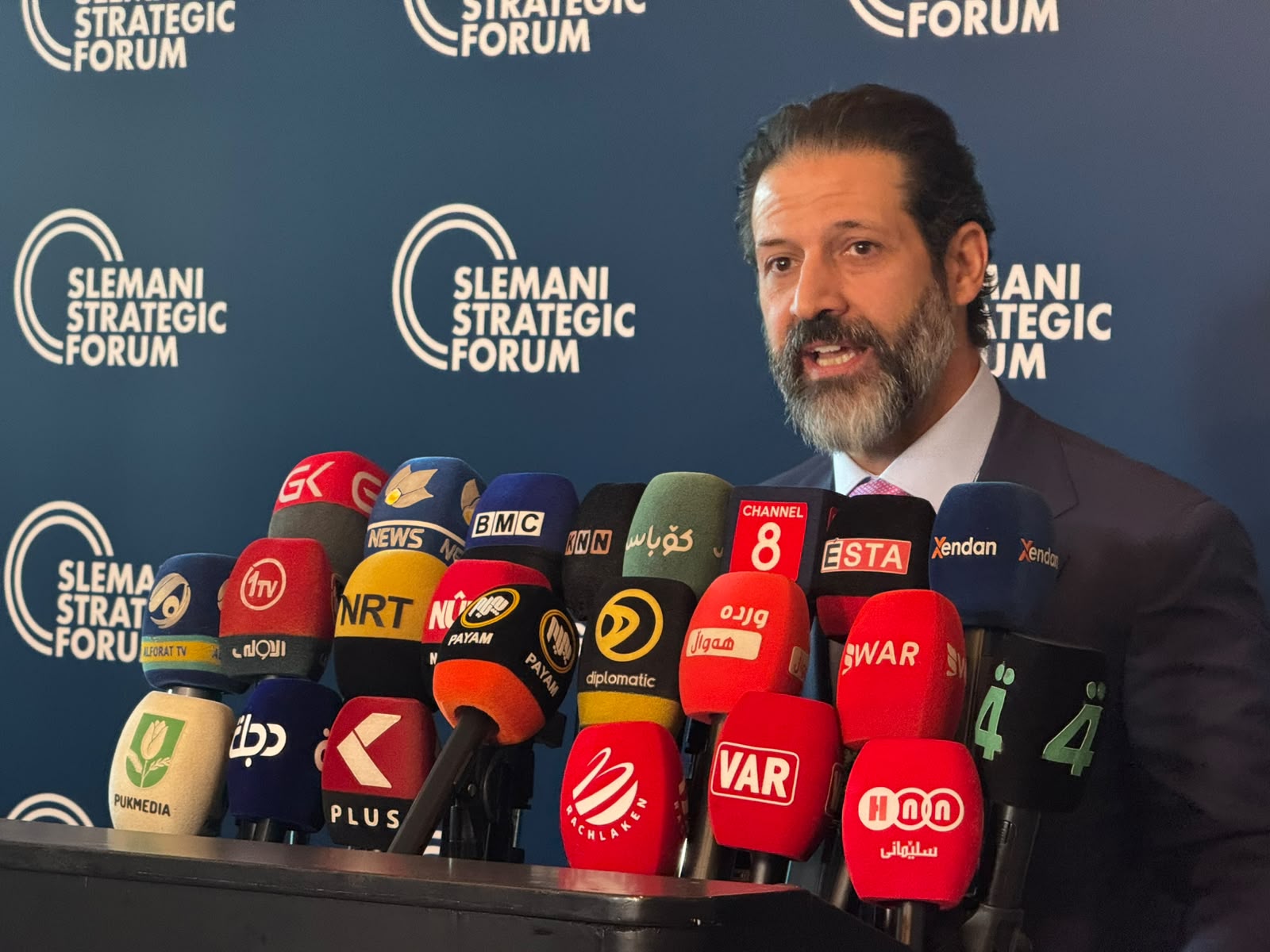
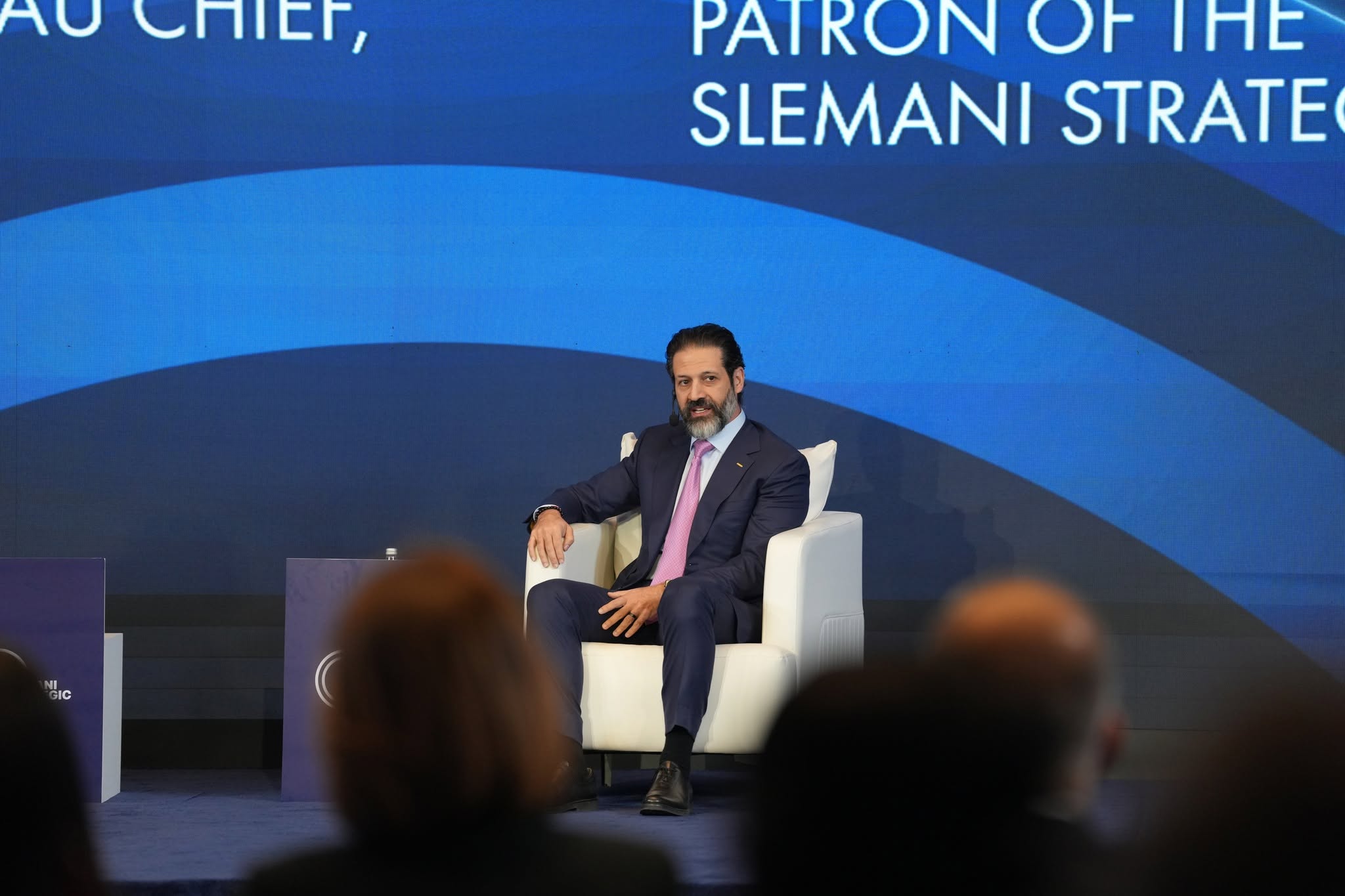
Qubad Talabani addressed governance, PUK-KDP ties, and recent parliamentary tensions at the Slemani Strategic Forum on Friday.
He called for decentralizing authority and ensuring fair distribution of resources across the Kurdistan Region.
Talabani condemned the November 4 Kurdistan Parliament session, accusing rivals of coercing lawmakers to attend.
He reaffirmed that Baghdad remains the PUK’s strategic priority within a unified, federal Iraq.
Qubad Talabani addressed internal governance disputes, PUK-KDP relations, and regional political tensions during a fireside chat on the second day of the Slemani Strategic Forum on Friday, calling for decentralized authority and institutional reform.
Key Statements and Focus Area
Talabani argued that existing political models fail to reflect the diversity of the Kurdistan Region. “The style of governing and the style of operating of our friends in the KDP does not conform to how people in other parts of Kurdistan want to live. It's as simple as that. So we need to come up, instead of making the people conform to our style and to the different style, we as a government, as an entity, or as entities need to conform to the wishes of our public,” he stated.
Addressing ongoing political divisions, Talabani rejected superficial reconciliations in favor of structural solutions. “First of all, I do want to say that this crisis, as it's called, is not insurmountable. We've had so many ups and downs in Kurdistan over the last 80 years. We will get over this one as well. But I think for this one to survive and to sustain it can't be forcing unity in an unnatural way,” he said.
Turning to recent legislative developments in Erbil, Talabani strongly criticized the reconvening of the Kurdistan Parliament earlier this month. “I think what happened on the 4 of November was a travesty to democracy and to the parliamentary process. Members of parliament from different political parties were threatened, harassed and coerced to go into the parliament building and to reopen the session with the intent of appointing and electing a new president for the Kurdistan region,” he added.
Talabani noted that nearly three decades after the 1998 Washington Agreement, issues between the Patriotic Union of Kurdistan (PUK) and the Kurdistan Democratic Party (KDP) remain unresolved in a way that fosters sustainable development.
He stressed that past periods of progress relied too heavily on personal relationships rather than strong institutions, urging leaders to remove personal emotions from governance.
He highlighted the need for "fairness" and "equitable distribution of resources" and authorities across provinces, pointing out that Slemani Governor Haval Abubakir would have "zero authority to govern" without political backing in the government.
Calling authority "too centralized" in the hands of a few individuals, Talabani urged devolving power to governorates such as Slemani and Halabja as well as the Region's independent administrations.
Referring to PUK President Bafel Talabani’s frequent visits to the federal capital, Qubad Talabani reaffirmed that Baghdad is the party’s "strategic priority."
He stated that the PUK believes "Kurdistan can only be strong if Iraq is strong," rejecting the notion that Kurdish prosperity must come at the expense of a weak federal government.
Talabani also warned that international allies such as the United States do not want to partner with a region that relies on "money, extortion, threats, and attacks on people's integrity as a vehicle to make politics work."
He emphasized that Washington and international partners want to see a functioning, democratic Kurdistan Region that upholds civil society, a free press, and gender equality.
FYI
Talabani’s remarks come amid heightened political tension in the Kurdistan Region following the November 4 election of the Kurdistan Parliament Presidency in Erbil.
During that sitting, 52 out of 100 lawmakers attended to meet the 51-member quorum and elected a new parliamentary presidium led by Speaker Vala Fareed, despite a formal boycott by the PUK and several opposition blocs.
Following the session, PUK President Bafel Jalal Talabani rejected the legitimacy of the sitting and announced the PUK's withdrawal from the KRG cabinet, deepening the administrative and political rift between both ruling parties.
Dive Deeper: Handpicked Stories for You
Follow Channel8 for continuous updates:
Slemani Strategic Forum Enters Second Day With Global Leaders
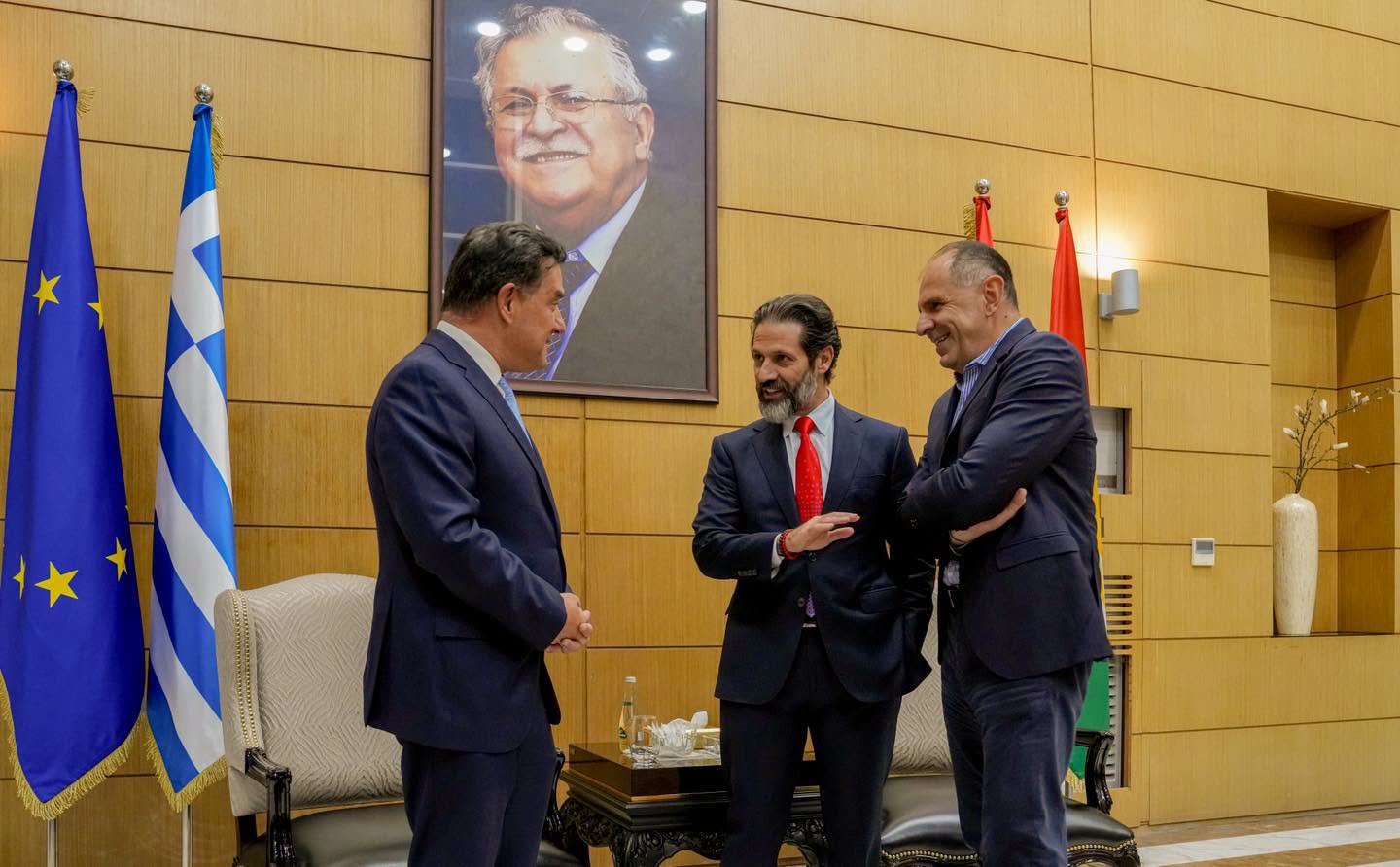
Greek Ministers Visit Slemani to Boost Bilateral Cooperation Ties
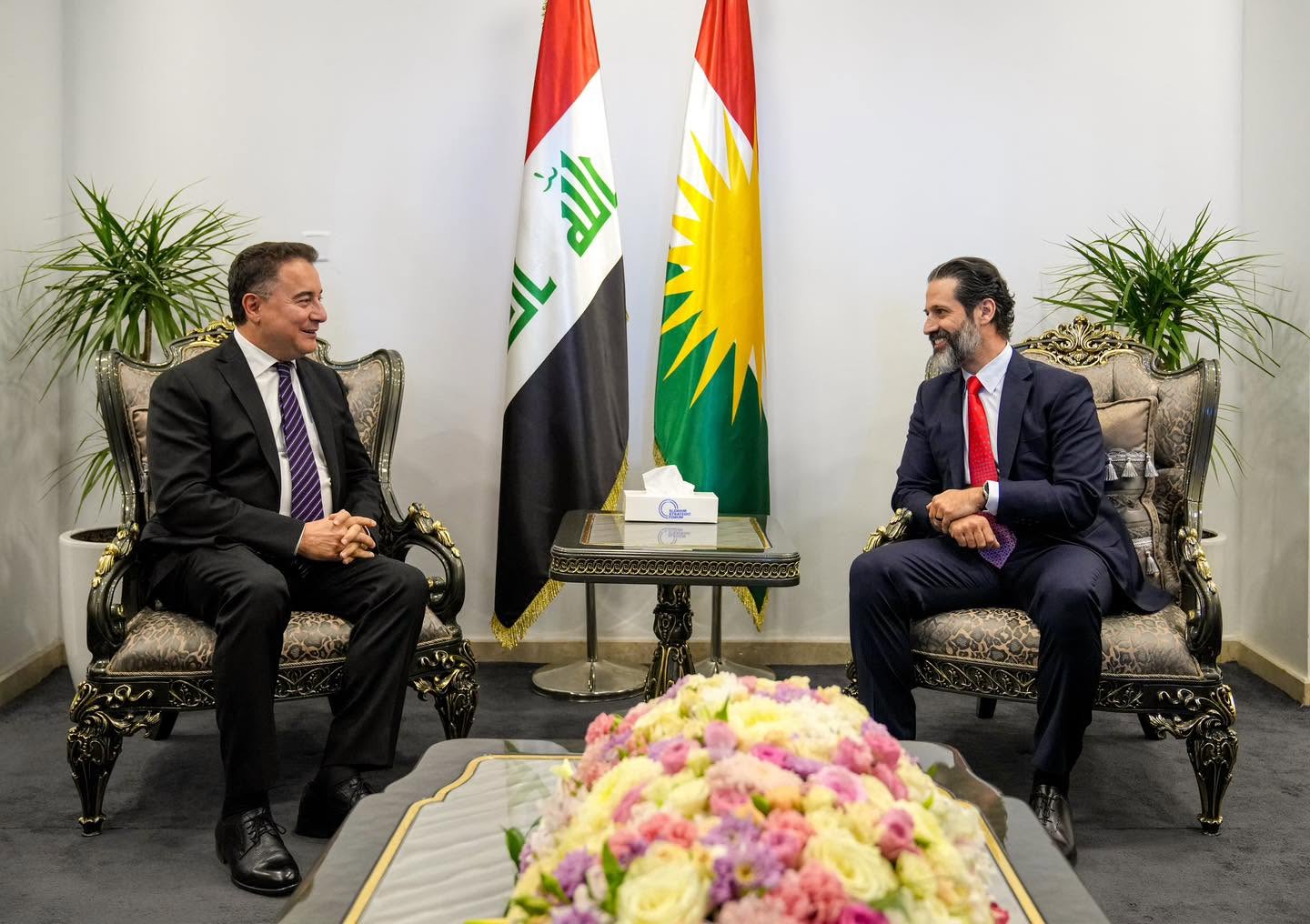
Qubad Talabani and Ali Babacan Support Peace, Bilateral Ties