Treasury Chief Bessent Predicts Strong 2026 Despite $11 Billion Shutdown Hit
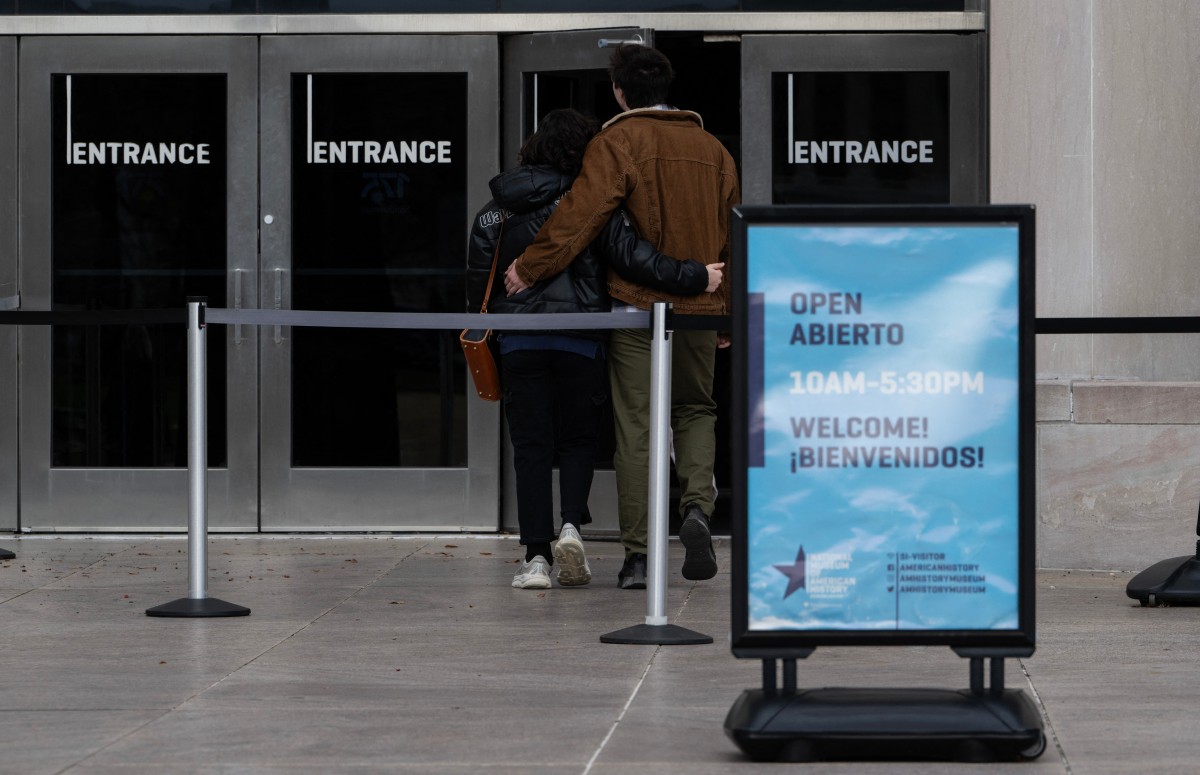
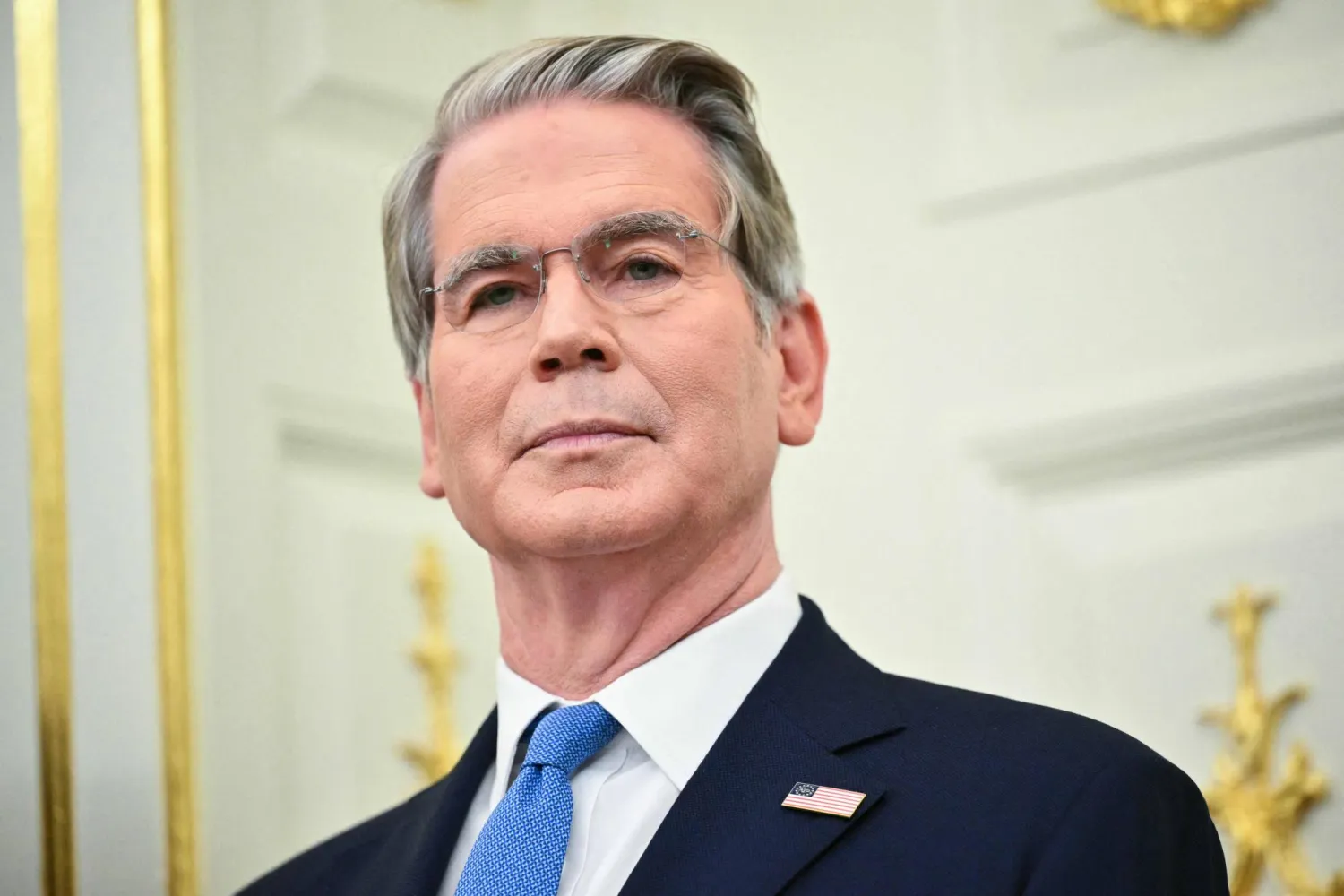
Treasury Secretary Scott Bessent said Sunday that the 43-day government shutdown inflicted a permanent $11 billion loss on the U.S. economy, but expressed confidence that growth will rebound next year thanks to easing interest rates and new tax cuts.
Speaking on NBC’s Meet the Press, Bessent acknowledged that interest rate–sensitive sectors such as housing had slipped into recession, but insisted the broader economy was not at risk of contracting. He attributed inflation primarily to the services sector rather than President Donald Trump’s tariffs, and pointed to falling energy prices as a factor that could help ease costs across the board.
Trump has recently intensified his focus on affordability amid Democratic gains in state and local elections and declining approval ratings, which have dropped to 38%—the lowest since his return to office, according to a Reuters/Ipsos poll.
Despite signs of slowing factory activity and consumer frustration over higher prices, Bessent struck an optimistic tone. “I am very, very optimistic on 2026. We have set the table for a very strong, non-inflationary growth economy,” he said.
He noted that energy prices fell in October while home sales rose, and highlighted ongoing efforts to reduce inflation, currently running at 3% annually. Bessent also claimed inflation was 0.5% higher in Democratic-led states compared to Republican-controlled ones, citing regulatory differences.
National Economic Council Director Kevin Hassett echoed Bessent’s outlook, telling Fox News’s Sunday Morning Futures that 2026 could be “an absolute blockbuster year.” He cautioned, however, that growth in the fourth quarter of this year would slow to 1.5–2% due to the shutdown, though he expects manufacturing jobs to rise heading into 2026.
Recent tariff cuts on food imports such as bananas and coffee, the result of long-negotiated trade deals, were part of the administration’s broader push to control inflation. Trump last week signed legislation ending the longest government shutdown in U.S. history, extending funding through January 30 and raising the possibility of another partisan clash next year.
Bessent urged Republicans to consider ending the Senate filibuster if Democrats force another shutdown, though he declined to say whether enough votes exist to support the move. He also outlined new tax policies—including caps on overtime taxes, cuts on tips and Social Security for some workers, and deductions for auto loans—that he said would boost real incomes.
Taxpayers, Bessent added, should expect sizable refunds in early 2026 under the revised tax rates. He further hinted at upcoming measures to lower healthcare costs and predicted that new trade deals would spur plant openings nationwide.