Austrian FM Moves to Toughen Anti-Spying Laws
At a Glance
Austria's government has launched plans to tighten its espionage laws.
Current law bans spying against Austria but not against other countries or international organizations.
The draft requires parliamentary approval.
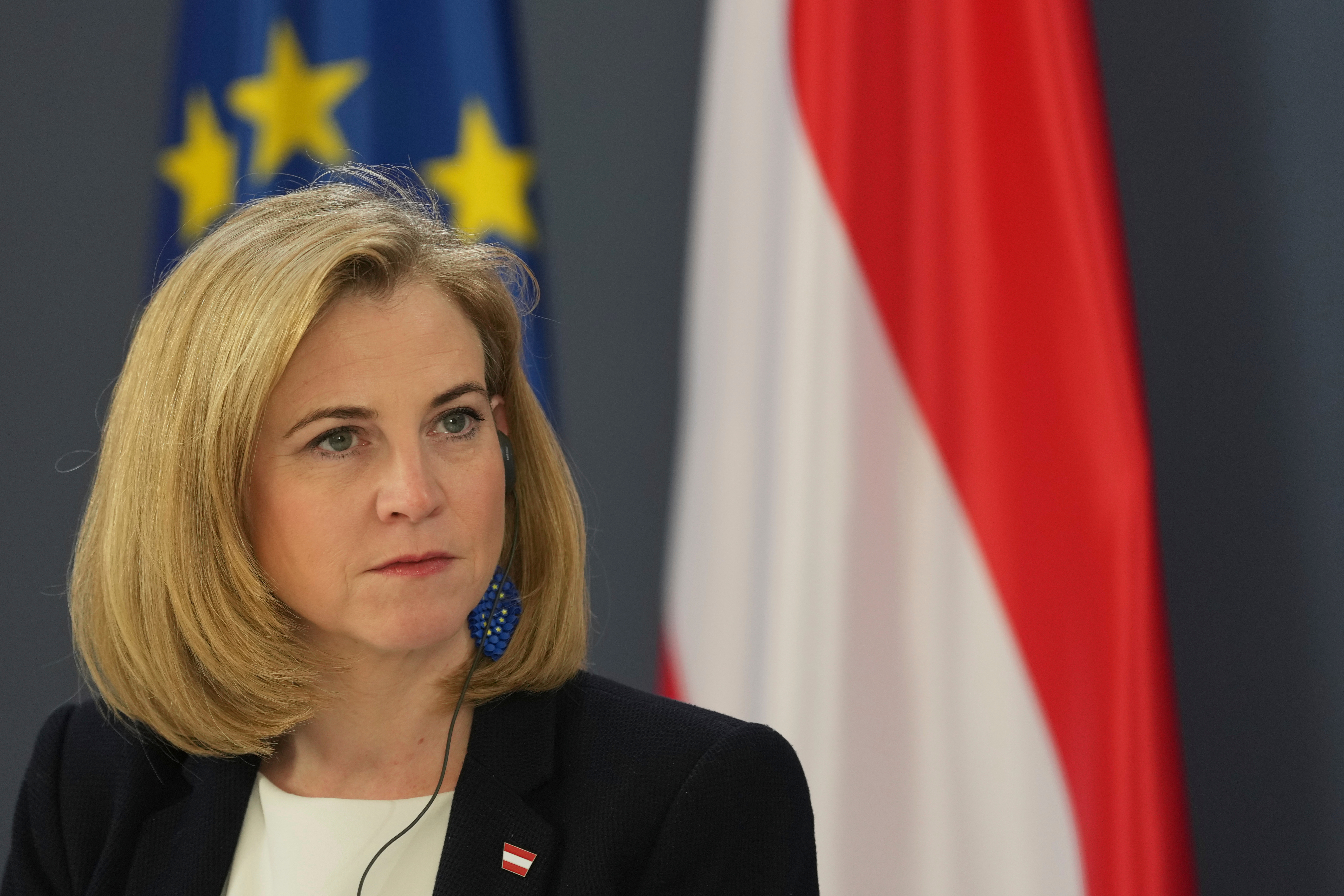
Austria's government on Wednesday unveiled draft legislation to strengthen its laws against spying, responding to what officials call a growing hybrid threat in the country that hosts the UN and dozens of international organizations.
Key Statements and Focus Area
Foreign Minister on the Stakes: "Espionage is a real threat to our security, to security in our country, but above all to our reputation as Austria, as the capital of dialogue, as an official location of the U.N. and over 40 international organizations." — Beate Meinl-Reisinger, Austrian Foreign Minister.
Foreign Minister on the Approach: "We are no longer looking away." — Beate Meinl-Reisinger.
Focus Area: Austria's proposed overhaul of its espionage laws and its push to protect Vienna's role as a hub for international organizations.
The bill would raise the maximum sentence for espionage against Austria from five to 10 years and explicitly criminalize spying against international organizations or the EU, with a maximum of five years.
It would also ban recruiting agents and being recruited as one, a measure aimed in particular at "throwaway agents" who carry out low-level espionage without necessarily knowing what they are getting into.
Meinl-Reisinger said she wants to dispense with any "romantic idea" of spying and described the move as a response to hybrid threats such as sabotage, cyberattacks, and disinformation.
Since she took office in March 2025, entry visas for diplomats have been denied in 63 cases, and eight Russian diplomats have been expelled.
A similar plan was announced in 2024 by the previous government but was not agreed before that year's election.
FYI
Austria has been militarily neutral since the 1950s and is an EU member.
Vienna hosts several UN agencies, including the International Atomic Energy Agency, as well as the OSCE and OPEC, and has long been described as a "capital of espionage," a reputation dating back to the Cold War.
Current law explicitly bans only espionage directed against Austria itself.
Dive Deeper: Handpicked Stories for You
Follow Channel8 for continuous updates:
Anthropic Report Details How State Actors Automated Cyber Espionage