Qatar Holds Separate Meetings With Vance, Rubio on Iran Talks
At a Glance
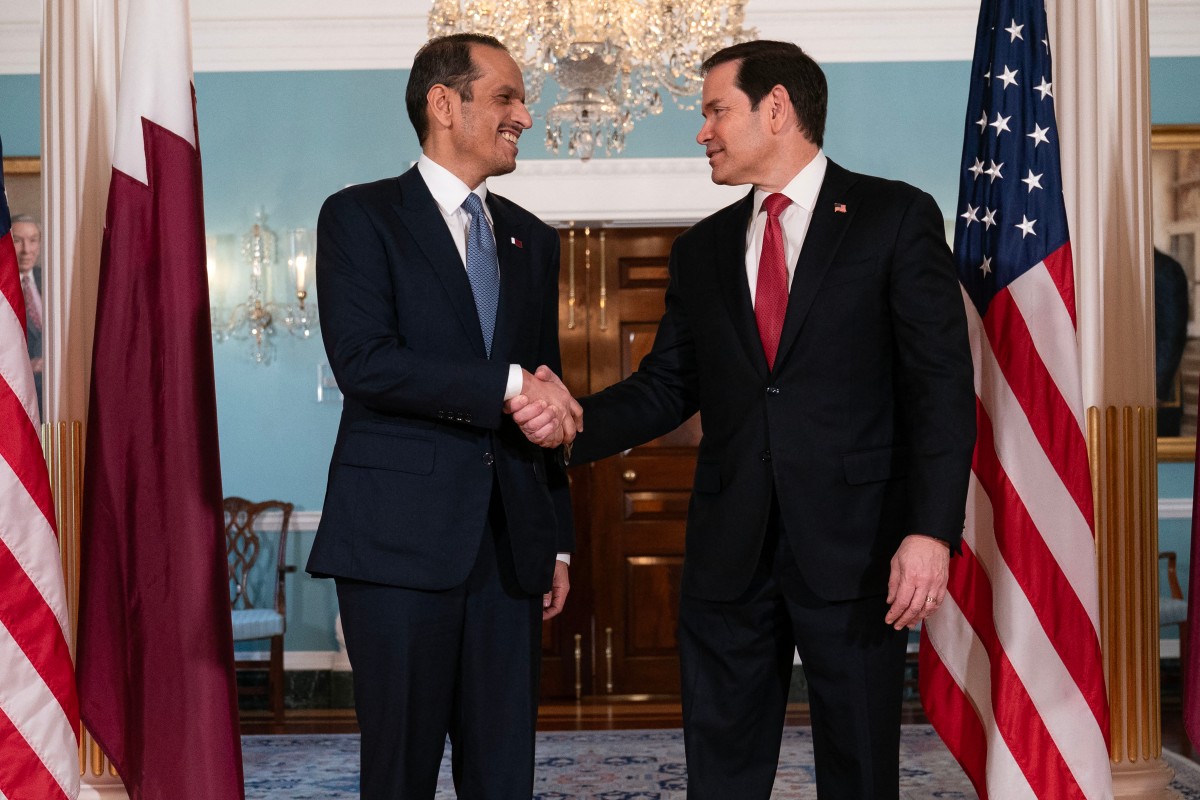
Qatar’s Prime Minister Sheikh Mohammed bin Abdulrahman Al Thani met separately with US Vice President JD Vance and Secretary of State Marco Rubio in Washington on Monday.
The discussions came as Doha continues efforts to facilitate a diplomatic path toward ending the conflict between Washington and Tehran.
US authorities are investigating suspected cyberattacks targeting as many as 50 ships, with Iran considered a possible culprit, according to reports.
Pakistan has also expressed optimism about a possible agreement, while President Donald Trump says Washington wants a deal on terms it considers acceptable.
Lead
WASHINGTON — Qatar’s prime minister held separate meetings with US Vice President JD Vance and Secretary of State Marco Rubio on Monday, as diplomatic efforts continue to revive negotiations between Washington and Tehran amid rising regional tensions.
Key Statements and Focus Areas
Qatar’s diplomatic engagement
The meetings involved Qatari Prime Minister and Foreign Minister Sheikh Mohammed bin Abdulrahman Al Thani. The Associated Press reported that Vance and Rubio met him separately, while Axios reported that Qatari envoy Ali al-Thawadi also took part in discussions with Vance.
The meetings came during the eighth US-Qatar Strategic Dialogue, co-chaired by Rubio and the Qatari prime minister.
US position on negotiations
President Donald Trump said on November 20 that Iran wanted an agreement but had not offered terms acceptable to him.
“We want to make a real deal, not a fake deal.”
Trump also said he was not rushing to make decisions on Iran and would assess developments after the start of 2027.
Maritime cyberattack investigation
The Wall Street Journal reported that US authorities were investigating suspected cyberattacks affecting as many as 50 vessels carrying oil, liquefied petroleum gas, chemicals and other potentially hazardous cargo.
Iran is among the main suspects, while Russia has also been considered a possible source, according to the report. Reuters said it could not independently verify the allegations.
Pakistan calls for a diplomatic agreement
Pakistan’s Deputy Prime Minister and Foreign Minister Mohammad Ishaq Dar expressed hope for an early agreement between Washington and Tehran, warning that the international community could not afford a prolonged conflict.
Main Story
Qatar’s prime minister held separate meetings with US Vice President JD Vance and Secretary of State Marco Rubio in Washington on Monday, as Doha continues its diplomatic engagement over the conflict between the United States and Iran.
The meetings were confirmed by the Associated Press, which reported that Sheikh Mohammed bin Abdulrahman Al Thani met both US officials separately. A person familiar with the discussions said Vance’s meeting took place at the White House but provided no further details. The vice president’s office did not immediately respond to a request for comment.
Separately, Axios, citing a source familiar with the discussions, reported that the Qatari prime minister and envoy Ali al-Thawadi met Vance to discuss negotiations with Tehran. The Qatari prime minister also met Rubio, with Iran among the issues discussed.
The meetings coincided with the eighth US-Qatar Strategic Dialogue, co-chaired by Rubio and Al Thani. According to Qatar's official news agency, the discussions covered political, economic, trade, investment, cultural and defence cooperation, as well as maritime navigation. The two sides also signed agreements on artificial intelligence cooperation and critical minerals processing.
The US State Department said Rubio expressed appreciation for Qatar's mediation efforts and stressed the importance of continued coordination to address threats and promote stability and security across the Middle East. No new diplomatic agreement with Iran was announced following the meetings.
Maritime Cyberattacks Add to Regional Concerns
The diplomatic contacts came as the United States investigates a reported wave of cyberattacks targeting commercial vessels.
According to a Wall Street Journal report cited by Reuters, as many as 50 ships carrying oil, liquefied petroleum gas, chemical products and other potentially hazardous materials may have been targeted. Some vessels reportedly received warnings and bomb threats.
Iran is considered a primary suspect by US authorities, while Russia has also been identified as a possible source, the report said. However, Reuters said it could not independently verify the findings. The allegations have not been established as confirmed Iranian or Russian operations.
The reported incidents add a cyber dimension to existing concerns over commercial shipping and energy transportation, particularly around the Strait of Hormuz, a major international route for oil and gas shipments.
Trump Leaves Timing of Iran Decision Open
On November 20, Trump said Tehran wanted an agreement to end hostilities but had not offered terms acceptable to Washington.
“We want to make a real deal, not a fake deal,” he told reporters at the White House.
In a separate interview with Israeli broadcaster Channel 12, Trump said he was not rushing to make a decision on Iran and would see what happened after the beginning of the new year. His comments did not amount to a stated deadline or a confirmed decision to resume military operations.
Meanwhile, Pakistan's Deputy Prime Minister and Foreign Minister Mohammad Ishaq Dar expressed optimism about reaching an agreement soon. In an interview with Euronews broadcast on Saturday, Dar said the international community could not afford a prolonged conflict, pointing to disruptions in energy supplies, rising prices and the wider economic consequences.
Dar also said Islamabad continued to urge Washington and Tehran to honour their commitments under the June agreement and maintain diplomatic engagement.
A Fragile Diplomatic Track
The current diplomatic efforts follow months of conflict that began with US and Israeli strikes on Iran on February 28, 2026. An agreement reached in June offered a framework to end the fighting and pursue broader negotiations, but it subsequently collapsed amid renewed hostilities.
Pakistan and Qatar have both played roles in efforts to bring the two sides back to negotiations. Proposals under discussion by mediators reportedly include easing disruptions in the Strait of Hormuz in exchange for limited sanctions relief, potentially opening the way for broader negotiations on Iran's nuclear programme.
The latest meetings in Washington indicate that diplomatic channels remain active, but differences over the terms of an agreement, continued military tensions and concerns about maritime security remain significant obstacles to a broader settlement.
FYI
Qatar's involvement reflects its position as a regional intermediary with diplomatic channels to both Washington and Tehran. Its engagement comes alongside Pakistan's efforts to facilitate negotiations, highlighting the role of regional governments in keeping diplomatic options open while the conflict remains unresolved.
The Strait of Hormuz is central to these efforts because of its importance to global energy transportation. Any prolonged disruption can affect shipping costs, energy supplies and international markets. The reported cyberattacks add another layer of concern, although responsibility for them remains under investigation.
For now, the separate meetings between Qatari and US officials signal continued diplomatic contact, not a breakthrough. Washington and Tehran have yet to announce a renewed negotiating framework or an agreement to end the conflict.