Eisenkot Invites Netanyahu's Likud to Coalition Talks as Camp Splits Over Unity Government
At a Glance
Gadi Eisenkot has invited Likud to coalition talks starting Sunday.
His camp is divided over whether to ally with ultra-Orthodox parties, Arab-majority lists, or Netanyahu's bloc.
Likud has set out conditions for a unity government, including excluding Arab parties.
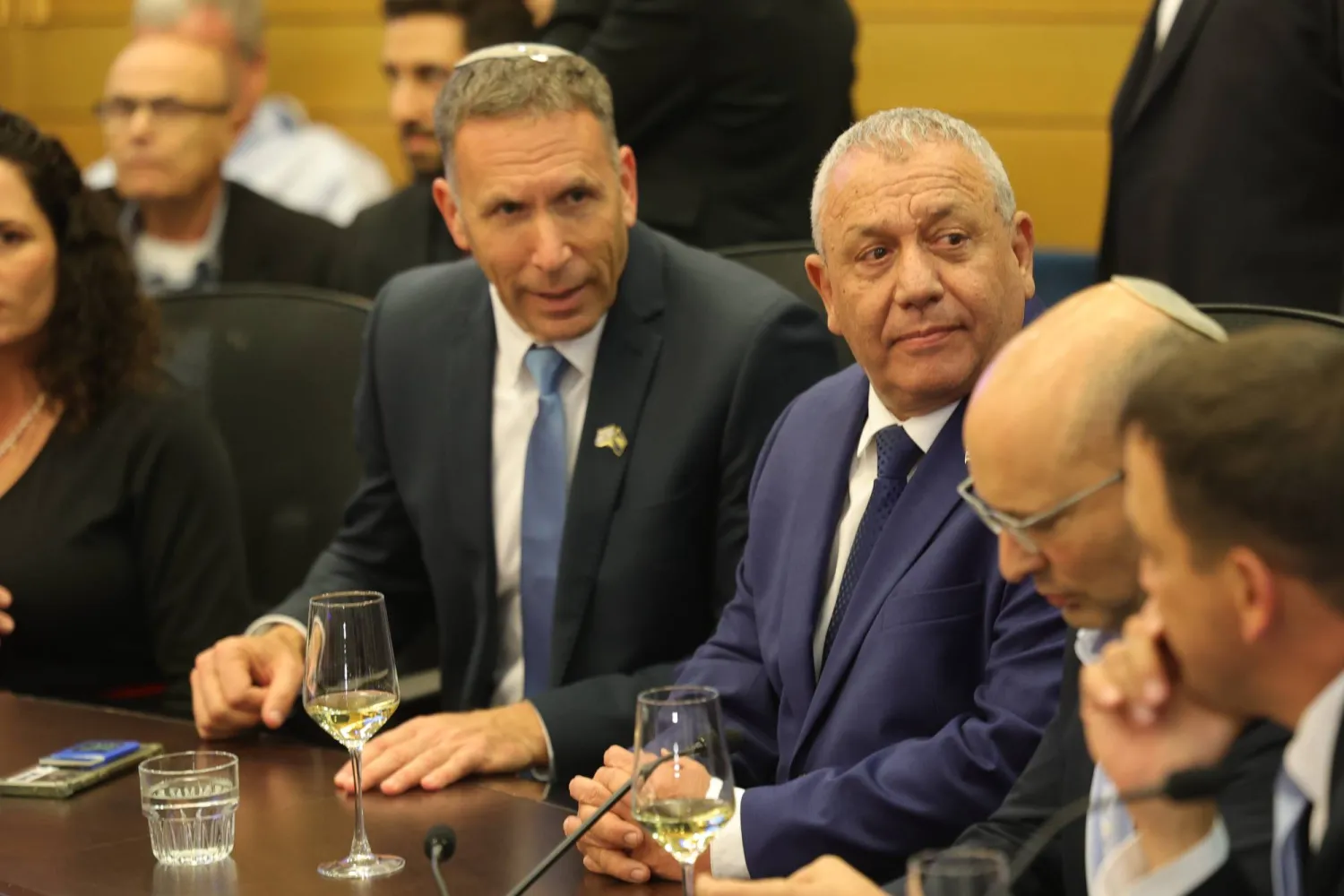
Gadi Eisenkot, tasked with forming Israel's next government, has invited caretaker Prime Minister Benjamin Netanyahu's Likud party to coalition talks, his party said Saturday.
Key Statements and Focus Area
Yashar on the Talks: The talks reflect a "genuine commitment to forming the broadest possible government." — Statement from Eisenkot's Yashar party.
Bennett on Unity: He called for a "Zionist unity government headed by Eisenkot" and said his party would refuse to join Netanyahu or his bloc. — Naftali Bennett, former prime minister.
Focus Area: The start of coalition negotiations between Eisenkot and Likud and the divisions over what kind of government should replace Netanyahu.
Yashar said Eisenkot instructed his negotiating team to invite Likud to a "marathon series of talks," beginning with a meeting already scheduled for Sunday.
Eisenkot has until next month to form a government after the October election gave neither bloc a clear majority.
He is open to governing with members of Likud but has ruled out serving in a government led by Netanyahu.
On Friday, he vowed not to let talks drag on and said he would put a minority national emergency government to a parliamentary vote if a broad coalition fails.
Likud responded with its own conditions: an end to "all personal attacks and incitement" and political "boycotts" against Netanyahu, and a joint declaration for a unity government of all parties that support Israel as the nation-state of the Jewish people, without Arab parties.
Its proposed guidelines also include rejecting Palestinian statehood, keeping Israel's "security zones" in Syria, Lebanon, and Gaza, and reaching a "broad agreement" with ultra-Orthodox leaders on military conscription.
FYI
Netanyahu has pushed hard for a national unity government, arguing it is needed to guarantee Israel's security.
He and his allies have criticized Arab party leaders for refusing to call Hamas a "terror group" after the October 7, 2023 attack, though all Arab party leaders have condemned the attack itself.
Dive Deeper: Handpicked Stories for You
Follow Channel8 for continuous updates:
Eisenkot Vows to Reverse Netanyahu Policies as New Knesset Sworn In
Herzog Accepts Israel Election Results, Starts Coalition Talks