China's Trade Surplus Tops $1 Trillion on AI-Driven Export Boom

At a Glance
China's trade surplus passed $1 trillion in the first 10 months of the year.
Exports were driven by a global race to build AI infrastructure.
The figures could sharpen tensions with major trading partners.
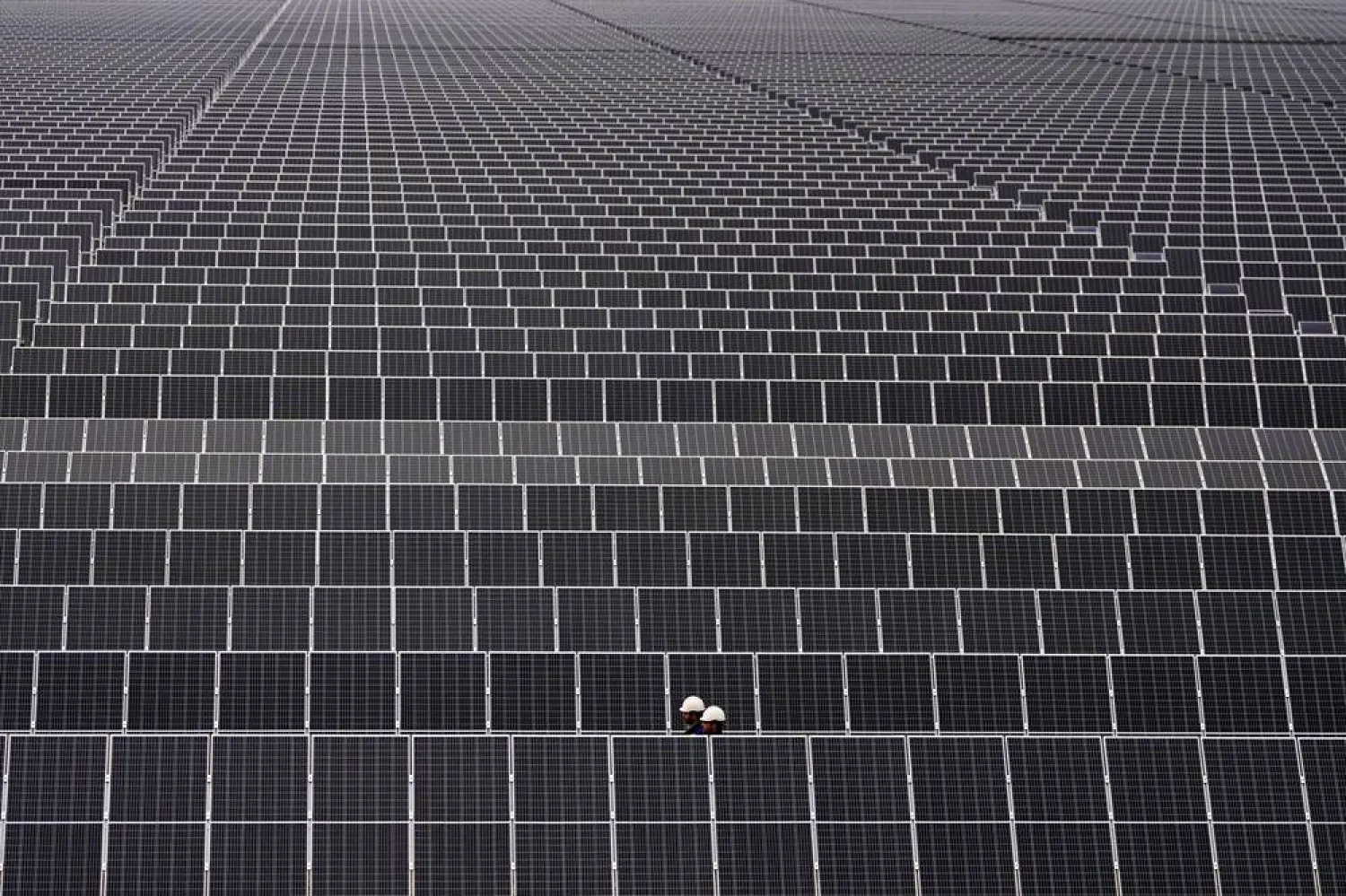
China's trade surplus surged past $1 trillion in the first 10 months as demand for high-tech products tied to the global AI buildout offset weak spending at home, customs data showed Tuesday.
Key Statements and Focus Area
Trivium China on Trade Barriers: "The risk of additional tariffs and other trade barriers will remain elevated in 2027, particularly as Chinese manufacturers continue expanding their presence in overseas markets." — Joe Peissel, Lead Macroeconomist, Trivium China.
ING on the Outlook: "But AI-related trade is expected to remain strong in the months ahead despite recent equity market volatility." — Lynn Song, Chief Economist for Greater China, ING.
Focus Area: China's record trade surplus, its reliance on AI-related exports and the trade tensions it may fuel.
Exports rose 35.2% in October from a year earlier, slightly slower than September's 36.3% but ahead of forecasts, while imports jumped 41.6%.
The surplus reached $1.04 trillion, topping $1 trillion for a second straight year and a month earlier than in 2025.
Semiconductor exports surged 111.1% over the 10 months, and overall high-tech shipments rose 47.9%.
Crude oil imports climbed to their highest level since March as buyers adjusted to Middle East supply disruptions, and rare-earth exports edged higher from the previous month.
The data comes ahead of next week's APEC summit in Shenzhen, where Xi Jinping and Donald Trump are expected to meet for the third time this year.
The surplus with the US narrowed slightly to $32.71 billion, and the two sides on Monday extended their trade truce by two months.
The European Union, which has agreed with Beijing to limit Chinese hybrid vehicle exports, faces calls from leaders for further curbs.
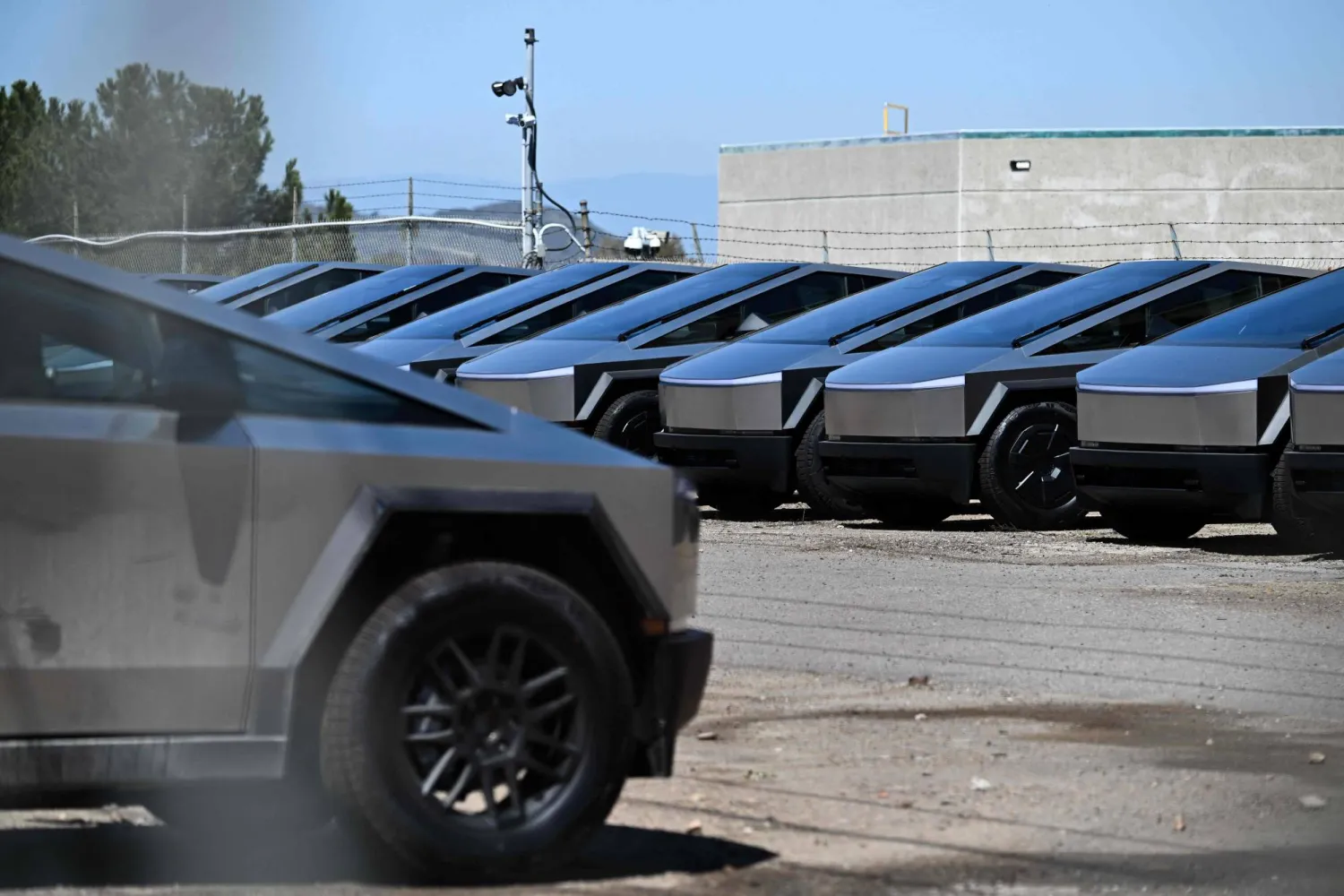
At home, consumers remain reluctant to spend amid a property downturn, pushing automakers to seek overseas sales while domestic vehicle sales fell for a 12th straight month.
Analysts warn that deeper reliance on exports leaves China exposed to protectionism and could be tested once the AI investment cycle matures.
FYI
China's economy has leaned increasingly on overseas demand as a protracted property slump has battered household wealth and confidence.
Analysts expect trade growth to moderate next year because of the base effect, even as AI-related demand stays strong.
Dive Deeper: Handpicked Stories for You
Follow Channel8 for continuous updates:
China’s Economy Grows 4.5% as AI-Linked Exports Surge
Toyota Sales Fall 4% as China Demand Weakens
China Pays Record Premiums as Copper Supplies Tighten Globally