Toxic Allure: Channel8's Radar8 Exposes the Dark Underbelly of Kurdistan’s Online Cosmetics and Supplement Trade
In the digital age, a glowing complexion, clear skin, and rapid weight loss are often just a click away. Scroll through Instagram, TikTok, or Facebook in the Kurdistan Region, and you will find an endless stream of polished reels and glossy ads promising miraculous transformations. They are marketed as "100% organic," backed by glowing testimonials, and sealed with official-looking stickers.
But behind the curated aesthetics lies a public health hazard of alarming proportions, one operating in plain sight across social media.
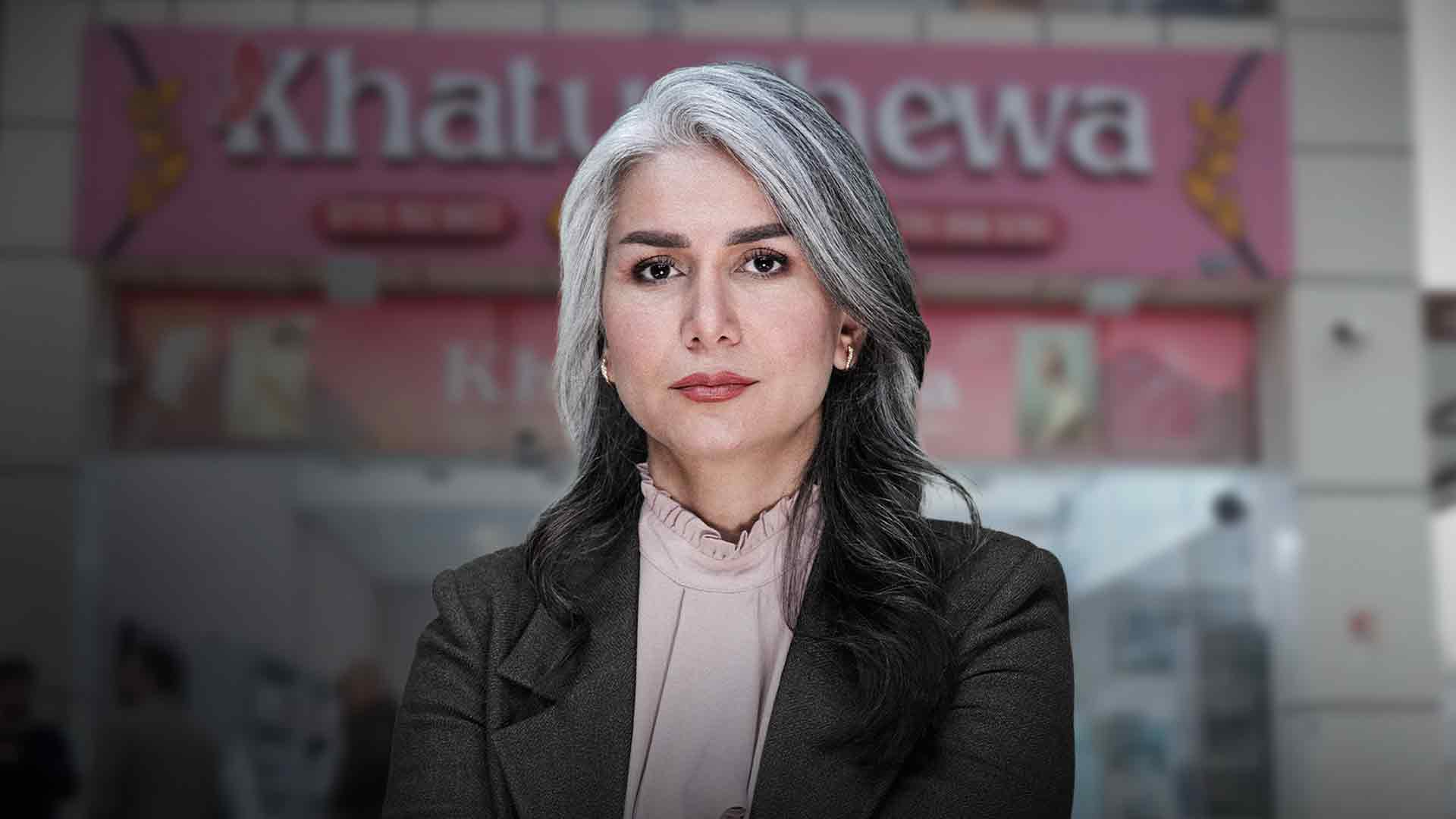
In a comprehensive, two-part investigative special on Channel8’s investigative program, Radar8, presenter Zhin Zhyar ripped open the veil of the region’s unregulated online beauty and supplement market. Broadcast in two parts, the first on September 8, 2026, and the second tonight, the investigation exposed how underground cosmetic compounders mix lethal heavy metals, banned pharmaceutical drugs, and industrial chemicals into homemade concoctions, selling them at exorbitant markups to unsuspecting buyers and devastating lives in the process.
The fallout has left a trail of human wreckage: disfigured faces, shattered social lives, poisoned organs, and a regulatory framework struggling to catch up with digital criminals.
Part I: The Human Toll: Broken Marriages, Ruined Businesses, and the Curse of "Frwti"
The true cost of the online beauty and supplement trade cannot be measured in profit margins; it is measured in human suffering.
Throughout her investigation, Zhin Zhyar sat down with victims whose lives were upended by products bought with a simple tap on a screen. Among them was a woman whose professional and personal world collapsed overnight. She turned to an online vendor for a skin-whitening cream advertised aggressively as containing strictly "organic ingredients."
Instead of a radiant complexion, the product destroyed her skin. The physical complications were so severe and visible that her marriage was brought to the absolute verge of divorce.
"People thought I had a contagious skin condition," she tearfully recounted to Zhin. Nobody would hire her services anymore, effectively crushing her career as a tailor. Her social life was entirely obliterated; she could no longer bear to step outside or attend social gatherings because of the permanent damage inflicted on her face. The psychological trauma ran so deep that the stress physically turned her hair white.
Another victim, sharing his harrowing experience, detailed how he and his brother sought a quick solution to gain weight. Lured by online marketing that promised "organic ingredients with zero side effects," he ordered and used a popular supplement branded as "Frwti."
The results were catastrophic, ruining his skin and driving him into self-imposed isolation from his community. When the brothers realized the extent of the damage, they confronted the online sellers, detailing the severe side effects. The response was immediate and callous: the vendors flat-out denied the allegations, claimed their products were completely safe, and blocked the victims on social media.
Determined to find justice, the victim took the matter to the police, filing a formal lawsuit. Law enforcement officers raided the sellers' properties, confiscating various batches of illegal merchandise. Yet, in a chilling display of impunity, the perpetrators simply continued peddling their toxic wares under the exact same name: Frwti.
When Zhin asked if the physical damage was permanent, the victim delivered a sobering reality check: doctors confirmed the condition could theoretically be reversed, but it would demand an immense amount of time and a fortune in medical expenses.
Part II: Kitchen-Table Labs and Profiteering
How were these products manufactured? Through painstaking digging, Zhin uncovered a disturbing reality: the masterminds behind these prominent social media pages do not import certified goods from reputable international laboratories. Instead, they compound the mixtures themselves.
Operating out of unmonitored kitchens and backrooms using entirely unknown, untested formulas, these operators procure raw chemical components for pennies. They then repackage them in attractive containers, market them with sophisticated digital campaigns, and sell them to vulnerable customers at exorbitant prices.
Recognizing that anecdotal evidence would not suffice against slick digital marketing, Zhin took matters into her own hands. She managed to intercept several flagship products circulating online and submitted them directly to a certified biology laboratory for rigorous chemical analysis.
Knowing that government bureaucratic channels would take months, if not years, to fund and authorize such testing due to financial and administrative hurdles, Zhin funded and spearheaded the independent probe. The laboratory analysis spanned two weeks, with multiple tests repeatedly rerun to guarantee absolute scientific accuracy.
Armed with definitive laboratory data, Zhin took the results straight to leading medical specialists in the Kurdistan Region to decode what was actually inside these online miracle cures.
Part III: The Verdict of Science: Mercury, Arsenic, and Banned Heart Meds
To understand the chemical makeup of the skin products, Zhin consulted Dr. Shadiar Hamalaw, a prominent dermatologist. Dr. Hamalaw commended Channel8 and Radar8 for tackling a sensitive, everyday crisis that no other media outlet or institution had dared to investigate in such granular detail.
Reviewing the lab results for the skin-whitening and acne-clearing creams, Dr. Hamalaw revealed a horrifying chemical profile:
Isopropyl Myristate: While present, excessive use of this compound directly triggers severe acne breakouts and zits.
Camphor: Included for its superficial soothing sensation, masking deeper toxicity.
Silver: The lab results detected silver. Dr. Hamalaw noted that silver has zero legitimate topical application for human skin. Long-term exposure leads directly to Argyria, a permanent condition that irreversibly turns the patient's skin a stark, metallic silver-grey color.
Deceptive Soaps: When Zhin presented the lab breakdown of a specialized whitening soap, Dr. Hamalaw revealed that 98% of the soap's formula consisted entirely of synthetic fragrance agents, deliberately added so the buyer would smell a pleasant scent and falsely assume the product was pure and effective. The remaining active components included skin-sensitizing irritants, silver, and Mercury.
Mercury (A Neurotoxin): Dr. Hamalaw issued a stark warning regarding mercury, explicitly stating that it is a powerful neurotoxin that attacks the nervous system. He concluded with an absolute medical truth: There is no soap or topical cream on earth that can safely alter human skin pigmentation to make it whiter.
The findings for the online weight-loss coffee were even more alarming. Zhin brought these test results to Dr. Kamaran Rasul Zhazhlay, a Food Science Specialist.
Dr. Zhazhlay broke down the dangerous cocktail hidden inside the instant coffee packets:
Low-Grade Caffeine: Present in minor quantities, just enough to suppress appetite slightly and trick the consumer into thinking the product was working.
Sibutramine: A dangerous pharmaceutical appetite suppressant that has been banned worldwide due to its severe side effects, specifically its high risk of inducing sudden heart attacks.
Isordil: A medication used for heart conditions. Dr. Zhazhlay noted its inclusion was likely an amateur attempt by the underground compounders to mitigate the cardiovascular side effects of sibutramine, though it completely fails to do so.
Arsenic: The tests detected arsenic, a heavy metal poison historically infamous for being used deliberately to "kill people."
Cortisone: A potent steroid. Dr. Zhazhlay explained that short-term use triggers severe acne and zits, while prolonged exposure leads to chronic heart disease, diabetes, hypertension, and an increased risk of cancer.
Lead: Long-term exposure to the lead found in the mixture results in lead poisoning, progressive memory loss, and a total degradation of the human body's motor functions.
Part IV: The Regulatory Blind Spot and Ministry Response
With undeniable scientific proof in hand, Zhin took the laboratory findings straight to the highest levels of governance, confronting the Ministry of Health.
A glaring paradox in the online market is that many of these illicit products prominently display official-looking Ministry of Health authorization stickers. How were unregulated, toxic compounds bearing government-approved seals?
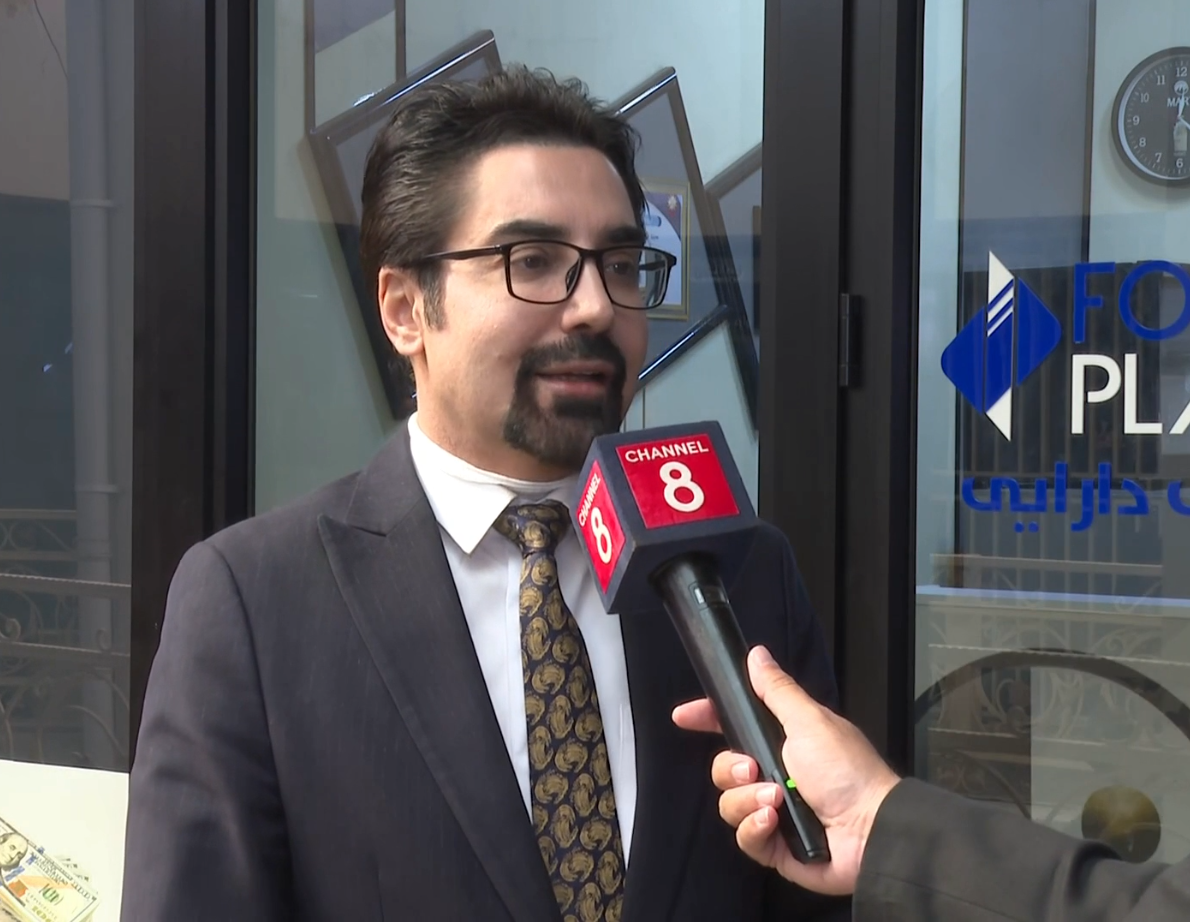
Dr. Rasul Abdulkhaliq, Director of the Directorate of Inspection and Follow-up at the Ministry of Health, addressed the crisis during the broadcast. He noted that Ministry inspectors scour the open market on a daily basis. However, he admitted to a massive systemic loophole: "Unfortunately, in Iraq, there is still no specific, dedicated law to effectively prevent online product marketing and punish online vendors accordingly."
When informed that the Ministry does file lawsuits against apprehended individuals, Zhin pressed on the core deterrent: What is the actual punishment?
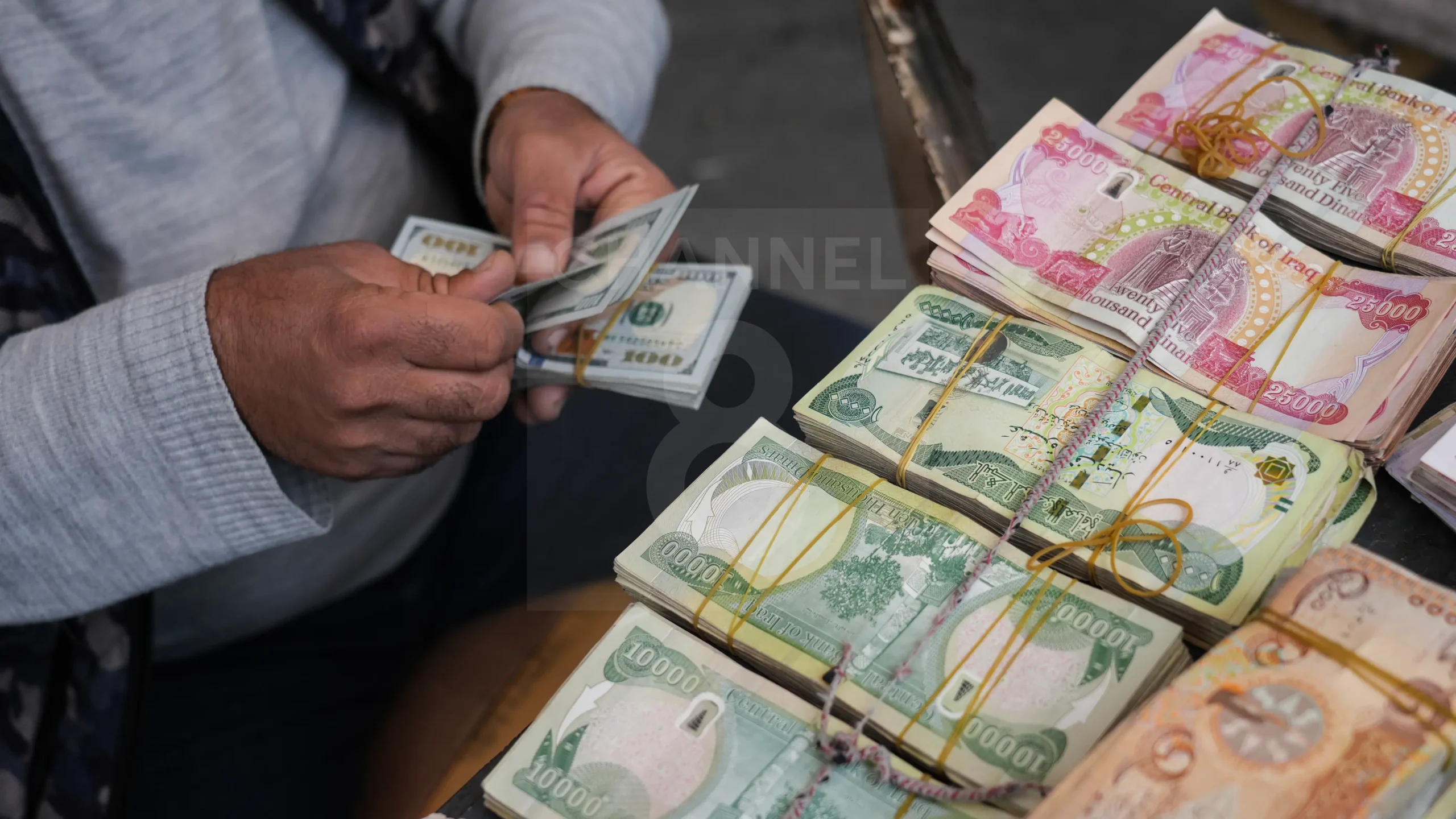
Dr. Abdulkhaliq conceded that the legal penalties are remarkably lenient, noting that judges most frequently issue mere fines of up to 500,000 Iraqi Dinars—a negligible slap on the wrist for operators pulling in massive profits from online sales.
Dr. Abdulkhaliq emphasized that official Ministry authentication stickers cannot legally be replicated. He pointed out that all certified pharmacies across the region are equipped with the necessary digital tools to double-check the legitimacy of regulatory stickers. He reiterated a strict legal boundary: Any medicine, supplement, or health product claiming to cure or resolve human ailments that is sold outside of authorized, licensed pharmacies is entirely illegal.
Part V: Action and Conclusion
The relentless investigative pressure brought by Radar8 and Zhin Zhyar did not end in the studio. In the final phase of the investigation, the public outcry and official documentation prompted regional authorities into immediate, coordinated action.
A joint committee was formally established across Erbil and Slemani. Law enforcement and health inspectors initiated sweeping procedures, successfully shutting down multiple illicit online shops and seizing large quantities of dangerous counterfeit goods.
As the second and final part of the investigative series drew to a close, Zhin Zhyar delivered a powerful concluding statement to Channel8's viewers. She emphasized that she and her team had fulfilled their journalistic duty in exposing the dangers, unmasking the culprits, and bringing the truth to light.
Ultimately, she concluded, the final line of defense rests with the public: it is the audience's active decision to turn away from the unregulated digital marketplace, protect their families, and refuse to buy into the toxic allure of online snake oil.


 (1).webp)