Coordination Framework Meeting Ends Without Consensus on Jurf al-Sakhar
At a Glance
The Coordination Framework meeting ended without a consensus on Jurf al-Sakhar, despite Prime Minister Ali al-Zaidi insisting on taking control.
While some bloc leaders proposed dialogue to resolve the standoff, official discussions also covered the general budget and economic stability.
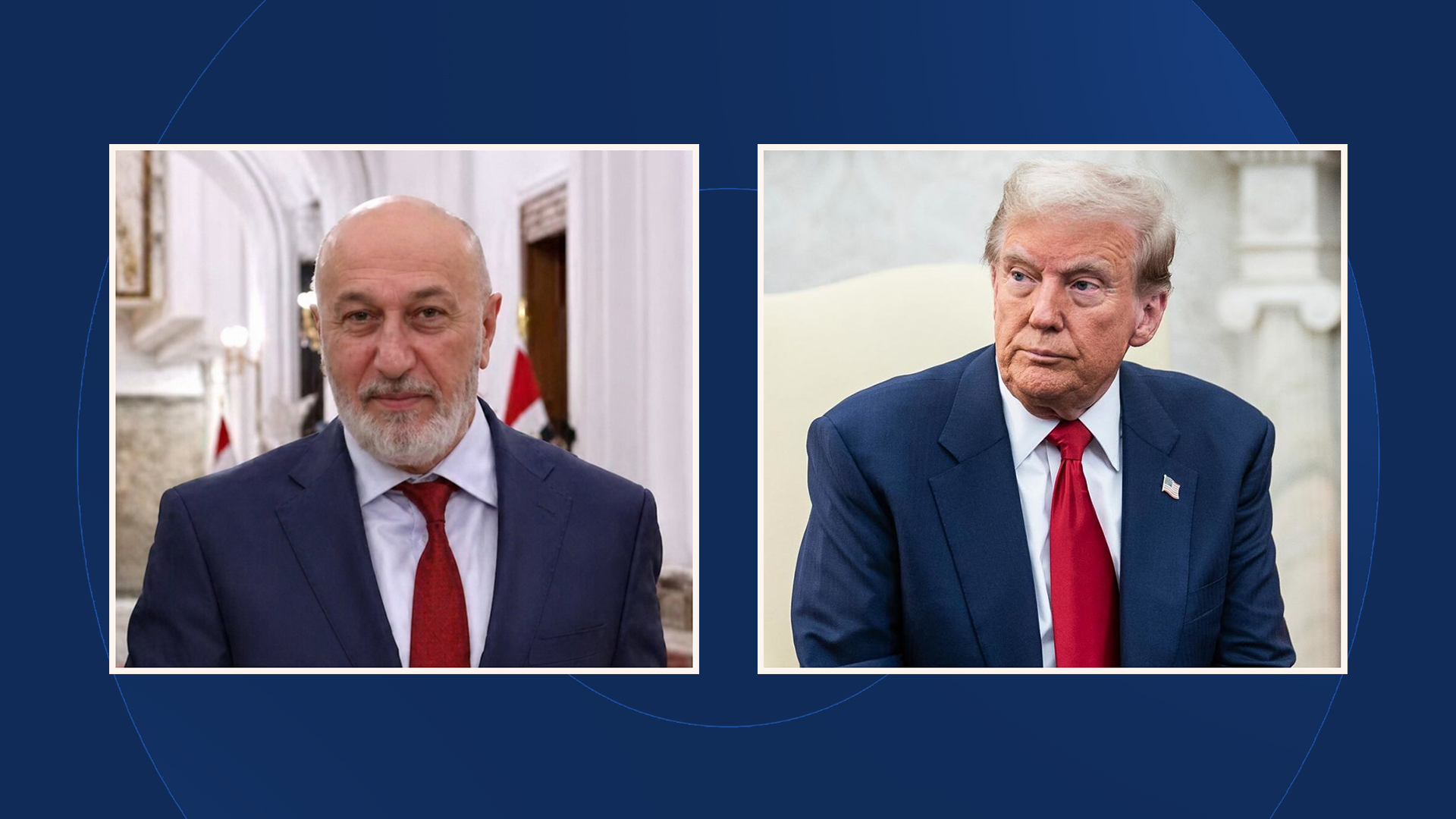
Following the session, the bloc hosted a delegation led by Iraqi President Nizar Amedi, Bafel Jalal Talabani, and Shaswar Abdulwahid.
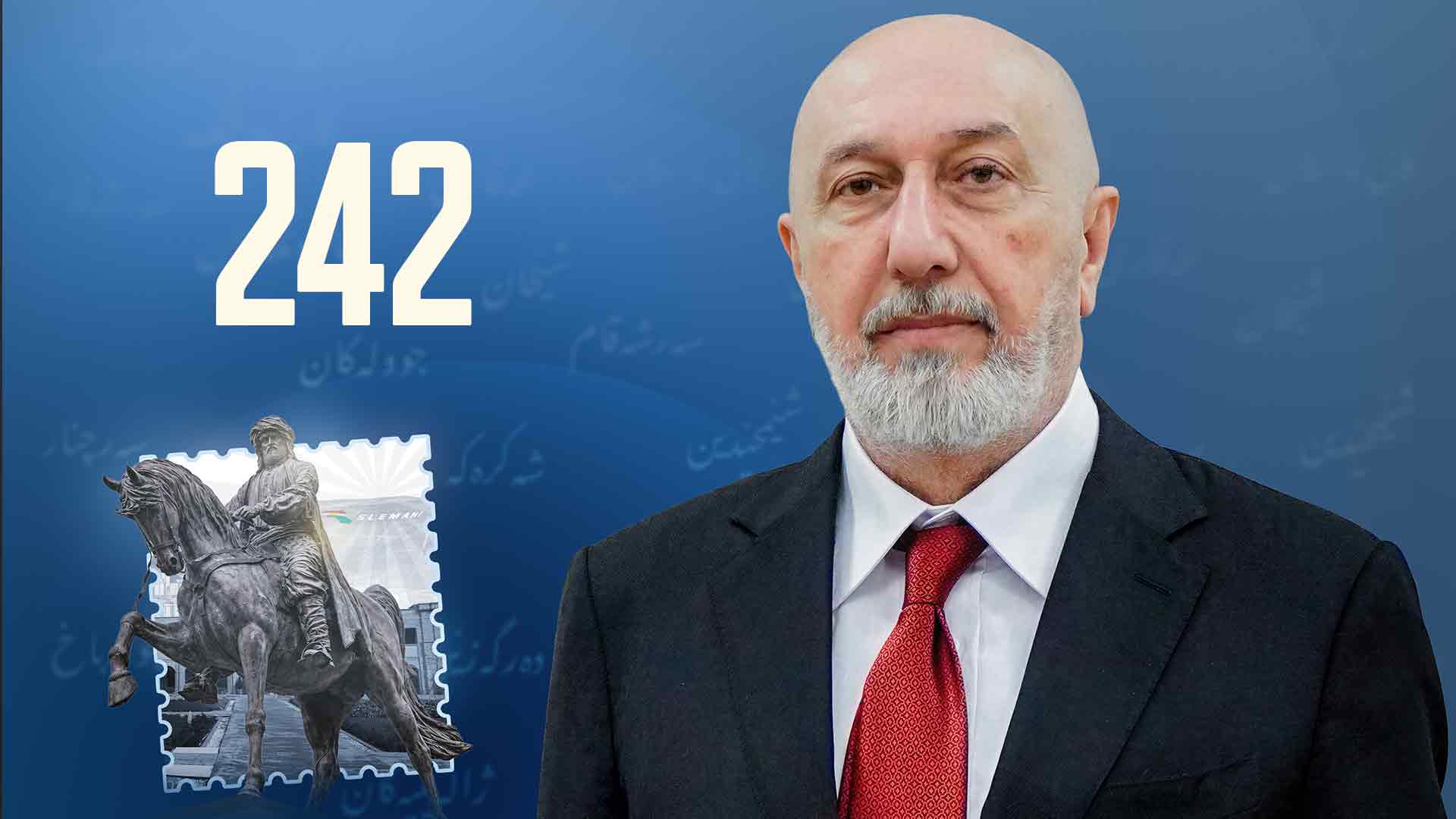
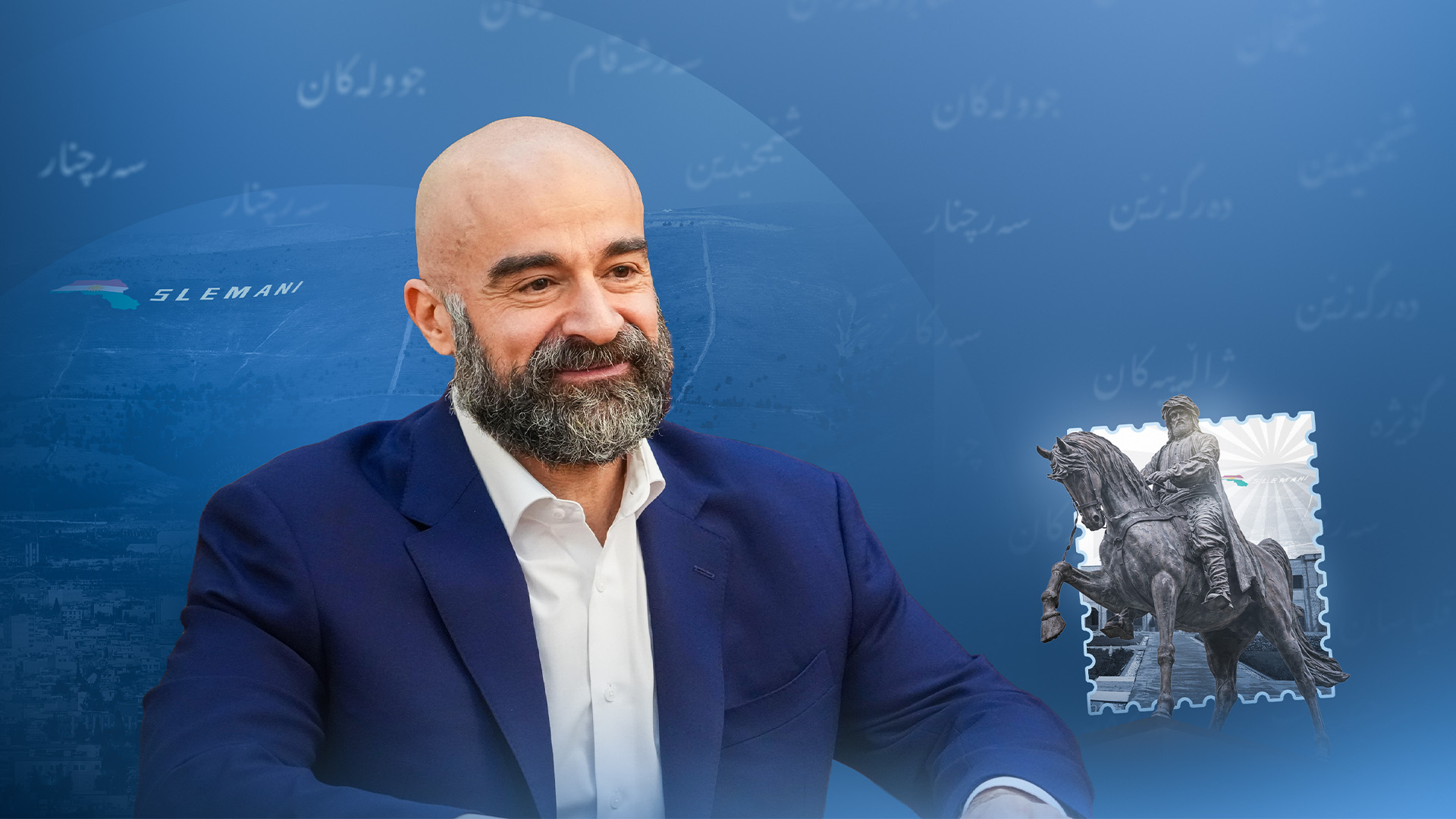
The Coordination Framework meeting has concluded, with Channel8 learning that Prime Minister Ali Faleh al-Zaidi insisted on taking control of Jurf al-Sakhar, while bloc leaders also met with PUK President Bafel Jalal Talabani and New Generation leader Shaswar Abdulwahid to affirm provincial fairness and support for constitutional steps.
Key Statements and Focus Area
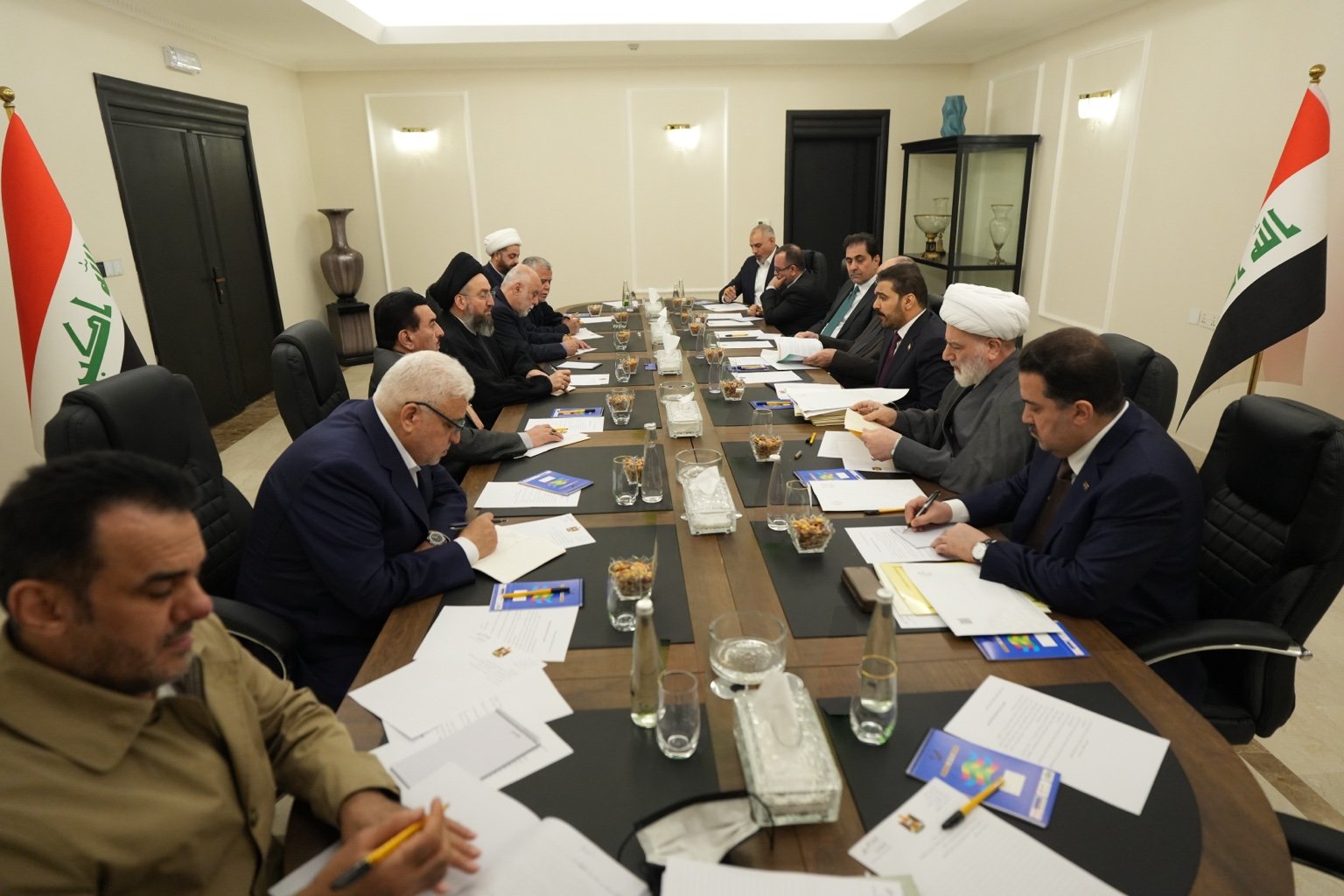
The Coordination Framework said in a statement that leaders “reviewed the general budget file, ways to strengthen economic stability, and meeting the requirements of the current phase, alongside discussing mechanisms to develop the work of the Coordination Framework’s internal committees to ensure higher performance efficiency and joint coordination.”
Channel8’s correspondent in Baghdad reported that the meeting ended with no consensus on Jurf al-Sakhar.
Jurf al-Sakhar, a strategic town south of Baghdad controlled by Kataib Hezbollah since 2014, has recently become the center of a federal standoff following the exposure of a major oil-smuggling network there.
Channel8 understands that during the meeting with Bafel Jalal Talabani and Shaswar Abdulwahid, Coordination Framework leaders agreed on fairness among the provinces. The bloc also expressed its support for any step that is constitutional and legal.
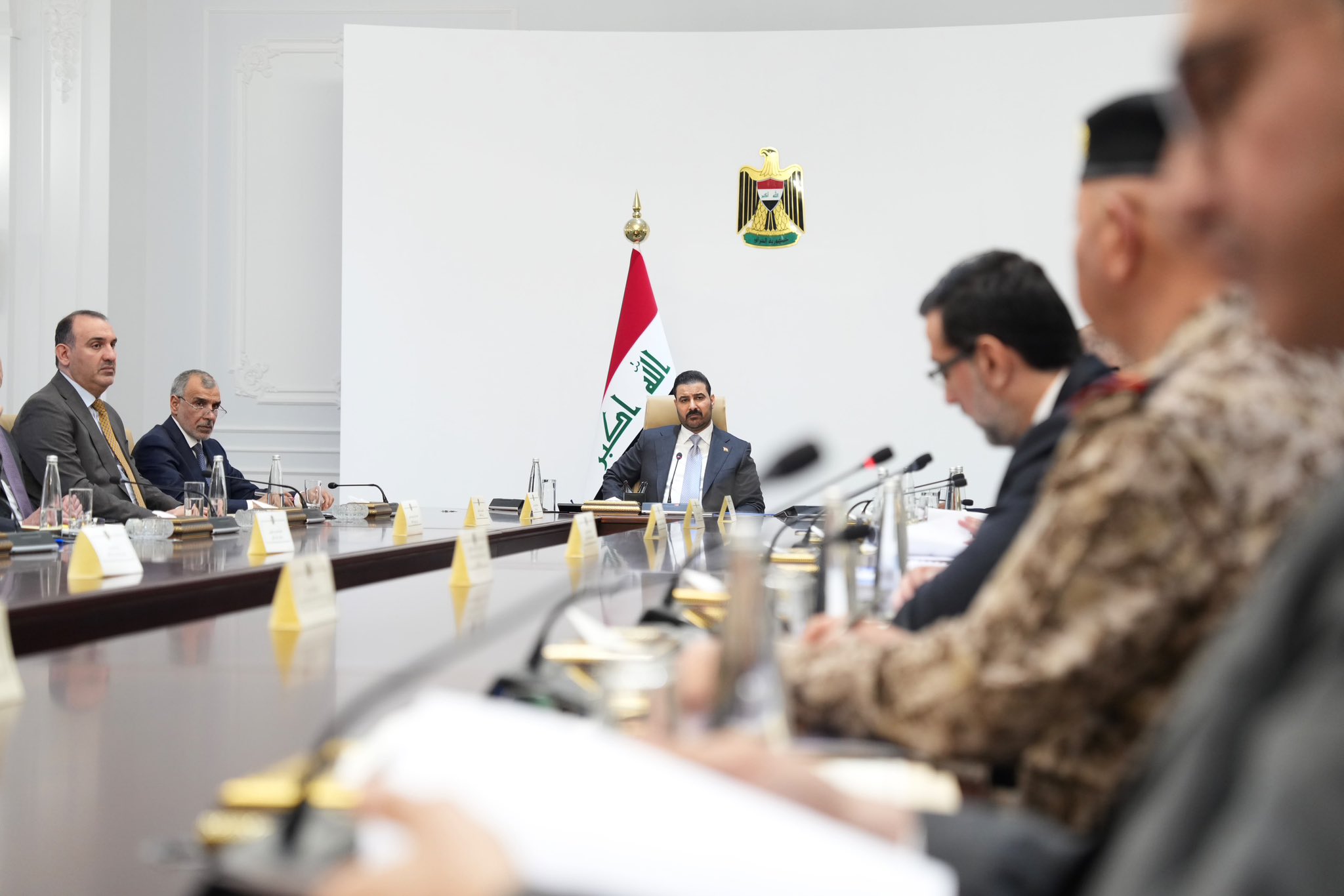
The Coordination Framework held its regular meeting on Monday at the office of Humam Hamoudi, head of the Islamic Supreme Council of Iraq, in the presence of Prime Minister Ali Faleh al-Zaidi.
The bloc stated that attendees discussed broad political, economic, and security developments across Iraq and the wider region, alongside international events and their repercussions.
However, regarding the issue of Jurf al-Sakhar, some leaders within the bloc proposed resolving the issue through dialogue.
The statement noted that following the conclusion of the official meeting's proceedings, leaders hosted a delegation comprising Iraqi President of the Republic Nizar Amedi, PUK President Bafel Jalal Talabani, and New Generation Leader Shaswar Abdulwahid, “where views were exchanged on current national issues, emphasizing the importance of sustaining dialogue and mutual understanding to bolster political stability and serve the interests of all Iraqi citizens.”
FYI
The Coordination Framework meeting coincided with Prime Minister Ali al-Zaidi’s decision to reassert federal control over Jurf al-Sakhar and dispatch a follow-up committee to investigate oil smuggling in the Kurdistan Region.
A source close to the Coordination Framework told Channel8 that the primary topic of Monday's session was the escalating dispute between Prime Minister al-Zaidi and the Iran-aligned armed faction Kataib Hezbollah.
Jurf al-Sakhar, officially renamed Jurf al-Nasr, is a strategic town roughly 60 kilometers south of Baghdad in Babil province that has remained under the control of Kataib Hezbollah since being retaken from ISIS in late 2014.
The current crisis erupted last week after a Federal Intelligence and Investigations Agency report, backed by satellite imagery, alleged that an organized smuggling network was tapping crude oil pipelines in Jurf al-Sakhar and operating illicit refineries.
On Saturday, Prime Minister al-Zaidi dismissed nine senior security, intelligence, and oil officials over the findings and referred those implicated to the judiciary.
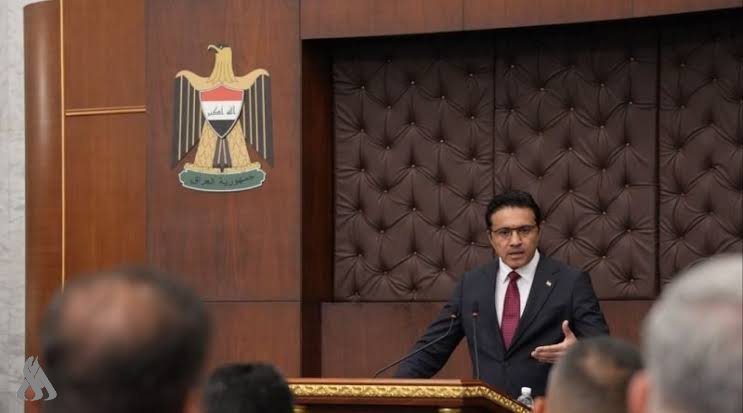
On Monday, government spokesperson Haider al-Aboudi announced that al-Zaidi had ordered the Iraqi armed forces to enter Jurf al-Sakhar and set an approaching deadline, reported by security sources to expire on Friday, for Kataib Hezbollah to withdraw from the area.
In preparation for the operation, federal military reinforcements, including Counter-Terrorism Service brigades and Rapid Response units, deployed from Baghdad toward the borders of Babil and Karbala provinces on maximum combat readiness.
Kataib Hezbollah has denied the oil-smuggling allegations, claiming the inspected facilities were standard fuel depots for military vehicles, and warned that it would confront federal forces entering the area.
Separately, the delegation's attendance at Monday's gathering in Baghdad followed an earlier visit on October 12, when PUK President Bafel Jalal Talabani and New Generation Movement Leader Shaswar Abdulwahid traveled to the capital for a series of political meetings.
Dive Deeper: Handpicked Stories for You
Follow Channel8 for continuous updates:
Iraqi Oil Smuggling Committee Inspects Border Crossings
Iraq Sets Withdrawal Deadline for Kataib Hezbollah in Jurf al-Sakhar
.jpg)