Iran Calls for 10% Cut in Gas Consumption Ahead of Winter Fuel Deficit
At a Glance
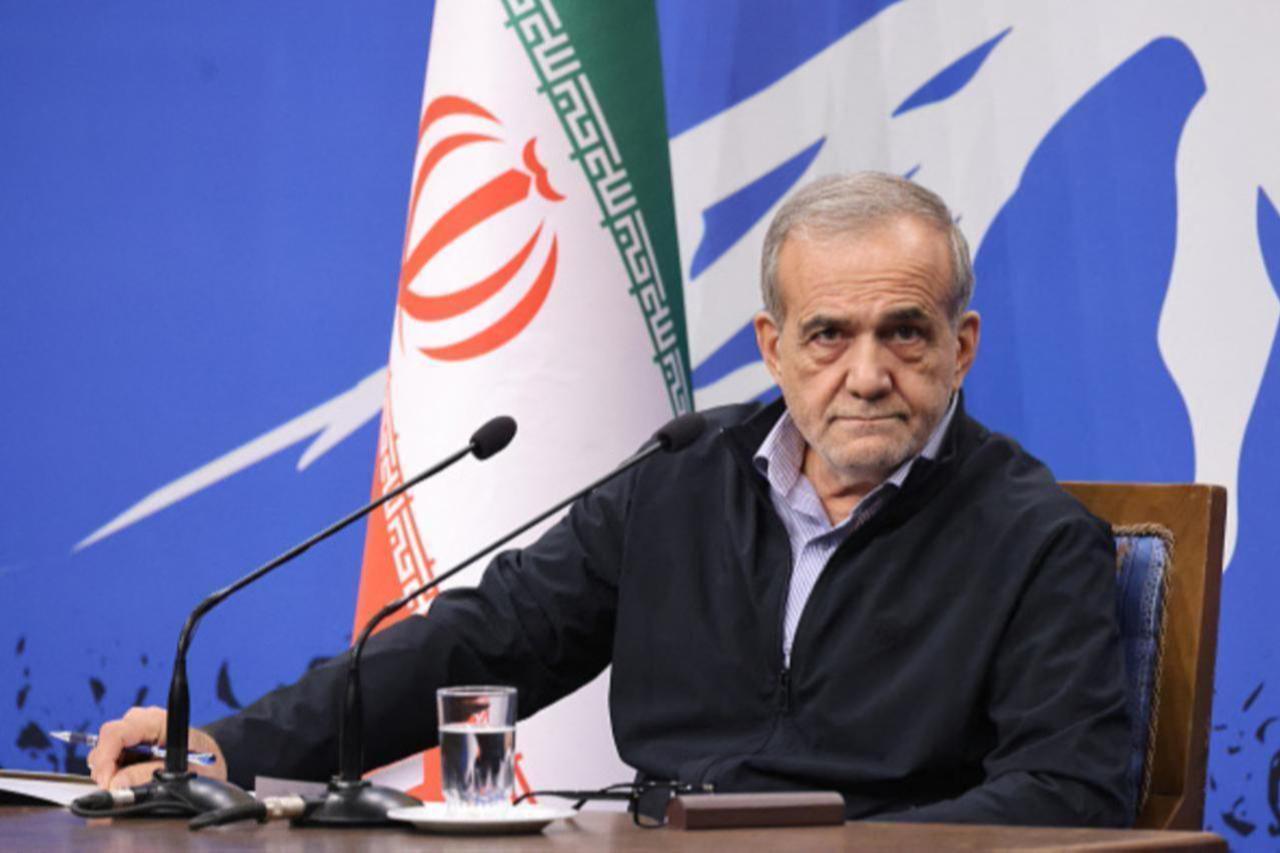
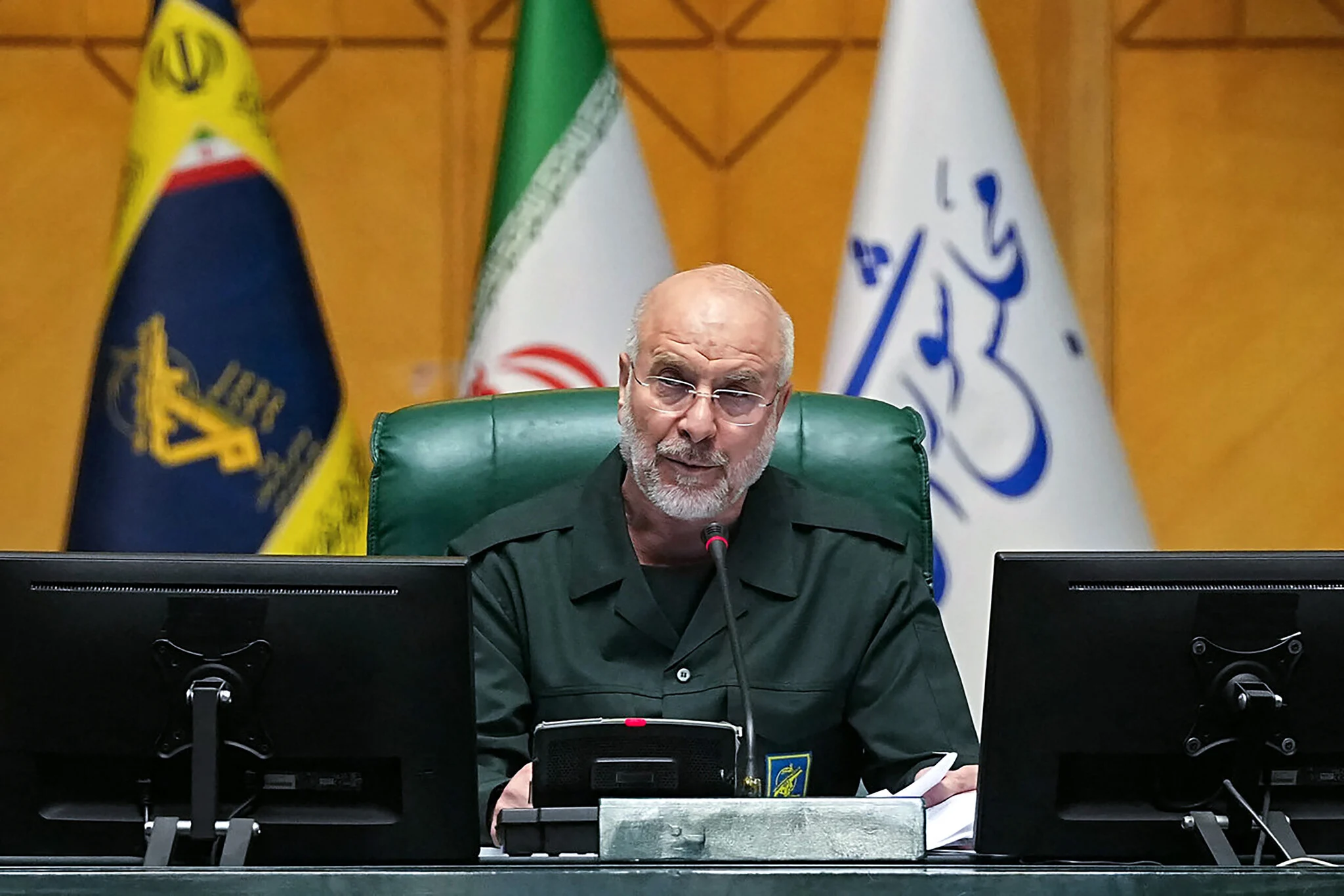
Iranian Parliament Speaker Mohammad Bagher Ghalibaf called for a nationwide campaign to cut natural gas consumption by at least 10 percent.
Iranian authorities anticipate a daily winter gas deficit ranging between 100 million and 250 million cubic meters.
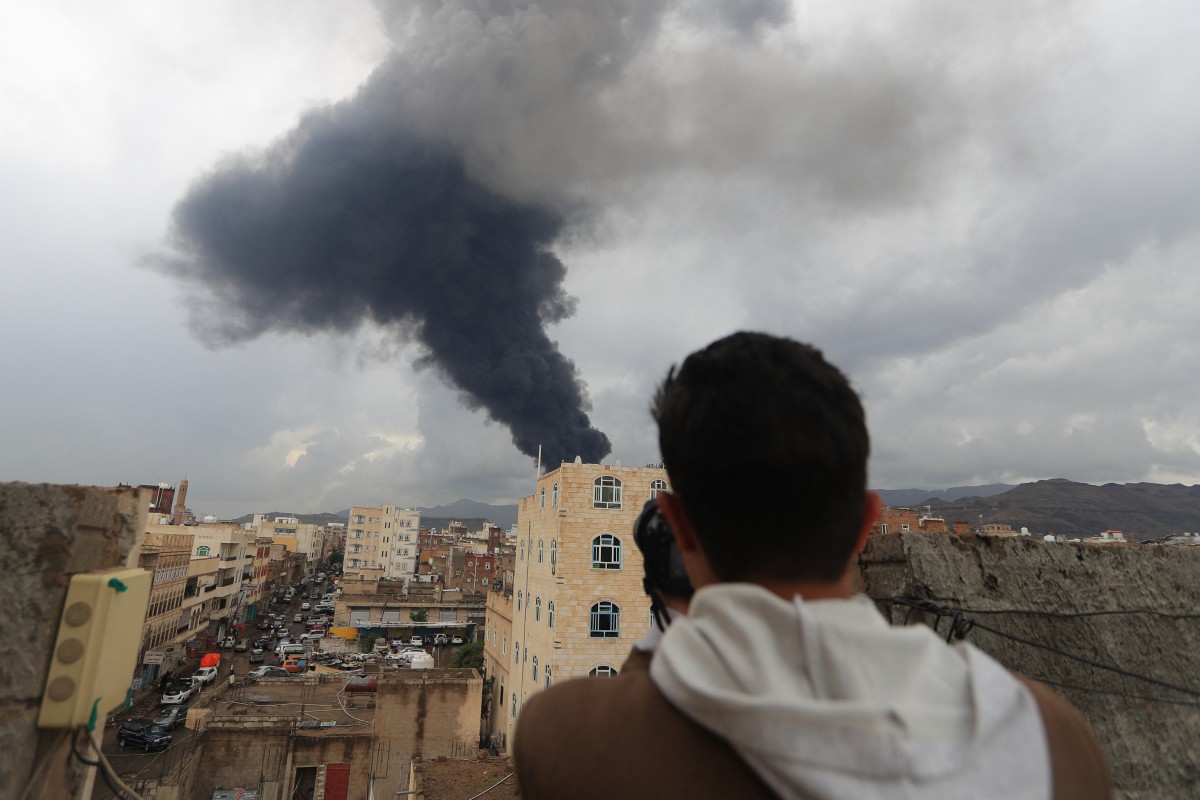
Infrastructure damage sustained during recent conflict has exacerbated pre-existing energy shortages ahead of the freezing winter months.
Iranian Parliament Speaker Mohammad Bagher Ghalibaf has urged citizens to reduce natural gas usage by at least 10 percent as the country braces for severe winter shortages following extensive damage to its energy infrastructure.
Key Statements and Focus Area
Iranian Parliament Speaker Mohammad Bagher Ghalibaf stated that "to get through the approaching winter, a nationwide effort is essential to reduce gas consumption by at least 10 percent."
Ghalibaf added that "anyone who saves gas, regardless of the amount, will immediately receive the corresponding proceeds in their bank account, allowing everyone to see the tangible impact of those savings on their household budget."
First Vice-President Mohammad Reza Aref previously warned that the government expects a daily "gas shortfall of 100 million to 250 million cubic meters during the cold season."
Addressing the nation in a broadcast carried by state media, Ghalibaf outlined a cash-incentive initiative designed to reward households directly for reducing their heating and gas usage. Under the proposed scheme, energy savings will be calculated and transferred directly to citizens' bank accounts.
The warnings follow statements by First Vice-President Mohammad Reza Aref, who confirmed that military strikes targeting key natural gas refineries and distribution networks have severely compromised national supply capacity. Aref noted that officials hope to restore at least 100 million cubic meters per day to the national grid before winter temperatures drop below freezing across northern provinces.
FYI
Infrastructure Damage: Key energy facilities across Iran sustained significant operational damage during the peak of military engagements, worsening systemic production deficits.
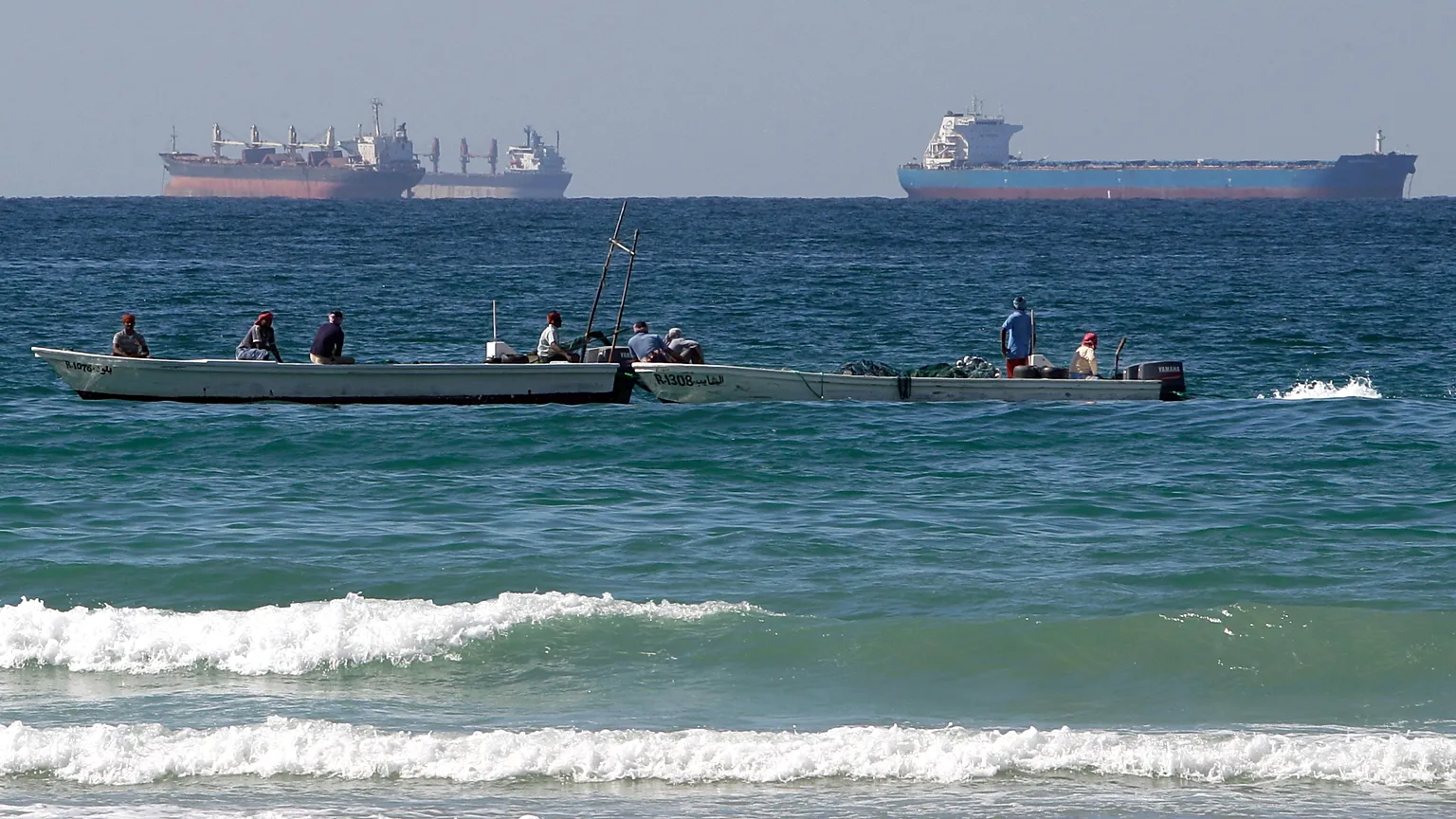
Economic Pressures: Combined with ongoing maritime tensions and trade blockades surrounding the Strait of Hormuz, damaged refining capabilities have heightened domestic economic and energy pressures.
Dive Deeper: Handpicked Stories for You
Follow Channel8 for continuous updates: