CENTCOM Chief Visits Strait of Hormuz to Assess Waterway Security Operations
At a Glance
CENTCOM Commander Admiral Brad Cooper visited the Strait of Hormuz aboard a U.S. Army CH-47 Chinook helicopter to assess operations.
U.S. forces have assisted regional partners in exporting over 1.5 billion barrels of crude oil through the strategic waterway since the summer.
More than 3,000 commercial vessels have successfully transited the strait over the past six months with a safety rate exceeding 95 percent.
U.S. military clearance operations successfully cleared primary international shipping routes in the strait of sea mines laid by Iran's IRGC.
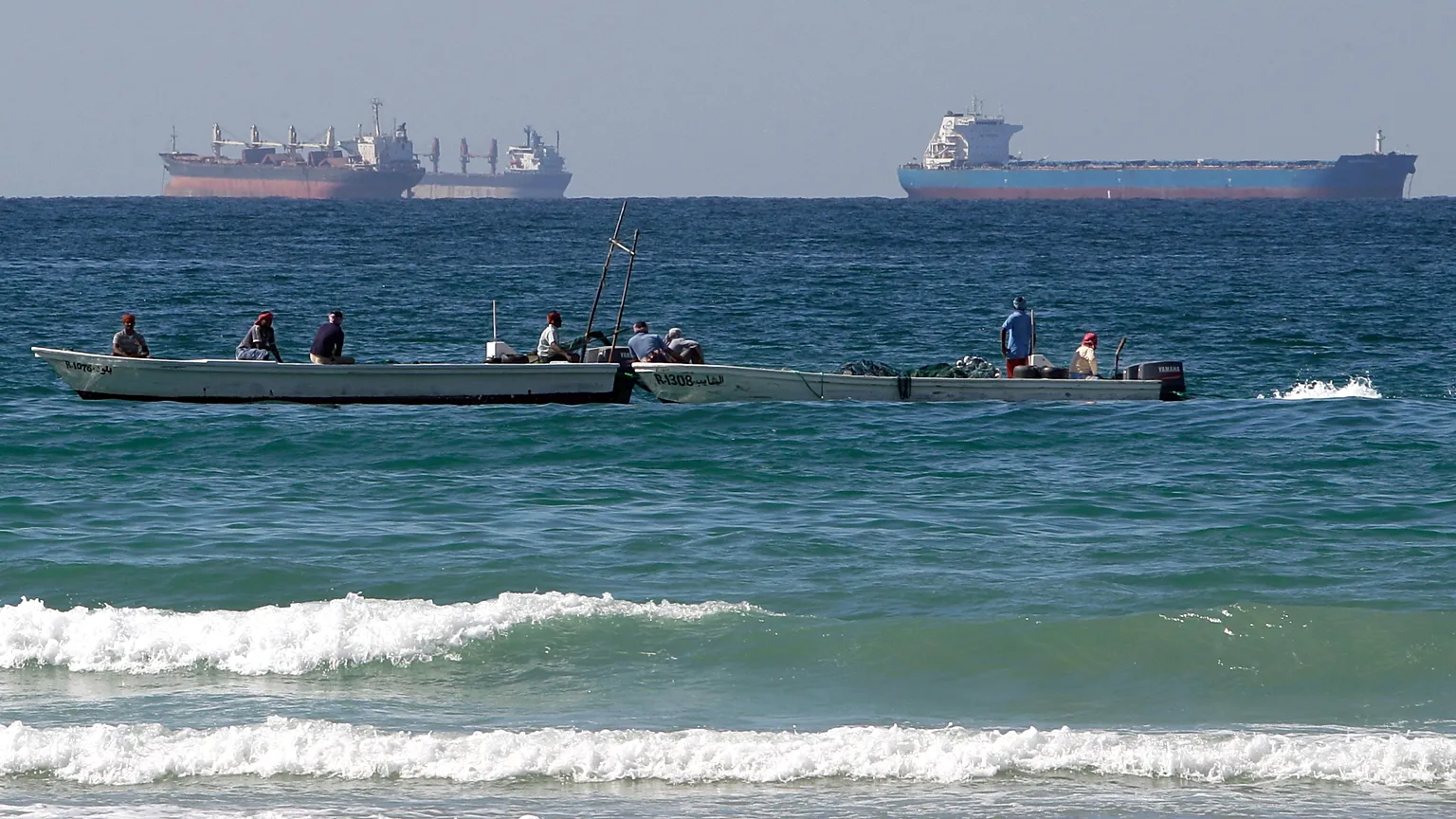
U.S. Central Command (CENTCOM) Commander Admiral Brad Cooper conducted an operational visit to the Strait of Hormuz on Sunday, evaluating security measures and freedom of navigation across the world's most critical maritime oil transit chokepoint.
Key Statements and Focus Area
Adm. Brad Cooper stated: "We continue to stand shoulder to shoulder with our Gulf partners and the shipping industry. This visit underscores our strong commitment to continued freedom of navigation through the Strait of Hormuz."
Regarding naval counter-mine operations, Cooper highlighted: "Today, primary transit routes in the Strait of Hormuz remain free and clear of Iranian sea mines thanks to incredible efforts by our people."
Cooper added: "We remain intensely focused on keeping commercial traffic flowing as we work with our teammates in the US interagency, Gulf Cooperation Council, and shipping industry."
According to statements released by CENTCOM, Cooper flew over the strategic waterway aboard a U.S. Army CH-47 Chinook helicopter to assess maritime security. During his visit, the commander met with U.S. service members engaged in mine clearance operations following efforts to clear sea mines deployed by Iran’s Islamic Revolutionary Guard Corps (IRGC).
Despite persistent regional friction and Iranian attempts to restrict maritime passage, CENTCOM confirmed that more than 95 percent of commercial vessels navigating the Strait of Hormuz passed through safely in recent months, with over 3,000 commercial ships completing transits under U.S. and allied protection.
FYI
Strategic Importance: Connecting the Persian Gulf to the Gulf of Oman and the Arabian Sea, the Strait of Hormuz serves as a vital maritime bottleneck for global energy shipments.
Naval Posture: Washington maintains naval enforcement and counter-blockade measures across regional waters to safeguard international shipping lanes following earlier military escalations.
Dive Deeper: Handpicked Stories for You
Follow Channel8 for continuous updates: