Microbes on Rembrandt's "Night Watch" Go on Display in Amsterdam
At a Glance
A new exhibition reveals the microscopic life living on Rembrandt's masterpiece.
Bacteria taken from the painting are displayed in Petri dishes.
The exhibition opens to the public on November 11.
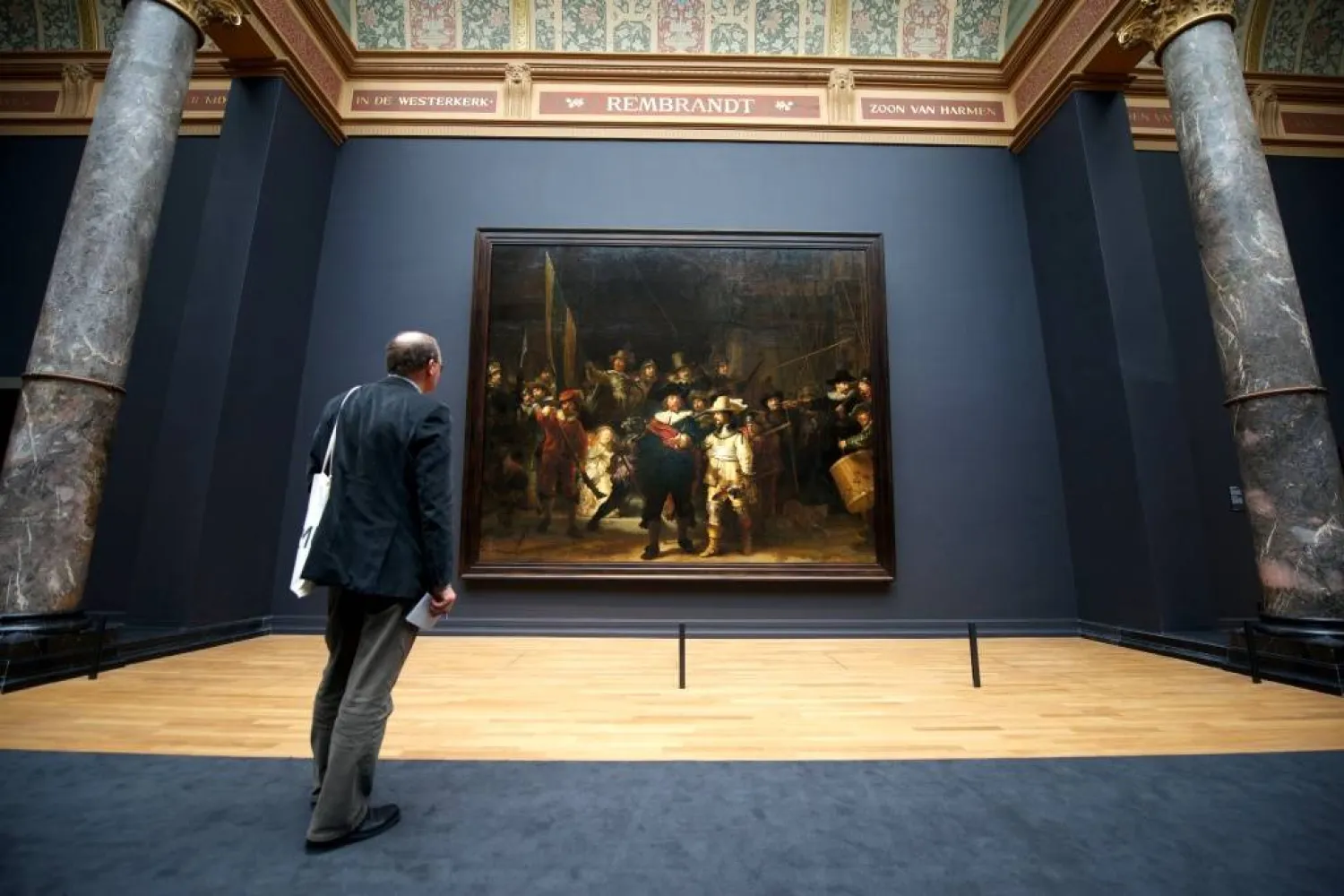
A new exhibition in Amsterdam lifts the veil on the hidden world of microbes covering Rembrandt's "Night Watch," one of the most famous works of the Dutch Golden Age.
Key Statements and Focus Area
Microbiologist on the Finds: "We found a lot of microbes that are very commonly found, for instance, on human skin, or in the soil." — Eline van Bloois, microbiologist, Artis-Micropia Museum.
Microbiologist on the Surprise: "That's the beauty of science, because you ask one question, and you get 100 questions in return." — Eline van Bloois.
Focus Area: The "The Night Watch Lives" exhibition and what the microbes on the painting reveal.
The exhibition is a joint effort between the Rijksmuseum, where the painting hangs, and Amsterdam's Artis-Micropia Museum, known as the city's "microbe zoo."
Samples were taken over six months from around sixty spots on the painting, and the bacteria were cultivated into colonies that are now shown in Petri dishes beside a life-size reproduction of the work.
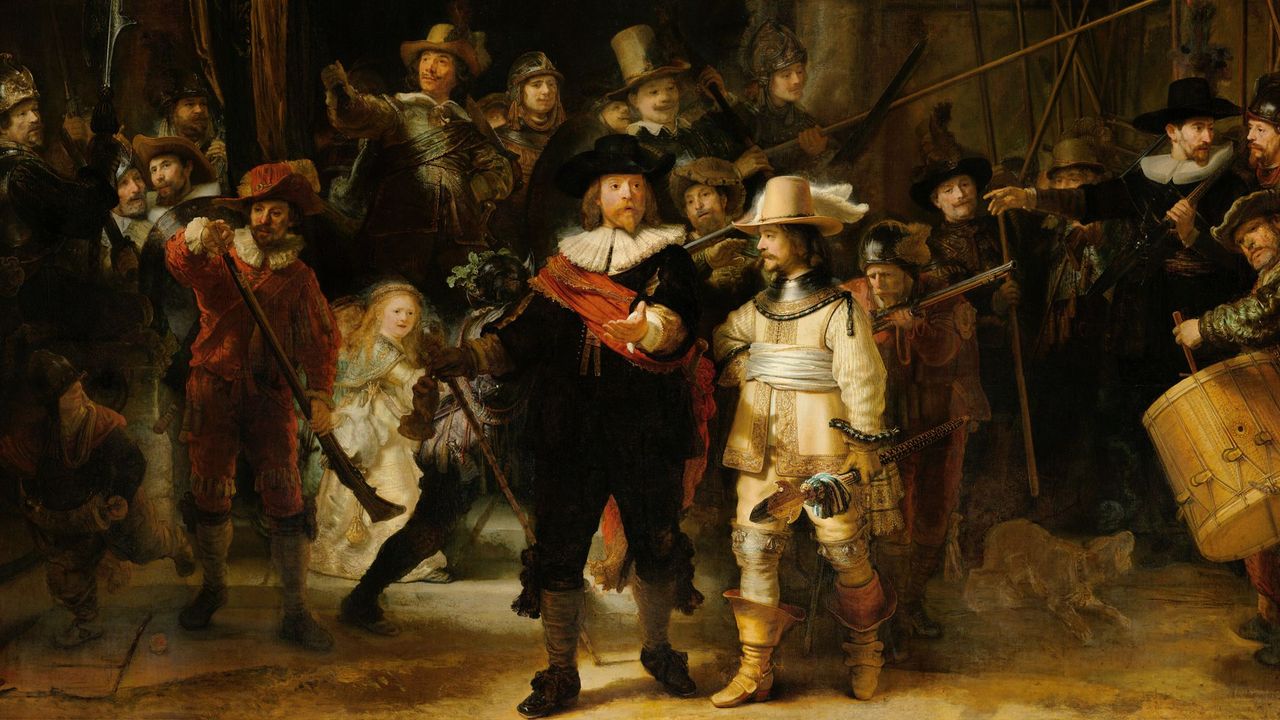
Van Bloois said the microbes are not harmful to the painting and that it is impossible to tell whether any date back to Rembrandt, since a single microbe cannot show whether it has been there for 400 years or a day.
One of the most surprising discoveries was Microbacterium saccharophilum, a bacterium commonly found at a Japanese sugar refinery, which turned up in an area where the varnish had been removed.
FYI
The exhibition is part of "Operation Night Watch," a large-scale research and restoration project on the painting that has been under way since 2019 inside a specially designed glass chamber at the Rijksmuseum.
Dive Deeper: Handpicked Stories for You
Follow Channel8 for continuous updates:
Van Gogh and Cezanne Works Lead $500 Million Art Auction