Excavations at Kabul's Bala Hissar Fortress Unearth Over 2,000 Years of History
At a Glance
A long-term project is conserving Kabul's ancient Bala Hissar fortress.
Excavations have uncovered Buddhist and Mughal-era remains.
The goal is to turn the site into a public archaeological park.
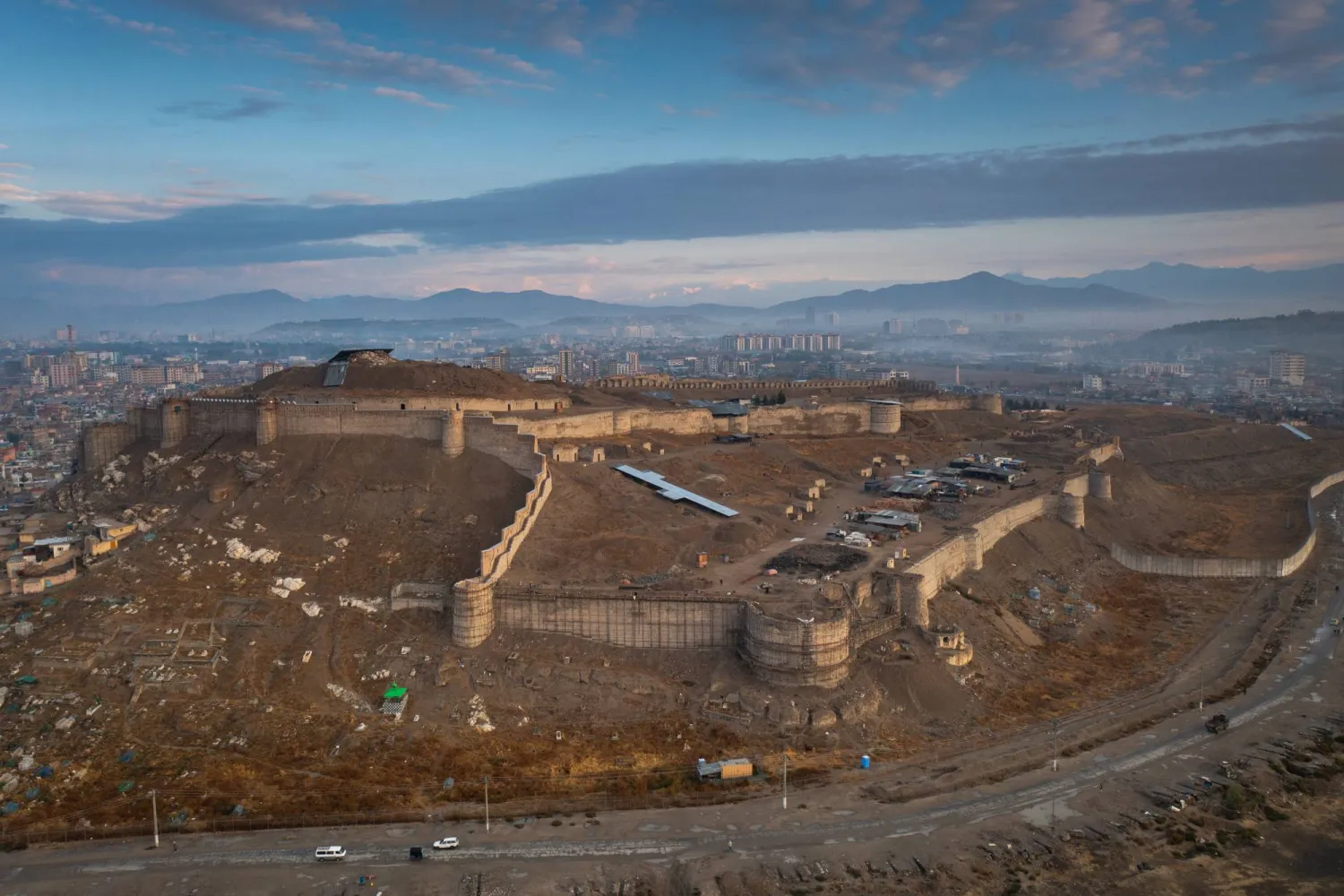
An extensive conservation project at Kabul's crumbling Bala Hissar fortress is revealing more than two millennia of Afghan history, with archaeologists uncovering far more than they expected.
Key Statements and Focus Area
Archaeologist on the Finds: "We never thought we would find so much. It's like a submarine coming out of the ocean." — Babak Rafiei-Alavi, archaeologist.
Project Manager on the Site's Importance: "Effectively, whoever controlled Bala Hissar controlled Kabul and controlled the region." — Mustafa Nouri, Aga Khan Cultural Services Project Manager.
Focus Area: The conservation and excavation of Bala Hissar and its transformation into a public archaeological park.
The Aga Khan Trust for Culture began work in 2018 and has carried out its most extensive efforts since 2022. Five trenches have yielded ancient coins, fragments of Buddhist statues, glazed Islamic ceramics, oil lamps, pottery, and the remains of palaces, monasteries, and homes.
Among the most surprising discoveries are the remnants of a Mughal palace with murals, a throne-like structure, and a star-shaped pool carved into the rock. One trench is already 11 meters deep.
Crews are rebuilding sections of the defensive walls with locally sourced rock, deliberately making new segments distinguishable from the originals, and have used metal reinforcements to save a split tower.
The plan includes landscaped gardens, restaurants, a museum, and a training program for Afghan archaeology students, a commitment expected to last decades.
The Taliban government says it is committed to preserving the site, a departure from its rule in 1996 to 2001, when it destroyed the Bamiyan Buddhas and ransacked the National Museum.
FYI
Bala Hissar, meaning "High Fort" in Dari, overlooks Kabul's old city and has served as a fortress, palace complex, arsenal, prison, and garrison, with part of it still used by the Afghan military.
British troops destroyed much of it in 1879 after the killing of envoy Sir Louis Cavagnari, and US forces leveled part of the site in 2008, damaging archaeological layers.
The French Archaeological Delegation, initially involved in excavations, did not return after the Taliban takeover in 2021.
Dive Deeper: Handpicked Stories for You
Follow Channel8 for continuous updates:
Duhok's Gumbas Site Yields New Archaeological Finds
Roman Jewelry Workshop Found Under New Housing Estate in Wales
Groundbreaking 7,000-Year-Old Architectural Roof Remains Unearthed In Kurdistan