Sudan, Somalia and Indonesia Take Back Nationals From Rojava's al-Roj Camp
At a Glance
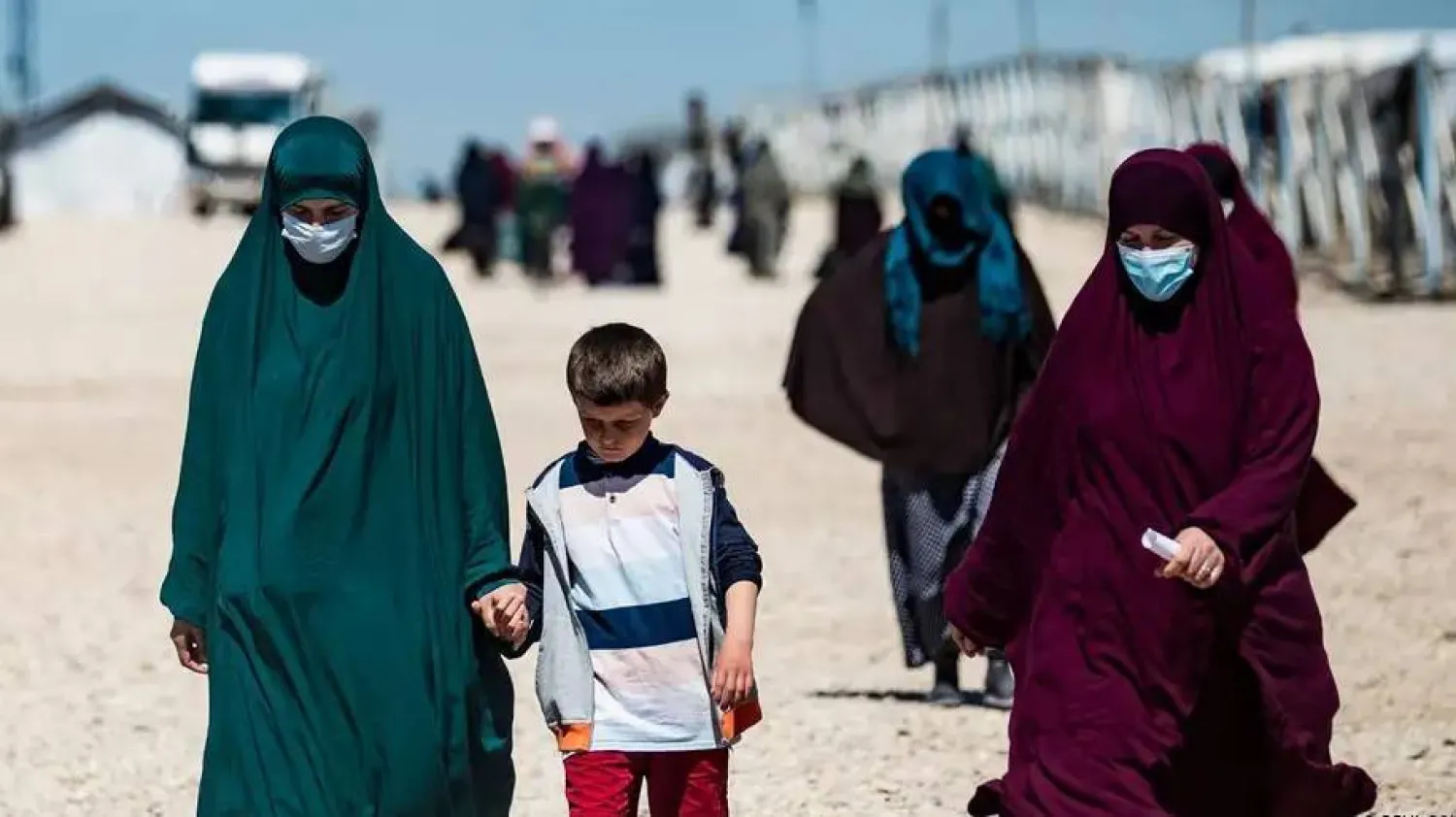
Representatives of Sudan, Somalia, and Indonesia received another group of their nationals from the al-Roj camp in Rojava.
Al-Roj is the last remaining camp housing families of ISIS fighters in the country.
Activists say Damascus appears to be preparing to take over its administration.
Another group of Sudanese, Somali, and Indonesian nationals has been handed over from the al-Roj camp in Hasakah province, as repatriations continue from Rojava’s (Western Kurdistan) last camp for families of ISIS fighters.
Key Statements and Focus Area
Resident on the Government's Plans: The repeated visits by government security delegations suggest Damascus is preparing to take over administration of the camp from the dissolved Syrian Democratic Forces (SDF). — Local activist.
Resident on Dual Nationals: Some women have refused to be handed over to Sudanese authorities and are demanding transfer to the British government, so those with dual nationality have yet to be repatriated. — Ibrahim al-Halabi, Hasakah resident.
Focus Area: The latest repatriations from al-Roj camp and the uncertainty over its future.
The handover took place three days ago during a visit by foreign representatives, accompanied by Syrian government officials and Internal Security Forces members.
According to Halabi, it included 12 Indonesian women and their children, 30 Somali women, and between three and nine Sudanese women. Several groups of nationals from these countries have been repatriated since 2022.
Dual citizenship, including Sudanese-British and Somali-British, has complicated the return of others.
Security forces have entered the camp several times recently, transferring out residents from Australia, Sudan, Somalia, Indonesia, and Trinidad and Tobago, which brought considerable relief to those inside.
Halabi expects security arrangements to stay under former SDF personnel integrated into the Internal Security Forces under the January 2026 agreement between Damascus and the Kurdish-led force.
FYI
Al-Roj houses around 2,200 women and children in 750 tents, with residents holding nationalities including Turkish, Russian, British, French, German, Australian, Indonesian, Sudanese, Somali, and Tunisian.
It became the last such camp after the Syrian government took control of al-Hol, once the largest and described as the world's most dangerous, from the SDF in February and began moving its foreign residents to another camp in Aleppo province.
Activists say it remains unclear when al-Roj will close or where its residents will go.
Dive Deeper: Handpicked Stories for You
Follow Channel8 for continuous updates:
SDF Slams Government for Failing to Manage al-Hol Camp
Al-Hol Camp’s Foreign ISIS Families Largely Gone, AFP Reports