Political Rivalries and Unimplemented Agreement Leave Shingal in Total Deadlock
At a Glance
- Partisan rivalries in Shingal block the appointment of a permanent district governor.
- The 2020 Shingal Agreement remains unimplemented.
- Yazidi survivor compensation is completely stalled because Baghdad withholds critical reconstruction funds due to budget shortages.
Years after its liberation, Shingal (Sinjar) remains trapped in a total administrative deadlock as deep partisan rivalries prevent the appointment of a permanent district governor (Qaimaqam) and stall crucial reconstruction, while six years after its signing, the Shingal Agreement between Erbil and Baghdad remains entirely unimplemented with the district still under armed group control.
Key Statements and Focus Areas
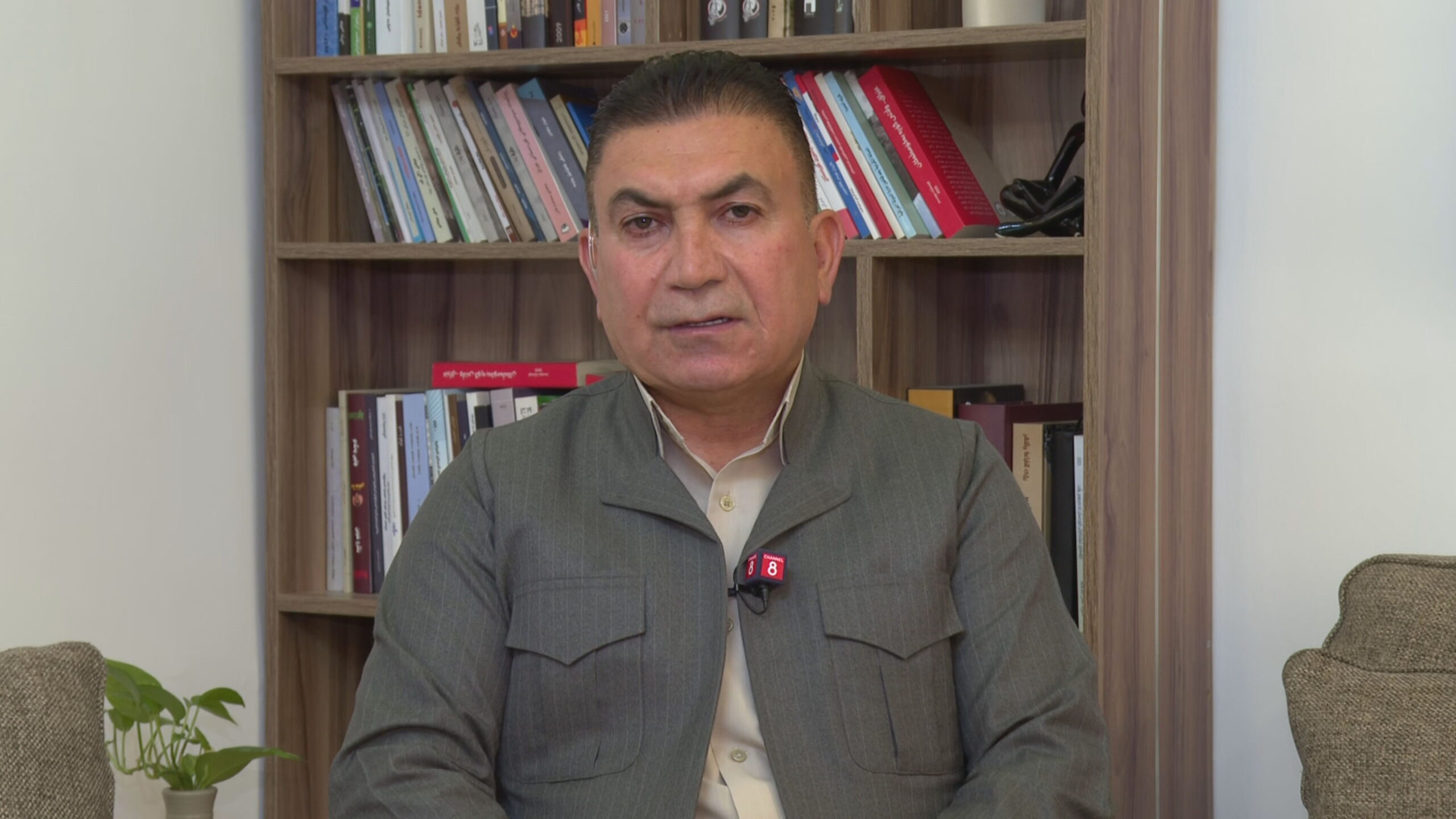
- Basman Smo Bozani, a member of the Iraqi Parliament, stated that partisan rivalries are the sole reason a new mayor has not been appointed.
- Idan Shivan, a member of the Nineveh Provincial Council, noted: "The Shingal Agreement was made without the Yazidis and is practically finished."
Channel8 has learned that despite the years that have passed since the Yazidi genocide and the town's subsequent liberation in 2015, deep partisan rivalries continue to block the appointment of a permanent district governor.
This political standstill has left public services and reconstruction plans as nothing more than ink on paper.
The Nineveh Provincial Council, local forces inside the town, and external political factions each insist that the district governor seat must belong to their own group.
This ongoing conflict has ensured that even after the nomination process was officially opened, no legal or permanent solution has been achieved.
Member of Parliament Bozani emphasized that these factions prioritize partisan interests over the public good and refuse to compromise for the sake of Shingal’s recovery.
The Stalled Shingal Agreement
Meanwhile, six years after the signing of the agreement between Erbil and Baghdad, the district remains under the control of armed groups, while thousands of displaced persons languish in tents waiting for compensation that has been withheld by Baghdad under the pretext of a "lack of budget."
The agreement encompassed three main pillars—security, administration, and reconstruction—but none of them have been implemented:
- Security: All armed groups, such as the Kurdistan Workers' Party (PKK) and the Popular Mobilization Forces (PMF), were scheduled to withdraw from the district center. However, the security portfolio remains out of the hands of the local police.
- Administration: The administrative track, which included appointing a new district governor and vetting local security forces, has stalled due to political disagreements between Erbil and Baghdad.
- Reconstruction: Local officials state that regional pressure and the presence of various armed factions remain major obstacles preventing displaced families from returning safely to their homeland.
On the other hand, the compensation process for Yazidi survivors faces severe financial obstacles. Despite former Prime Minister Mohammed Shia al-Sudani establishing a committee in March 2024, no funds have been disbursed under the pretext of budget shortages.
Dayan Jaafar, the Director of Migration and Displaced Persons in Duhok, pointed out that out of 6,000 displaced people registered to return, only 3,000 have received compensation checks. However, due to a severe lack of liquidity in the banks, they are unable to cash them.
FYI
Shingal was liberated from ISIS in 2015, yet the absence of a legitimate, unified administration remains its greatest obstacle. Mahma Khalil served as the town's district governor for a long period, followed by Fahad Hamu, who took over running daily administrative affairs.
However, due to Baghdad's refusal to recognize his authority, Hamu resigned in 2023, leaving Naif Seydo to currently oversee day-to-day operations.
The 2020 agreement between Erbil and Baghdad, which was supposed to establish a brand-new administration, remains entirely unimplemented to this day due to armed group friction and political disputes.
The "Yazidi Survivors Law," enacted in 2021, guarantees survivors the right to a monthly salary, land allocations, and employment opportunities, but the implementation of these benefits remains extremely slow.
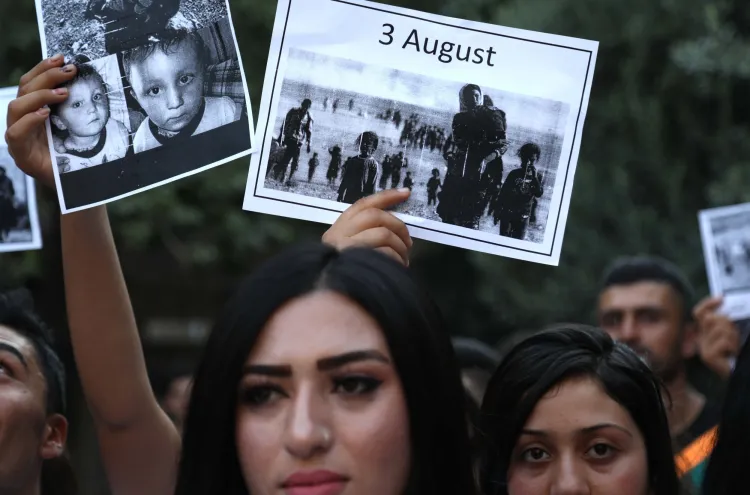
Shingal, which faced genocide in 2014, still stands in ruins as political rivalries between the various parties continue to block reconstruction projects and the safe return of displaced residents.
Dive Deeper: Handpicked Stories for You
Follow Channel8 for continuous updates:
https://channel8.com/english/news/62869
https://channel8.com/english/news/62920
https://channel8.com/english/news/62930
https://channel8.com/english/news/62879
.jpg)
.webp)