Ancient Greek Coins Used Medusa to Project Military Power
At a Glance
A new study links Medusa imagery on ancient coins to political messaging and psychological warfare.
The coins were minted under King Mithradates VI between 120 and 63 B.C.
Researchers say the designs were intended to intimidate enemies and signal victory over Rome.
Medusa imagery later appeared on tombs, buildings, and decorative objects across the region.
A new study has found that the ancient Greek kingdom of Pontus used images of Medusa on coins as a tool of political messaging and psychological warfare more than 2,000 years ago, during King Mithradates VI’s resistance to Roman expansion.
Key Statements and Focus Area
Psychological Warfare: The coin designs were intended to “intimidate the enemy and symbolize impending victory.” — Study published in the Journal of Literature and Humanities at Tokat Gaziosmanpaşa University
Political Messaging: “Medusa imagery supported Mithradates VI’s portrayal of himself as a liberator resisting Roman domination.” — Researcher Şengül Dilek Ful
Focus Area: The research traces how Medusa evolved from a symbol of political and military power into a wider protective image used in everyday objects and burial monuments.
Medusa on the Coins of Pontus
The research was conducted by Şengül Dilek Ful of Tokat Gaziosmanpaşa University in Turkey and published in the Journal of Literature and Humanities.
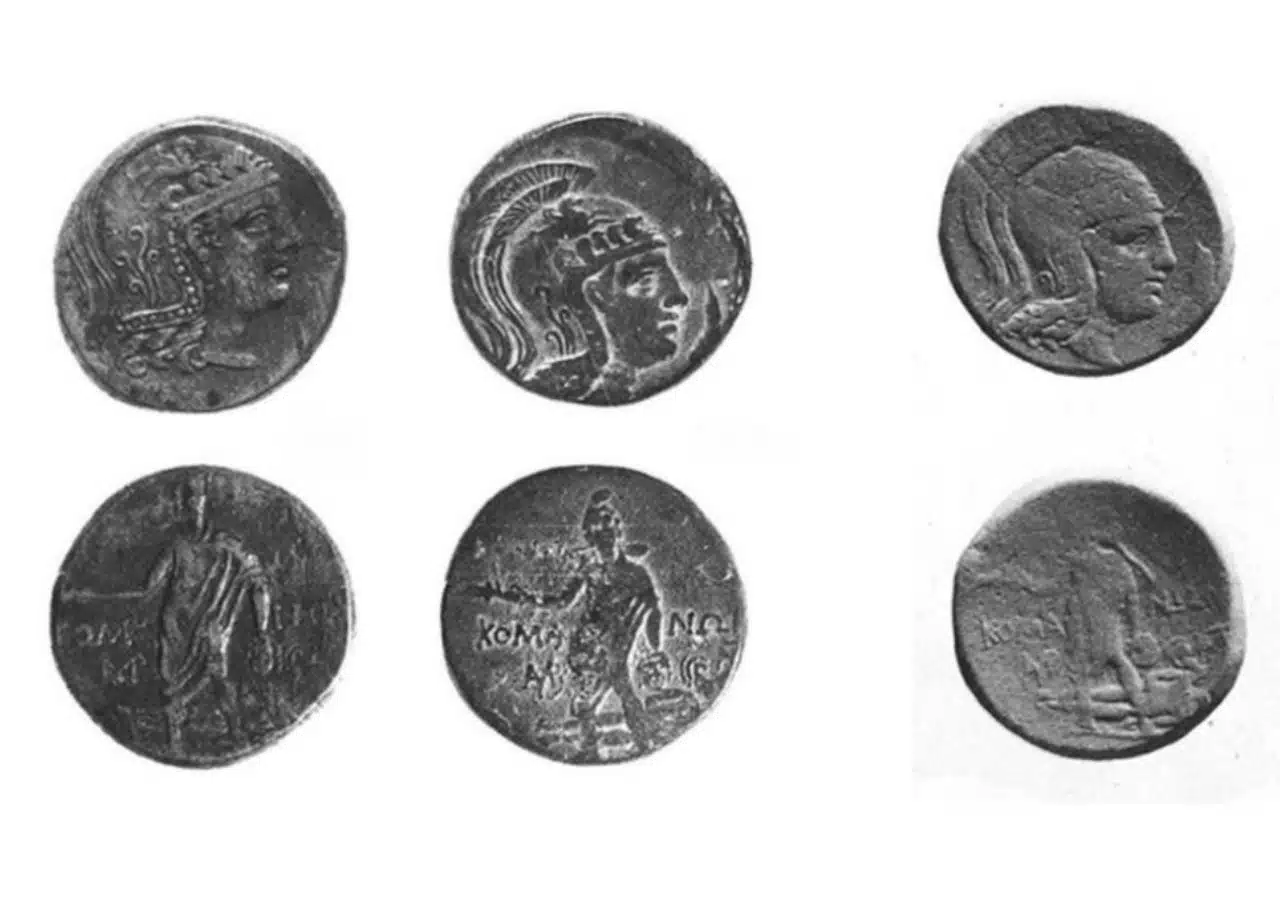
Ful examined coins minted at Kabeira, Komana, and Taulara, ancient settlements in what is now Tokat province in western Turkey. The study also examined archaeological objects preserved in regional museums.
The coins, dating from 120 to 63 B.C., featured two main designs. One showed the goddess Athena wearing a helmet alongside Perseus holding Medusa’s severed head. Another depicted Medusa’s face on a shield or protective garment, with Nike, the goddess of victory, on the reverse. Some coins also showed Medusa’s lifeless body behind Perseus.
A Political Message Against Rome
The study links the imagery to Mithradates VI’s efforts to resist Roman domination and gain support across Anatolia.
In Greek mythology, Perseus killed Medusa with the help of the gods and later used her severed head to turn enemies to stone. Ful argues that this story provided a powerful image for Mithradates’ political message, presenting victory over an apparently formidable opponent as possible.
Medusa was the only mortal among the three Gorgon sisters. Her gaze was believed to turn living creatures to stone, making her image both a warning to enemies and a symbol of protection.
From Coins to Tombs and Buildings
The study also traces Medusa imagery in the region beyond the period of Mithradates VI.
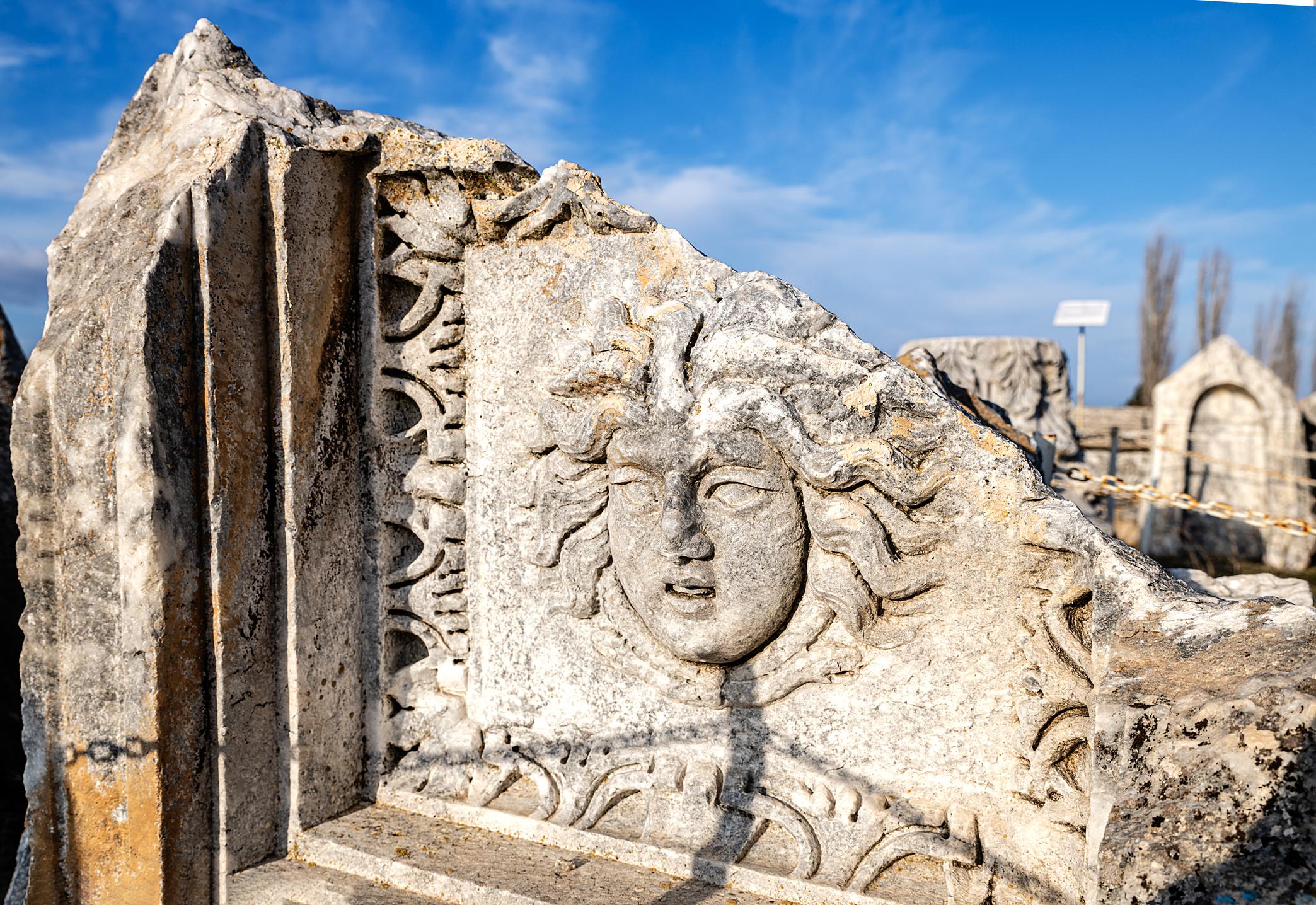
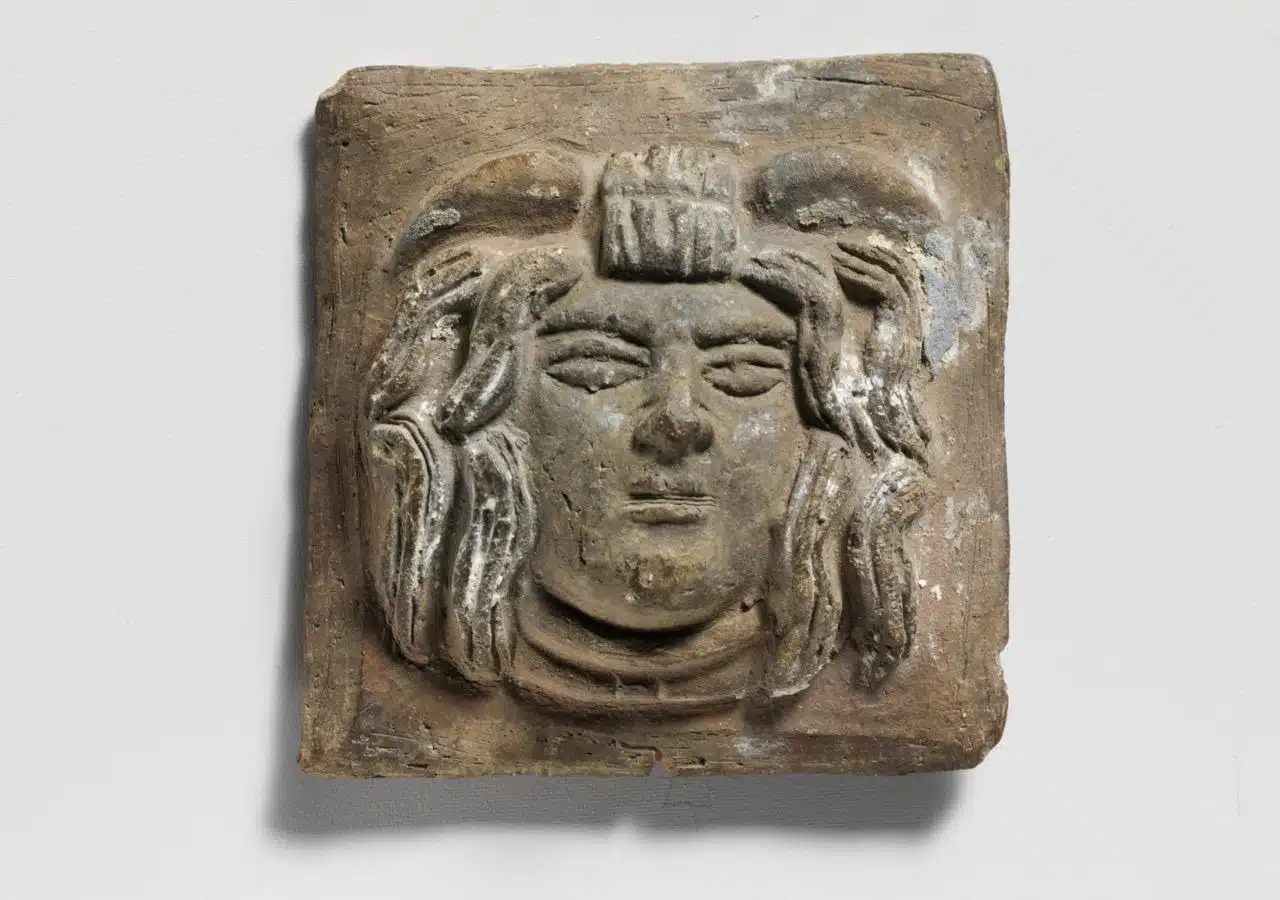
During the Roman era, her image appeared on building blocks, burial monuments, six terracotta plaques, and four bronze fittings examined by Ful. A terracotta plaque discovered in a Roman bath at Sebastopolis in 2017 depicts Medusa with wavy hair and small wings near her forehead.
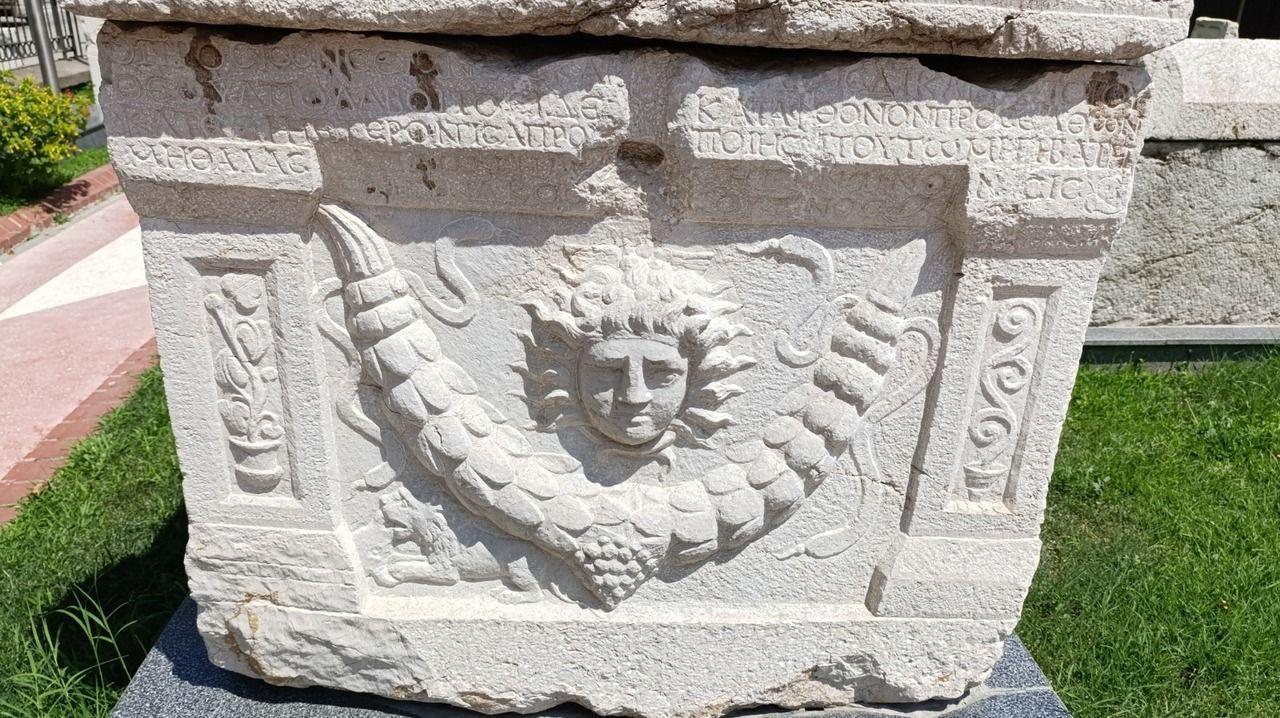
A stone grave marker found near Niksar in 1982, dating to the third or fourth century A.D., displays Medusa’s head above an inscription. A fragment of a marble coffin also features her image.
Researchers say such depictions were believed to protect burial sites from grave robbers and evil spirits. Some ancient traditions also associated Medusa with guiding the dead into the afterlife.
Small bronze discs featuring her image were used across the Roman world to decorate military equipment, horse harnesses, and furniture. However, the precise functions of the examples found in Tokat remain uncertain.
FYI
Medusa is one of the most recognizable figures in ancient Greek mythology. She was one of three Gorgon sisters, alongside Stheno and Euryale, but was the only one who could die. Her story became closely associated with Perseus, who used her severed head as a weapon.
The kingdom of Pontus was an ancient state in the Black Sea region of Anatolia. Under Mithradates VI, it became a major opponent of Roman expansion in the eastern Mediterranean. The study suggests that imagery on its coins formed part of the kingdom’s efforts to communicate power and military ambition.